




Lion Electric Reviews Q4, Overall 2022 Fiscal Outcomes
The Montreal-based electric vehicle company reported $46.8 million in revenue for the fourth quarter and overall annual revenue of $139.9 million, with more than 500 vehicles delivered.


Company officials reported net earnings of $17.8 million for the year, compared to a net loss of $43.3 million in 2021.
Image: Canva/Lion Electric
Lion Electric delivered 174 vehicles during the fourth quarter of 2022, including 139 school buses and 35 trucks, in the United States and Canada. That’s up from 71 units during the same period in 2021, and helps explain the boost in Q4 revenue to $46.8 million.
“We are pleased with our 2022 performance as, once again, despite external challenges, we delivered a record number of electric vehicles,” said Marc Bedard, founder and CEO of Lion.
The company also built its first electric school bus in the new manufacturing facility in Joliet, Ill., and produced the first battery pack at Lion’s battery manufacturing facility in Quebec.
“As we head into a new year, I would like to thank all our employees for their hard work and dedication,” Bedard said. “In 2023, we will continue to carefully manage liquidities while maintaining focus on investing capital and resources required to accelerate the efficient ramp-up of our production, with a view to optimize our manufacturing footprint and drive long-term growth and profitability.”
Highlights from the quarter include:
$39.1 million in capital expenditures, including costs related to the new facilities in Joliet and the battery plant in Quebec.
$21.3 million of intangible assets, primarily consisting of research and development activities.
Closed a public offering of units for gross proceeds of about $50 million.
Highlights from the overall year include:
Delivery of 519 vehicles, up from 323 in 2021.
$139.9 million in revenue, up $82.2 million from the previous fiscal year.
Net earnings of $17.8 million, compared to a net loss of $43.3 million in fiscal 2021.
In December 2022, the company delivered the first LionC zero-emission school bus built at the Joliet facility and funded by the U.S. Environmental Protection Agency’s Clean School Bus Program.
More Alternative Fuels
Bipartisan Bill Seeks to Extend Clean School Bus Program Through 2031
The proposed legislation would renew federal support for cleaner school buses as districts navigate funding uncertainty, rising fuel and infrastructure costs, and fleet replacement needs.
Read More →
Alt-Fuel Moves: Electric Bus Rollouts, Bidirectional Charging & Propane Growth
See which fleets are adding electric and propane school buses as districts and operators invest in charging infrastructure, bidirectional technology, and alternative-fuel expansion.
Read More →
Nobody Told Diesel Prices They Were Supposed to Come Down
With diesel prices surging, school bus fleets have new reason to stress-test fuel costs, consider diversification, and calculate what each route really costs to operate.
Read More →
Why Gasoline School Buses Are Making a Comeback
Gasoline is gaining ground in full-size school buses. See how today’s options stack up against diesel on cost, maintenance, emissions, performance, and more.
Read More →
EPA Opens $180M DERA Funding Round for Diesel Upgrades
The 2026 Diesel Emissions Reduction Act program seeks applications from eligible organizations to accelerate the retirement of legacy diesel vehicles.
Read More →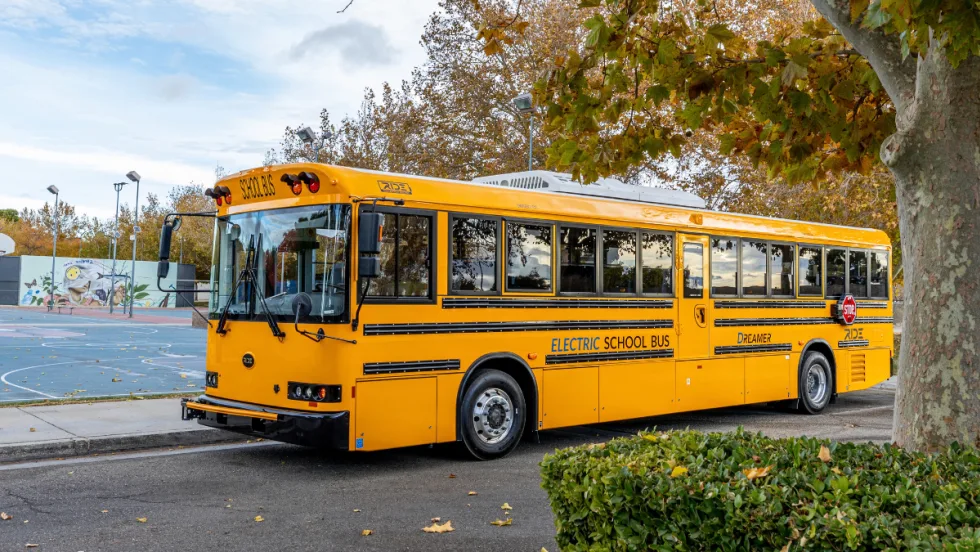
The Secret Life of an Electric School Bus Battery
Batteries change throughout years of daily routes, but degradation doesn’t necessarily mean the end. Here’s what operators should know about performance, safety, and second life.
Read More →
CALSTART and Forth Combine to Form Catalyst Mobility
The new name represents a renewed vision for the nonprofit focused on advancing clean, equitable, and affordable transportation solutions that move people and goods.
Read More →
Alt-Fuel Moves: New Buses, Charging Hubs & Real-World EV Testing
Propane and electric school bus deployments continue to grow as districts add new vehicles, expand charging infrastructure, and gather more real-world operating data.
Read More →
Fewer Electric School Bus Models Reshape the U.S. Market
WRI’s latest buyer’s guide points to a consolidating electric school bus market, but fewer options may reflect a maturing industry rather than fewer meaningful choices for school bus operators.
Read More →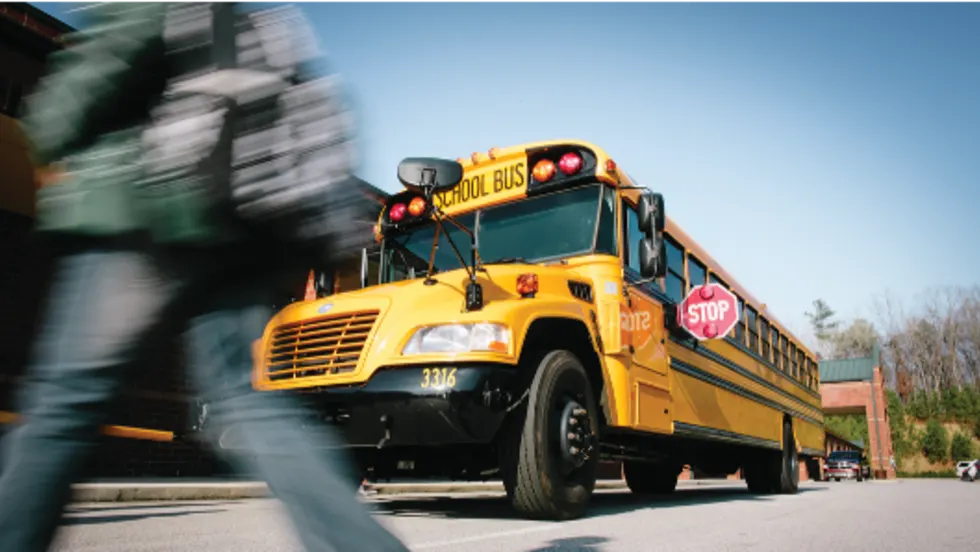
The Fuel Budget You Can Actually Predict: How Propane Autogas Keeps Money in the Classroom
Learn how propane autogas helps school districts manage fuel costs with predictable pricing, lower maintenance, and reduced emissions from former transportation director Joel Stutheit.
Read More →