





Get a Ride on The Route: Powering Up
Illinois Governor Aims to Build Prime EV Manufacturing State
Gov. JB Pritzker signed into law the Reimagining Electric Vehicles in Illinois Act to incentivize electric vehicle production across the state to help reach the administration’s goal of one million EVs on the road by 2030.
December 23, 2022

Gov. JB Pritzker wants to see one million electric vehicles on the road by 2030.
Photo: Canva/Illinois Governor's Office
3 min to read
The Reimagining Electric Vehicles in Illinois Act is now law in that state, providing incentives to build EV facilities, train Illinois graduates, and create thousands of jobs. The goal: to put one million electric vehicles on the road by 2030.
Earlier this year, Illinois saw the opening of Lion Electric’s new factory in Joliet. The first school bus rolled off that assembly line this fall.
Boosting EV Opportunities
The new law, which prioritizes underserved communities and communities affected by energy transitions, offers:
Tax credits for income tax withholding.
Training costs.
Tax exemptions.
Investment credits.
Property tax abatements for EV projects.
“By signing the Reimagining Electric Vehicles in Illinois Act into law, we’re making clear to the world that Illinois is open for business and on track to be the best place in the nation to manufacture and drive an electric vehicle,” Pritzker said. “It’s no secret that transportation is the leading source of climate pollution – so we’re incentivizing green economic development. It’s good for business – and it’s the right thing to do. The Reimagining Vehicles Act is about acknowledging there doesn’t need to be a trade-off between a cleaner environment and more jobs. We can do both, and today we take a giant leap forward in that quest.”
The credits range from 75 percent to 100 percent of income tax withheld for creating new jobs or 25 percent to 50 percent for retained employees, depending on various factors such as company location. The act incentivizes employers to locate their new facilities in communities that historically have been left out of investment.
Ready to Benefit
"Under Governor Pritzker's leadership, Illinois is taking bold action to address climate change and to make sure Illinoisans are prepared to capture the economic benefits of the rapidly growing electric vehicle industry," said Sylvia Garcia, acting director of the Illinois Department of Commerce and Economic Opportunity (DCEO). "The REV Illinois Program marks a major milestone for Illinois and will support the growth of our advanced manufacturing economy, expand skills training for workers, and drive new investment to areas of need so that more residents can be a part of the work to electrify and modernize our state."
Additional enhancements include a 20 percent price preference for EVs built in Illinois for state procurements and the creation of an EV Permitting Task Force to ensure permits for EV projects are streamlined. The legislation builds upon the administration's commitment to improving the state's infrastructure, by permitting the Illinois Department of Transportation (IDOT) to prioritize road projects that directly assist with locating an EV facility and the project's infrastructure needs.
Said Mark Denzler, president and CEO of the Illinois Manufacturers’ Association: “This law builds on our state’s proud history of auto manufacturing and positions Illinois to become a national leader in electric vehicle and battery production. These incentives will encourage economic investment, allowing us to keep and grow good-paying manufacturing jobs in an exciting and flourishing industry.”
“Illinois is on the precipice of being the electric vehicle hub of the Midwest and the country,” said State Rep. Michael Zalewski of Riverside.
More Alternative Fuels
Alt-Fuel Moves: Electric Bus Rollouts, Bidirectional Charging & Propane Growth
See which fleets are adding electric and propane school buses as districts and operators invest in charging infrastructure, bidirectional technology, and alternative-fuel expansion.
Read More →
Nobody Told Diesel Prices They Were Supposed to Come Down
With diesel prices surging, school bus fleets have new reason to stress-test fuel costs, consider diversification, and calculate what each route really costs to operate.
Read More →
Why Gasoline School Buses Are Making a Comeback
Gasoline is gaining ground in full-size school buses. See how today’s options stack up against diesel on cost, maintenance, emissions, performance, and more.
Read More →
EPA Opens $180M DERA Funding Round for Diesel Upgrades
The 2026 Diesel Emissions Reduction Act program seeks applications from eligible organizations to accelerate the retirement of legacy diesel vehicles.
Read More →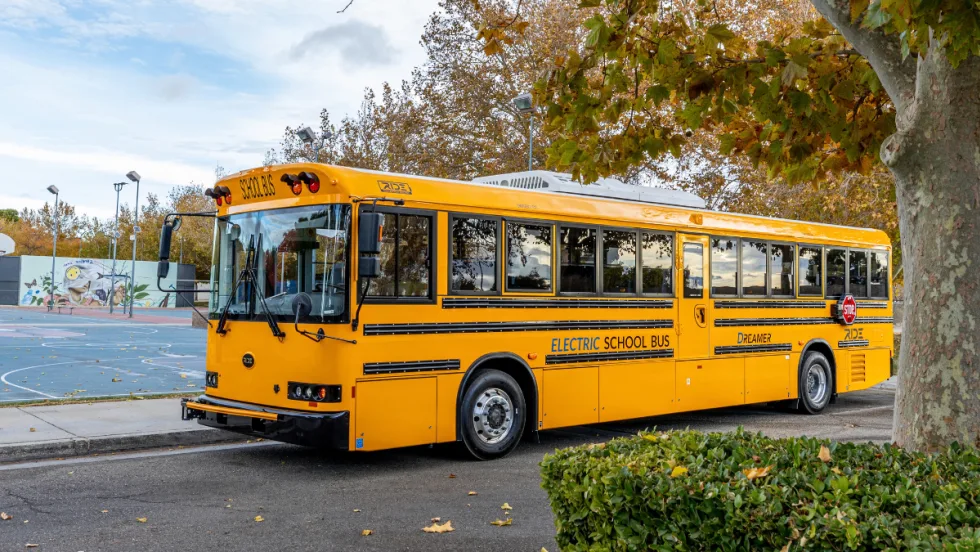
The Secret Life of an Electric School Bus Battery
Batteries change throughout years of daily routes, but degradation doesn’t necessarily mean the end. Here’s what operators should know about performance, safety, and second life.
Read More →
CALSTART and Forth Combine to Form Catalyst Mobility
The new name represents a renewed vision for the nonprofit focused on advancing clean, equitable, and affordable transportation solutions that move people and goods.
Read More →
Alt-Fuel Moves: New Buses, Charging Hubs & Real-World EV Testing
Propane and electric school bus deployments continue to grow as districts add new vehicles, expand charging infrastructure, and gather more real-world operating data.
Read More →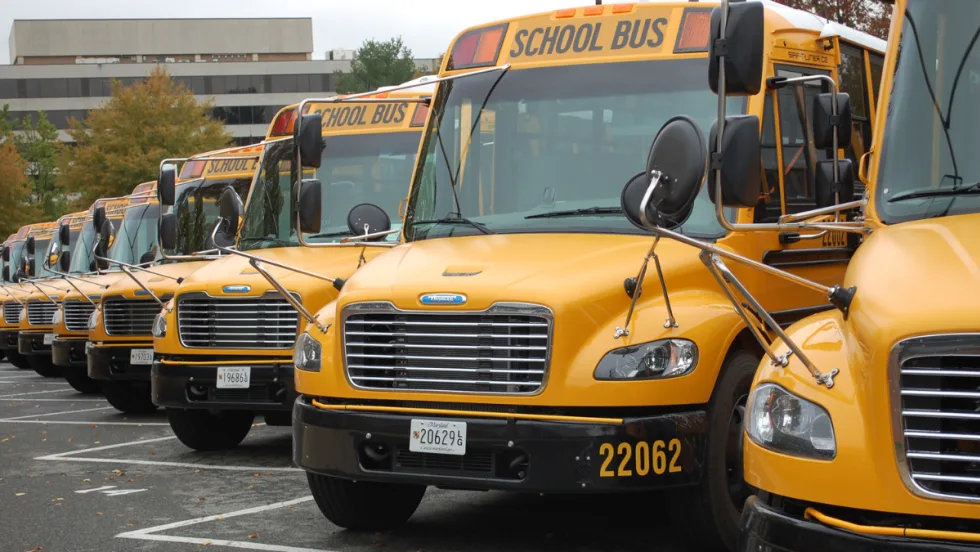
Fewer Electric School Bus Models Reshape the U.S. Market
WRI’s latest buyer’s guide points to a consolidating electric school bus market, but fewer options may reflect a maturing industry rather than fewer meaningful choices for school bus operators.
Read More →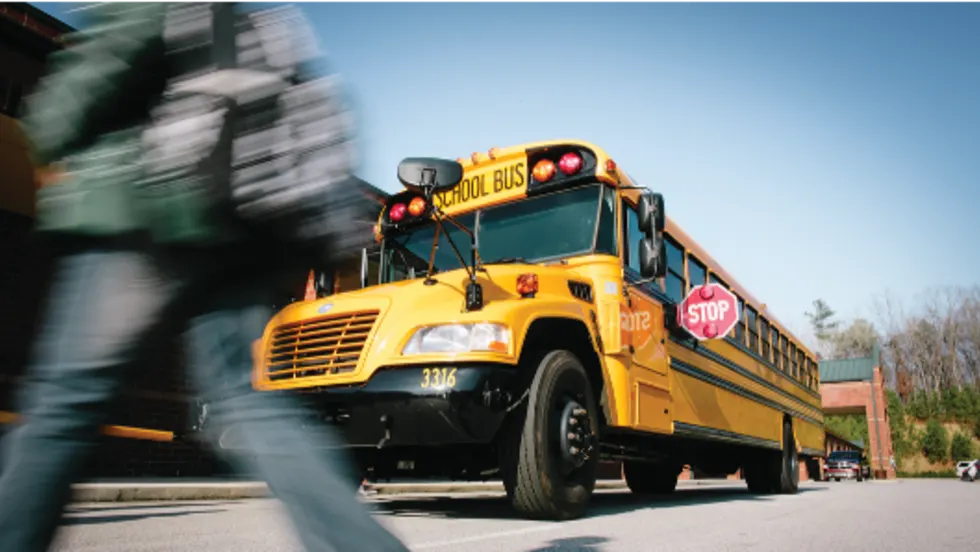
The Fuel Budget You Can Actually Predict: How Propane Autogas Keeps Money in the Classroom
Learn how propane autogas helps school districts manage fuel costs with predictable pricing, lower maintenance, and reduced emissions from former transportation director Joel Stutheit.
Read More →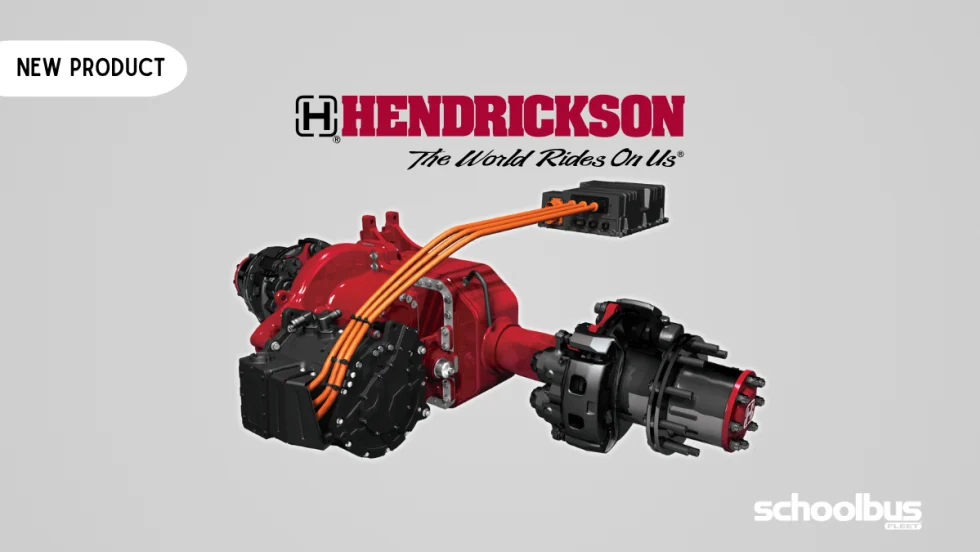
Hendrickson, Driventic Introduce New Electric Powertrain for School Buses
ELECTRAAX, the electrified, lightweight drive axle offers integrated ePowertrain efficiency and modular flexibility for Class 6–7 school bus use.
Read More →