





Did You Miss: 10 Highlights from Alt-Fuel School Transportation in 2023
EPA Inspector General Raises Clean School Bus Fraud Concerns
The Office of the Inspector General made several recommendations to improve the application process to ensure accuracy and veracity.
January 11, 2024
The EPA's Office of the Inspector General urged the agency to take steps to battle fraud and bolster supervision over third-party involvement in the application process.
Image: Canva
3 min to read
The Clean School Bus Program “is rife with potentially inaccurate information,” according to the Environmental Protection Agency’s Office of Inspector General.
“We also identified instances in which entities lacking student enrollments applied for and received funding, imperiling the program’s principle of equitable resource distribution,” wrote Jason Abend, assistant inspector general, in a memorandum issued Dec. 27, 2023. “A major challenge we identified is that the EPA’s lack of clear and established verification protocols for the application process allows applicants to self-certify their eligibility, which could lead to inaccurate information being submitted to the EPA.”
Issues with Complete and Verifiable School Bus Rebate Information
Currently, the way the statutory text governing the program is written, the inspector general’s office is concerned because applicants aren’t required to “expressly attest to the accuracy and truthfulness of their Clean School Bus applications.” The EPA also has no mechanism for verifying an applicant’s supplied information.
The memo gives examples of instances, such as:
A 2022 rebate recipient sought funding for buses that would serve “an administrative entity with zero students.” That entity was awarded funding by the EPA.
Rebate applicants were selected for awards but hadn’t cleared the plan through the eligible school district. The districts later declined the awards. “Total withdrawals from the 2022 Clean School Bus rebates, including those school districts that withdrew because a contractor applied without their consent or knowledge, were in excess of $38 million,” the memo stated.
In one case, the office had to conduct a six-month investigation – including interviews, surveillance, and subpoenas – to gather information that should’ve been in an application, including the identity of a contractor applicant.
What Comes Next for the Clean School Bus Program?
The EPA is currently accepting applications for the latest rebate funding round, with a deadline on Jan. 31. This week, the agency announced funding for the first round of Clean School Bus Program grants.
“Although we have not yet finished our review of the 2023 Clean School Bus rebate program, as it is still open for applications, our findings likely have applicability to this program as well, given its similarities to the 2022 rebate and 2023 grant programs,” the memo stated.
The office recommended improvement measures, including:
Require applicants to provide supporting documentation.
Establish a validation regimen.
Require recipients to maintain a documentation archive.
Highlight criminal penalties and require signed certifications.
Require notarized attestations and certifications.
Increase oversight of third-party vendors.
“By implementing these measures, the EPA will bolster the efficacy of federal award administration, enhance the authenticity of award applications, and elevate the integrity of the Clean School Bus Program,” the memo stated. “This proactive stance will serve the program’s envisioned goals of environmental enhancement, public health fortification, and economic advancement, while concurrently mitigating potential fraud, waste, abuse, or mismanagement of federal resources.”
More Alternative Fuels

CALSTART and Forth Combine to Form Catalyst Mobility
The new name represents a renewed vision for the nonprofit focused on advancing clean, equitable, and affordable transportation solutions that move people and goods.
Read More →
Alt-Fuel Moves: New Buses, Charging Hubs & Real-World EV Testing
Propane and electric school bus deployments continue to grow as districts add new vehicles, expand charging infrastructure, and gather more real-world operating data.
Read More →
Fewer Electric School Bus Models Reshape the U.S. Market
WRI’s latest buyer’s guide points to a consolidating electric school bus market, but fewer options may reflect a maturing industry rather than fewer meaningful choices for school bus operators.
Read More →
The Fuel Budget You Can Actually Predict: How Propane Autogas Keeps Money in the Classroom
Learn how propane autogas helps school districts manage fuel costs with predictable pricing, lower maintenance, and reduced emissions from former transportation director Joel Stutheit.
Read More →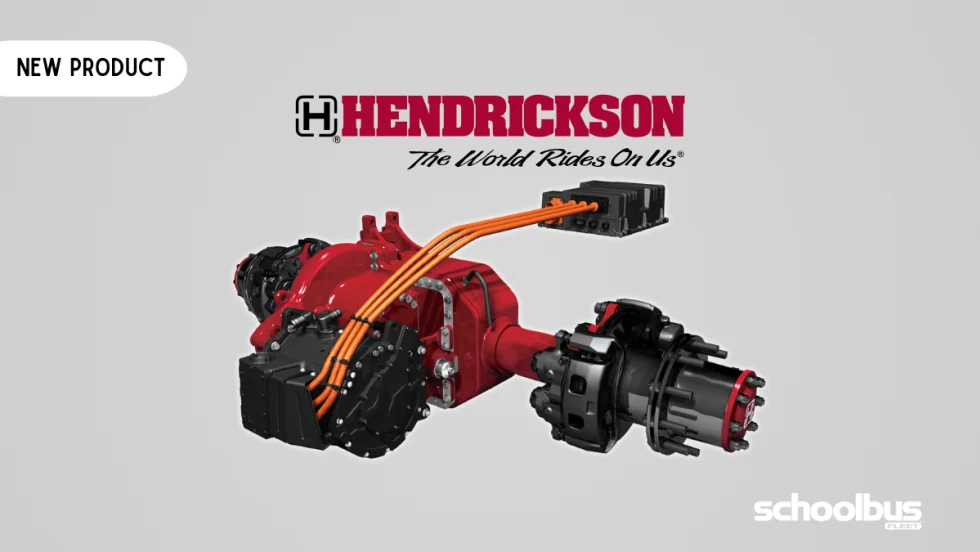
Hendrickson, Driventic Introduce New Electric Powertrain for School Buses
ELECTRAAX, the electrified, lightweight drive axle offers integrated ePowertrain efficiency and modular flexibility for Class 6–7 school bus use.
Read More →
The Mobility House Joins PowerFlex in Fleet Electrification Deal
The acquisition combines intelligent charging software, bidirectional charging expertise, and fleet electrification services to support the growing adoption of electric school buses across North America.
Read More →
Alt-Fuel Moves: Electric School Bus Investments Hit the Road
See which districts across the U.S. are putting electric school buses into service, expanding charging infrastructure, and planning the next phase of fleet electrification.
Read More →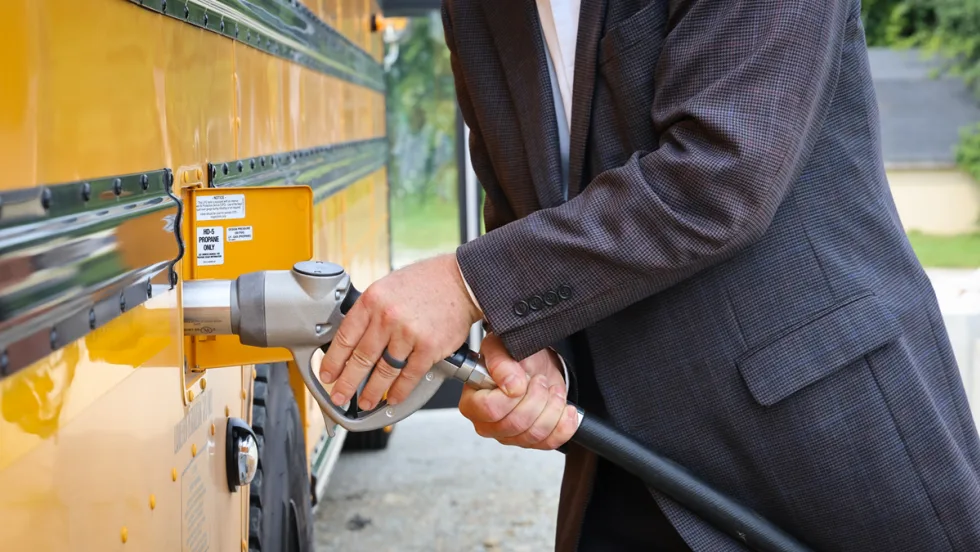
With Fuel Volatility Ahead, School Districts Turn to Propane
While diesel prices peaked above $5 this spring, districts with propane autogas-powered fleets paid under $2 per gallon, according to PERC.
Read More →
EPA Unveils Proposed Changes to 2027 Heavy-Duty Engine Rules
The federal agency has proposed changes to next year’s targets that would eliminate DEF derates, ease warranty requirements, and retain current NOx emissions standards.
Read More →
Alt-Fuel Moves: EV Charging & Infrastructure Projects Gain Momentum
The latest developments include new funding, charging infrastructure, utility investments, and fleet technologies designed to support the transition to electric school buses nationwide.
Read More →