




Clean Heavy-Duty Vehicle Grants Program Now Open
Applicants have until July 25 to submit packages to be eligible to receive part of the $932 million the U.S. Environmental Protection Agency expects to award recipients.

The EPA Clean Heavy-Duty Vehicles Grants Program allocates $1 billion to replace non-zero-emission Class 6/7 vehicles. With tailored sub-programs and a focus on environmental justice, it aims to combat climate change and improve air quality.
Source: Canva
Ready for the next round of U.S. Environmental Protection Agency funding for greener school bus fleets? The Notice of Funding Opportunity for the recently announced Clean Heavy-Duty Vehicles Grants program is now open for applicants.
The program, part of the broader effort to mitigate the environmental impact of heavy-duty vehicles like school buses, addresses an identified need to curb harmful emissions from non-zero-emission vehicles.
Overview of the EPA Clean Heavy-Duty Vehicle Grants Program
Enacted as Section 132 of the Clean Air Act, this program allocates a $1 billion budget, empowering eligible entities to replace existing non-zero-emission Class 6 or Class 7 heavy-duty vehicles with their zero-emission counterparts. This strategic shift toward zero-emission (ZE) vehicles aligns with global efforts to combat climate change and improve air quality, particularly in communities disproportionately burdened by pollution and historical underinvestment.
The program is structured into two distinct sub-programs—the School Bus Sub-Program and the Vocational Vehicles Sub-Program. It provides tailored support for replacing school buses and non-school bus Class 6/7 vehicles, respectively.
Central to the program's ethos is prioritizing projects that serve disadvantaged communities and demonstrate resilience to climate change impacts. At least $400 million of the funding pool is earmarked for projects targeting areas failing to meet the National Ambient Air Quality Standards (NAAQS). Furthermore, the competitive grant process evaluates applications based on predetermined criteria, emphasizing the potential impact on disadvantaged communities, climate resilience, sustainability, and workforce development.
To maximize the program's reach and efficacy, extensive stakeholder engagement and educational initiatives are underway. These efforts aim to empower potential applicants with the necessary knowledge and resources to navigate the application process effectively and understand the benefits of transitioning to zero-emission vehicles.
Environmental Impacts of the Transportation Sector
The transportation sector in the United States heavily relies on more than 3 million Class 6 and Class 7 vehicles, ranging from school buses to delivery trucks, predominantly powered by internal combustion engines (ICE), according to the EPA. These vehicles, operating for decades, emit harmful pollutants such as nitrogen oxides (NOx), fine particulate matter (PM2.5), and greenhouse gases, contributing significantly to air pollution and greenhouse gas emissions. Despite constituting only 10% of vehicles, they account for a disproportionate 23% of greenhouse gas emissions, 34% of NOx emissions, and 22% of PM2.5 emissions in the transportation sector, exacerbating health issues, particularly in vulnerable communities.
Under the CHDV Grants program, eligible activities include replacing ICE vehicles with zero-emission vehicles, establishing infrastructure for charging/fueling ZE vehicles, and providing workforce training. Additionally, program priorities include serving disadvantaged communities, ensuring project sustainability, and promoting workforce development. Applications will be evaluated based on their ability to address these priorities and demonstrate long-term emission reduction strategies.
Outputs and Outcomes in the EPA Program
Outputs represent measurable activities and work products produced during the funding period, while outcomes denote the results or consequences of environmental programs. Key outputs and outcomes include:
Outputs:
Replacement of vehicles, specifying the number and type replaced.
Installation of electric vehicle charging infrastructure.
Development of workforce training plans and the number of trained personnel.
Engagement with affected communities and establishment of community input mechanisms.
Implementation of cleaner vehicle contract specifications and reduction of idling hours.
Dissemination of project information via various platforms.
Outcomes:
Improved ambient air quality in communities where vehicles operate.
Reduction of greenhouse gas and criteria pollutant emissions.
Expansion of charging and refueling infrastructure for zero-emission vehicles.
Increased use of zero-emission vehicles by drivers and passengers.
Establishment of workforce training programs for zero-emission vehicles.
Benefits to affected communities, including health and environmental improvements, economic benefits, and social welfare enhancements.
Increased community engagement and awareness of air pollution reduction initiatives and zero-emission vehicle adoption.
Health improvements such as reduced asthma rates and changes in driver behavior towards electric vehicle efficiency.
Enhanced understanding of technology effectiveness and increased public awareness of project results.
Widespread adoption of zero-emission heavy-duty vehicles and increased domestic manufacturing and workforce capacity to support them.
What School Districts Can Expect
The timeline for the CHDV grant process goes as follows:
April 24: Funding opportunity opens.
April 30: Information session.
July 8: Final date to submit questions.
July 25: Application deadline.
November 2024: Anticipated notification of selection.
December 2024: Anticipated awards.
The EPA allocates funding for new vehicles based on a percentage of the vehicle's price, with specified caps per vehicle type. While applicants typically cover the remaining costs, territory and Tribal applicants are exempt from cost sharing but still subject to caps. This funding encompasses both vehicle and infrastructure expenses. Notable details include:
Battery-Electric Vehicles (BEVs):
EPA covers 75% of the vehicle price.
The funding cap varies by vehicle type; for instance, it's $280,000 for a standard battery-electric school bus. ADA-compliant school buses qualify for an additional $20,000, elevating the total cap to $300,000.
Example:
Consider the case of procuring a battery-electric school bus. Should an applicant seek to replace one, they could receive funding up to $300,000, with EPA covering 75% of the vehicle cost.
Voluntary cost sharing allows applicants to commit additional support beyond mandatory shares. EPA evaluates voluntary cost shares similarly to mandatory ones. Applicants must include these costs in the project budget. Legally, recipients must fulfill proposed voluntary shares; failure may prompt EPA to reassess the award.
Applicants must meet threshold eligibility criteria to be considered for funding. Here are the key points aimed at school transportation professionals:
Application Submission:
Applications must adhere to submission instructions in Section IV.
The EPA will not review pages exceeding the 15-page limit, emphasizing readability.
Submissions must be made through Grants.gov before the specified deadline. Technical issues must be reported to Grants.gov and emailed to cleanhdvehicles@epa.gov.
Exceptions for non-Grants.gov submissions are rare and subject to stringent conditions.
Strategic Alignment:
Applications must align with EPA’s Strategic Plan, particularly Goal 1: “Tackle the Climate Crisis,” and Objective 1.1: “Reduce Emissions that Cause Climate Change.”
Sub-Program Applications:
Applicants replacing school buses must apply under the School Bus Sub-Program.
Applicants replacing other eligible Class 6/7 vehicles must apply under the Vocational Vehicles Sub-Program.
Separate applications are required for distinct projects under each Sub-Program.
Vehicle Minimums:
School Bus Sub-Program applicants must request a minimum of 10 zero-emission school buses.
Vocational Vehicles Sub-Program applicants must request a minimum of three zero-emission heavy-duty vehicles. Tribal and territory applicants have no vehicle minimums.
Submission Limits:
Only one application per Sub-Program is permitted.
The EPA will contact applicants submitting multiple applications to determine withdrawals or review the last version submitted.
EPA Region Identification:
Applicants must designate one EPA Region based on the proposed project’s location.
For long-distance fleets, justification for the selected Region is required.
Ineligible Activities, Vehicles, and Costs:
Applications including ineligible tasks may render the entire application ineligible for funding.
More Alternative Fuels

CALSTART and Forth Combine to Form Catalyst Mobility
The new name represents a renewed vision for the nonprofit focused on advancing clean, equitable, and affordable transportation solutions that move people and goods.
Read More →
Alt-Fuel Moves: New Buses, Charging Hubs & Real-World EV Testing
Propane and electric school bus deployments continue to grow as districts add new vehicles, expand charging infrastructure, and gather more real-world operating data.
Read More →
Fewer Electric School Bus Models Reshape the U.S. Market
WRI’s latest buyer’s guide points to a consolidating electric school bus market, but fewer options may reflect a maturing industry rather than fewer meaningful choices for school bus operators.
Read More →
The Fuel Budget You Can Actually Predict: How Propane Autogas Keeps Money in the Classroom
Learn how propane autogas helps school districts manage fuel costs with predictable pricing, lower maintenance, and reduced emissions from former transportation director Joel Stutheit.
Read More →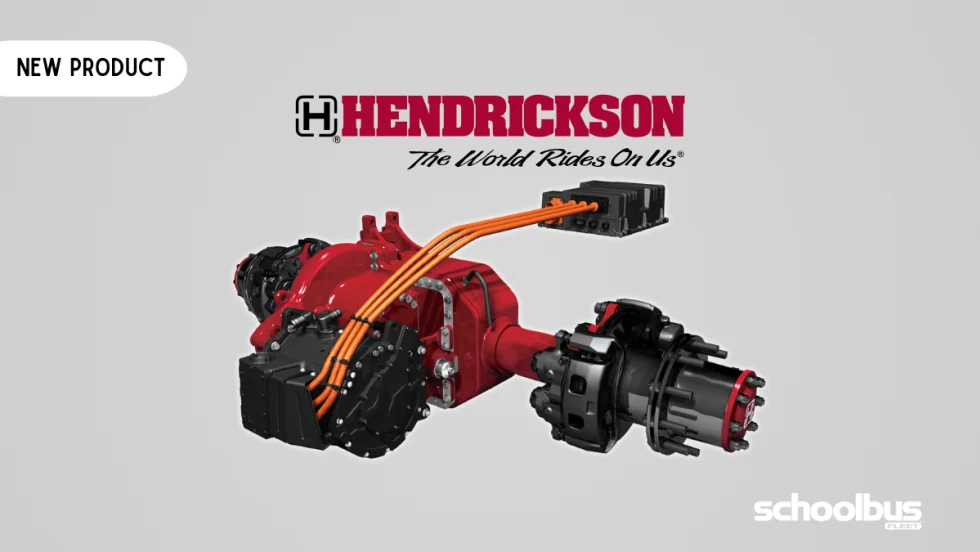
Hendrickson, Driventic Introduce New Electric Powertrain for School Buses
ELECTRAAX, the electrified, lightweight drive axle offers integrated ePowertrain efficiency and modular flexibility for Class 6–7 school bus use.
Read More →
The Mobility House Joins PowerFlex in Fleet Electrification Deal
The acquisition combines intelligent charging software, bidirectional charging expertise, and fleet electrification services to support the growing adoption of electric school buses across North America.
Read More →
Alt-Fuel Moves: Electric School Bus Investments Hit the Road
See which districts across the U.S. are putting electric school buses into service, expanding charging infrastructure, and planning the next phase of fleet electrification.
Read More →
With Fuel Volatility Ahead, School Districts Turn to Propane
While diesel prices peaked above $5 this spring, districts with propane autogas-powered fleets paid under $2 per gallon, according to PERC.
Read More →
EPA Unveils Proposed Changes to 2027 Heavy-Duty Engine Rules
The federal agency has proposed changes to next year’s targets that would eliminate DEF derates, ease warranty requirements, and retain current NOx emissions standards.
Read More →
Alt-Fuel Moves: EV Charging & Infrastructure Projects Gain Momentum
The latest developments include new funding, charging infrastructure, utility investments, and fleet technologies designed to support the transition to electric school buses nationwide.
Read More →