





Don't Miss: EPA Announces 2024 Clean Heavy-Duty Vehicles Grant Program
3 Takeaways from First Student’s 3-Million Mile Achievement
First Student surpasses 3M miles on electric buses, accelerating towards a sustainable future in student transportation. CEO highlights broader benefits for communities and advocates for cleaner, safer rides.
April 16, 2024

First Student has deployed more than 330 electric buses to school districts across North America. With an additional 1,108 electric buses approved to be ordered, First Student's fleet is expected to grow to over 1,400 total vehicles by the end of this year.
Source: Canva
2 min to read
School transportation provider First Student has now surpassed 3 million miles driven on electric buses, just eight months after the company reported hitting the 2-million mile mark with its growing EV school bus fleet.
"Three million electric miles driven is an astounding achievement, and it is also just the beginning of a brighter, cleaner, safer future for the students we serve," First Student CEO John Kenning said in a news release. "This is a proud day for our team, not just as the largest provider of school transportation in North America and the leaders in zero emission school buses, but because of what it means for so many communities now and in the coming years. To help students reach their full potential, we need to help districts deploy quieter buses, create safer rides, and deliver cleaner air not tomorrow but today, and that's just what today's announcement represents."
Three major takeaways from this accomplishment include:
Significant EV School Transportation Achievement
Surpassing 3 million miles driven on electric school buses is a significant achievement for First Student, showcasing their commitment to sustainability and innovation in student transportation. It demonstrates leadership in electrified student transportation within North America. This milestone reflects not only the scale of their operations but also their rapid progress in transitioning towards cleaner, more environmentally friendly transportation solutions.
Contractor Fleet’s Impact on Communities and Environment
The deployment of electric school buses by First Student signifies tangible benefits for communities, schools, and the environment. By replacing traditional diesel buses with electric ones, they are contributing to cleaner air and reducing greenhouse gas emissions, ultimately creating safer and healthier environments for students and communities. The reduction of carbon emissions by 75,600,000 tons through the deployment of electric buses highlights the substantial environmental impact of their initiative.
First Student’s Collaboration and Advocacy for Sustainability
First Student's involvement in initiatives like the EPA's Clean School Bus Program illustrates their commitment to collaboration and advocacy for sustainability. By actively assisting school districts in applying for funding and securing substantial amounts themselves, they are facilitating the broader adoption of electric school buses. Their leadership in securing significant grants and funds underscores their dedication to driving positive change in student transportation and promoting the transition to zero-emission vehicles on a larger scale.
More Alternative Fuels
Bipartisan Bill Seeks to Extend Clean School Bus Program Through 2031
The proposed legislation would renew federal support for cleaner school buses as districts navigate funding uncertainty, rising fuel and infrastructure costs, and fleet replacement needs.
Read More →
Alt-Fuel Moves: Electric Bus Rollouts, Bidirectional Charging & Propane Growth
See which fleets are adding electric and propane school buses as districts and operators invest in charging infrastructure, bidirectional technology, and alternative-fuel expansion.
Read More →
Nobody Told Diesel Prices They Were Supposed to Come Down
With diesel prices surging, school bus fleets have new reason to stress-test fuel costs, consider diversification, and calculate what each route really costs to operate.
Read More →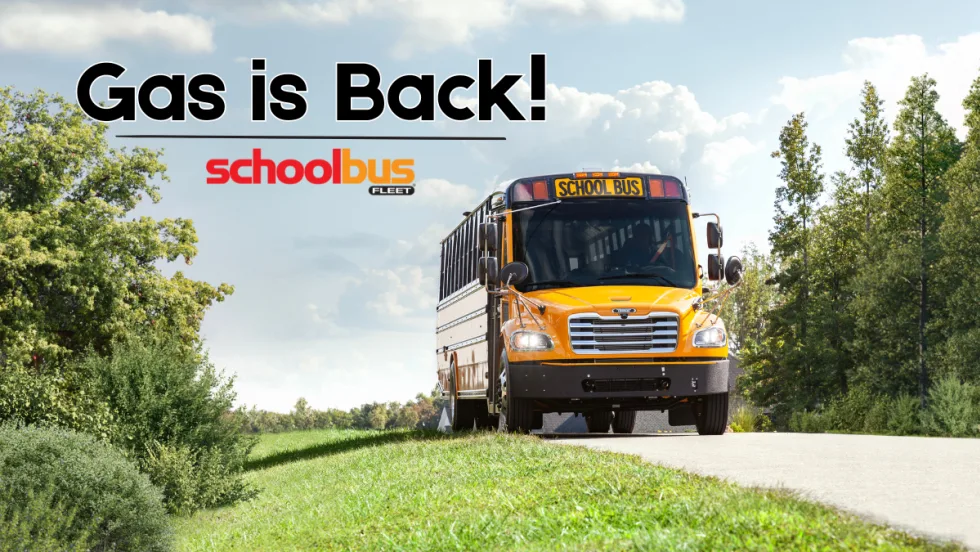
Why Gasoline School Buses Are Making a Comeback
Gasoline is gaining ground in full-size school buses. See how today’s options stack up against diesel on cost, maintenance, emissions, performance, and more.
Read More →
EPA Opens $180M DERA Funding Round for Diesel Upgrades
The 2026 Diesel Emissions Reduction Act program seeks applications from eligible organizations to accelerate the retirement of legacy diesel vehicles.
Read More →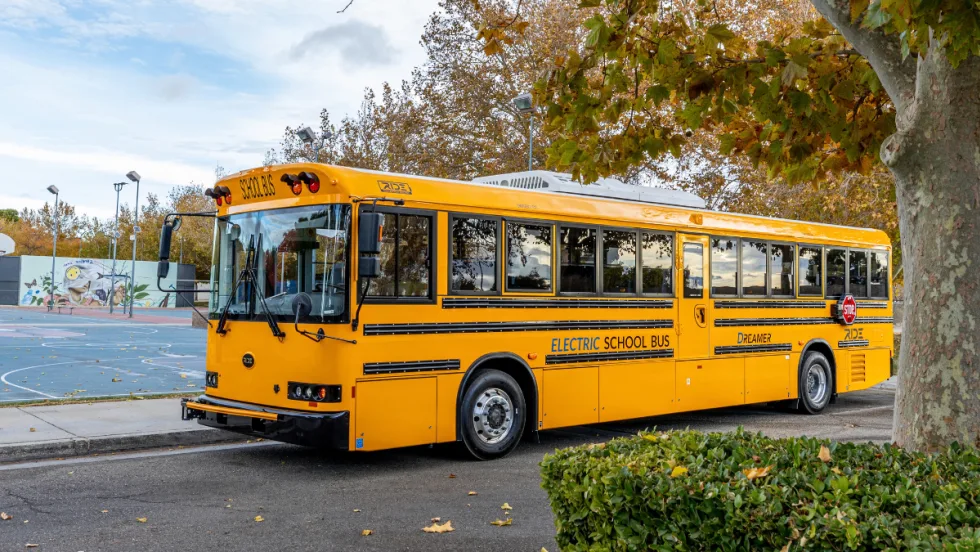
The Secret Life of an Electric School Bus Battery
Batteries change throughout years of daily routes, but degradation doesn’t necessarily mean the end. Here’s what operators should know about performance, safety, and second life.
Read More →
CALSTART and Forth Combine to Form Catalyst Mobility
The new name represents a renewed vision for the nonprofit focused on advancing clean, equitable, and affordable transportation solutions that move people and goods.
Read More →
Alt-Fuel Moves: New Buses, Charging Hubs & Real-World EV Testing
Propane and electric school bus deployments continue to grow as districts add new vehicles, expand charging infrastructure, and gather more real-world operating data.
Read More →
Fewer Electric School Bus Models Reshape the U.S. Market
WRI’s latest buyer’s guide points to a consolidating electric school bus market, but fewer options may reflect a maturing industry rather than fewer meaningful choices for school bus operators.
Read More →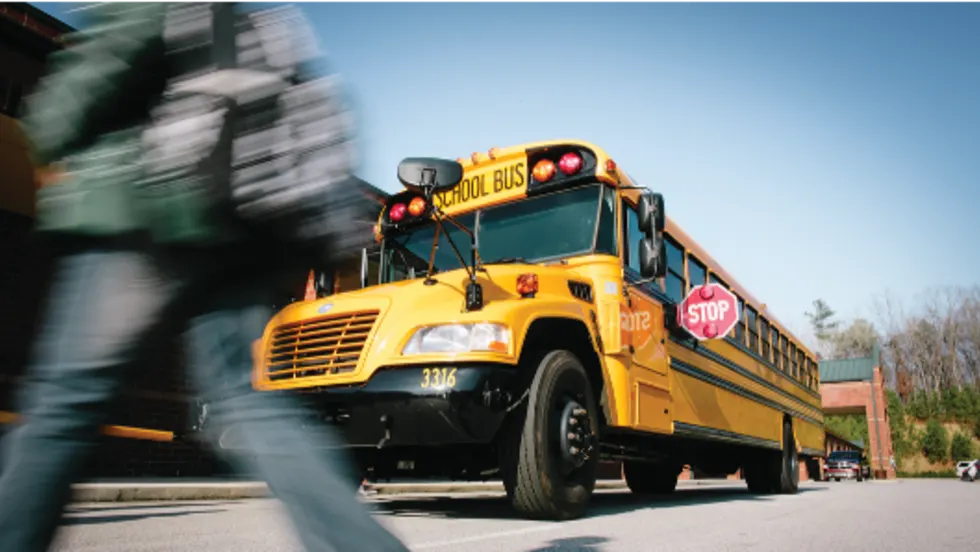
The Fuel Budget You Can Actually Predict: How Propane Autogas Keeps Money in the Classroom
Learn how propane autogas helps school districts manage fuel costs with predictable pricing, lower maintenance, and reduced emissions from former transportation director Joel Stutheit.
Read More →