





Program in Action: Athens City Schools First in Tennessee to Receive Thomas Built Electric Buses
2024 Clean School Bus Rebate Applications Now Open
The EPA's latest round of Clean School Bus Rebate Program applications are open as of Sept. 26 and close Jan. 9, 2025. This year, with expanded funds of $365M for school districts.
September 26, 2024

This year, the max number of buses per application is increasing to 50. Both zero emission buses and those using propane or CNG are eligible.
Photo: EPA/Canva
2 min to read
Editor's Note: On January 7, 2025, the EPA announced an extension to the 2024 Rebate. All applications for the 2024 CSB Rebate Program must now be submitted by 4 p.m. ET on January 14, 2025.
This morning, Sept. 26, the U.S. Environmental Protection Agency (EPA) announced that the 2024 Clean School Bus (CSB) Rebate Program application period is open.
This is the third round of funding thanks to the Bipartisan Infrastructure Law under the Biden-Harris administration’s Investing in America agenda.
Under the 2024 CSB program, up to $965 million in rebate funding is anticipated. The EPA notes there is "potential to modify this figure based on the application pool and other factors."
Also, this year, more buses will be funded. The EPA increased the maximum number of school buses per application from 25 to 50. Applicants can request up to $325,000 per bus per application. This is to "allow for more transformative projects."
Eligible applicants can apply to receive funding for the purchase of zero-emission (ZE) and/or propane or compressed natural gas, and the purchase and installation of ZE charging infrastructure for applicants requesting ZE buses.
Applicants may also use their rebate funds for workforce training, consulting costs for bus deployments, and bus warranty costs.
The EPA will provide additional funding per bus for ADA-compliant buses and for applicants not located in one of the lower 48 contiguous states to cover shipping costs.
2024 Clean School Bus Rebate Program applicants are due by Jan. 9, 2025, at 4 p.m. ET through the Applicant Dashboard.
A series of webinars will also be hosted on a variety of topics related to the rebate.
To date, the EPA has awarded almost $3 billion to fund approximately 8,700 school bus replacements — approximately 95% being zero-emission, battery-electric buses. Nearly 1,300 school districts in almost all 50 states and Washington D.C., along with several federally recognized tribes and U.S. territories, have received funds.
“Over the past three years, we’ve seen tremendous interest from schools across the country to upgrade to clean and zero-emission buses,” said EPA Administrator Michael S. Regan. “Thousands of new buses on the road mean our children are breathing cleaner air on their way to and from school, their communities are seeing cleaner air and less climate pollution, and schools are supporting good paying American jobs.”
More Alternative Fuels
Bipartisan Bill Seeks to Extend Clean School Bus Program Through 2031
The proposed legislation would renew federal support for cleaner school buses as districts navigate funding uncertainty, rising fuel and infrastructure costs, and fleet replacement needs.
Read More →
Alt-Fuel Moves: Electric Bus Rollouts, Bidirectional Charging & Propane Growth
See which fleets are adding electric and propane school buses as districts and operators invest in charging infrastructure, bidirectional technology, and alternative-fuel expansion.
Read More →
Nobody Told Diesel Prices They Were Supposed to Come Down
With diesel prices surging, school bus fleets have new reason to stress-test fuel costs, consider diversification, and calculate what each route really costs to operate.
Read More →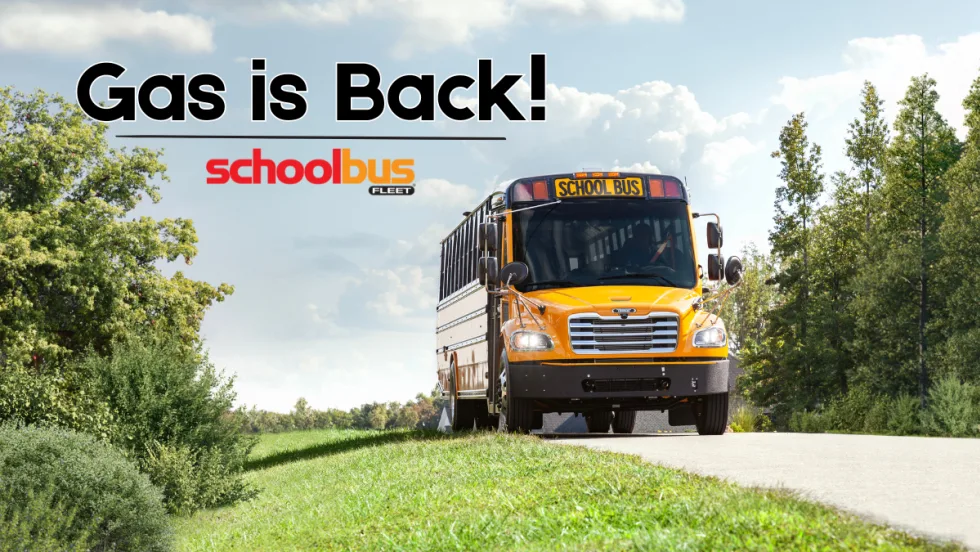
Why Gasoline School Buses Are Making a Comeback
Gasoline is gaining ground in full-size school buses. See how today’s options stack up against diesel on cost, maintenance, emissions, performance, and more.
Read More →
EPA Opens $180M DERA Funding Round for Diesel Upgrades
The 2026 Diesel Emissions Reduction Act program seeks applications from eligible organizations to accelerate the retirement of legacy diesel vehicles.
Read More →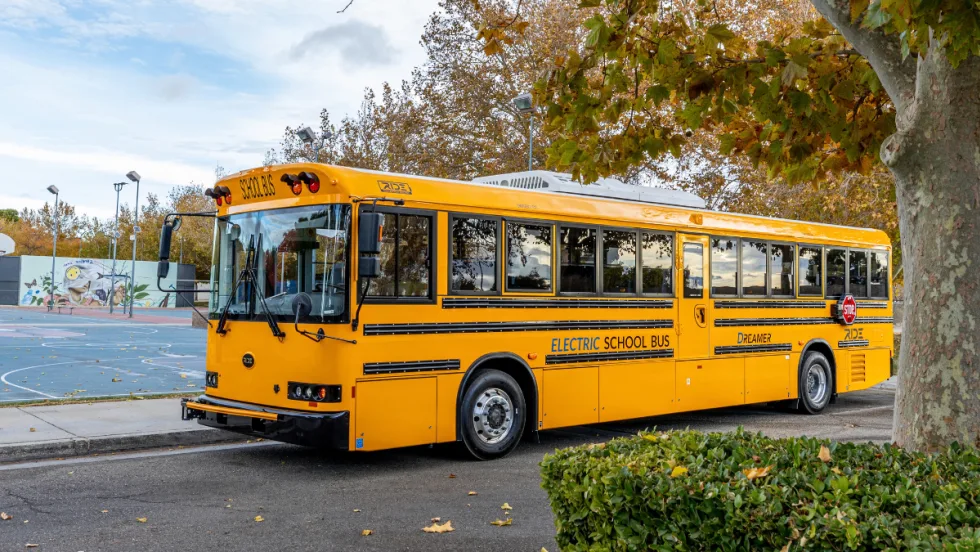
The Secret Life of an Electric School Bus Battery
Batteries change throughout years of daily routes, but degradation doesn’t necessarily mean the end. Here’s what operators should know about performance, safety, and second life.
Read More →
CALSTART and Forth Combine to Form Catalyst Mobility
The new name represents a renewed vision for the nonprofit focused on advancing clean, equitable, and affordable transportation solutions that move people and goods.
Read More →
Alt-Fuel Moves: New Buses, Charging Hubs & Real-World EV Testing
Propane and electric school bus deployments continue to grow as districts add new vehicles, expand charging infrastructure, and gather more real-world operating data.
Read More →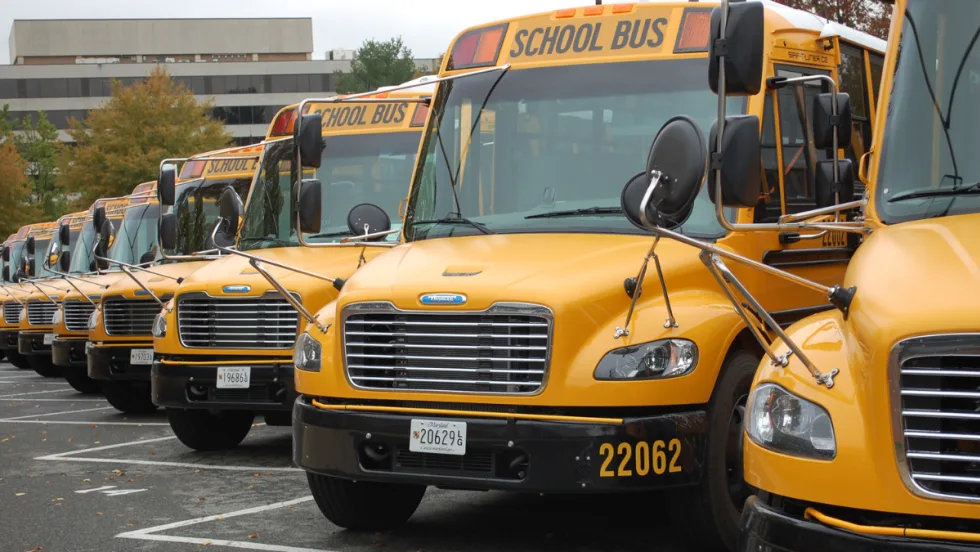
Fewer Electric School Bus Models Reshape the U.S. Market
WRI’s latest buyer’s guide points to a consolidating electric school bus market, but fewer options may reflect a maturing industry rather than fewer meaningful choices for school bus operators.
Read More →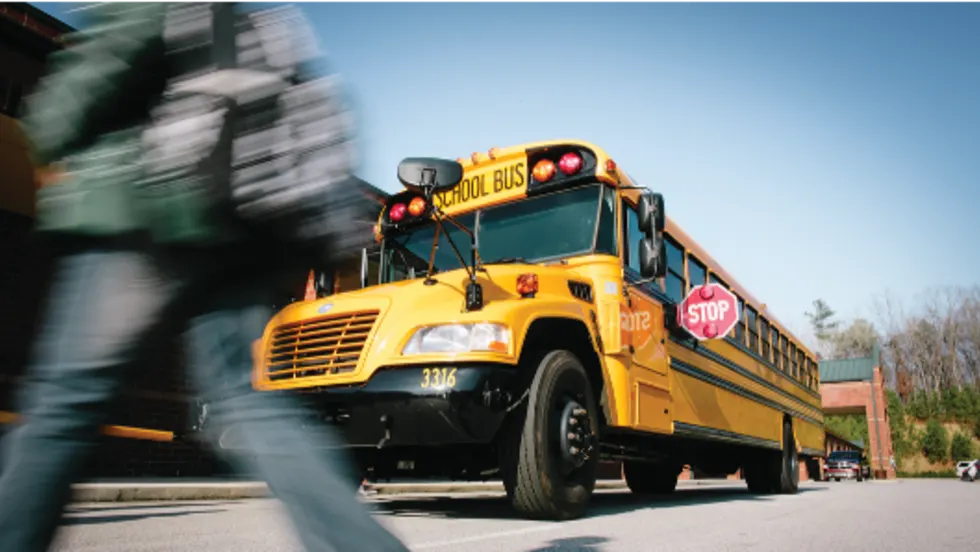
The Fuel Budget You Can Actually Predict: How Propane Autogas Keeps Money in the Classroom
Learn how propane autogas helps school districts manage fuel costs with predictable pricing, lower maintenance, and reduced emissions from former transportation director Joel Stutheit.
Read More →