





Check Out: Reaching Out - The Beneficial Electrification League's Rural District Initiative
What You Need to Know About the EPA's Clean School Bus Program
An Aug. 19 deadline awaits districts that want to take advantage of federal funding from the U.S. Environmental Protection Agency.
August 2, 2022
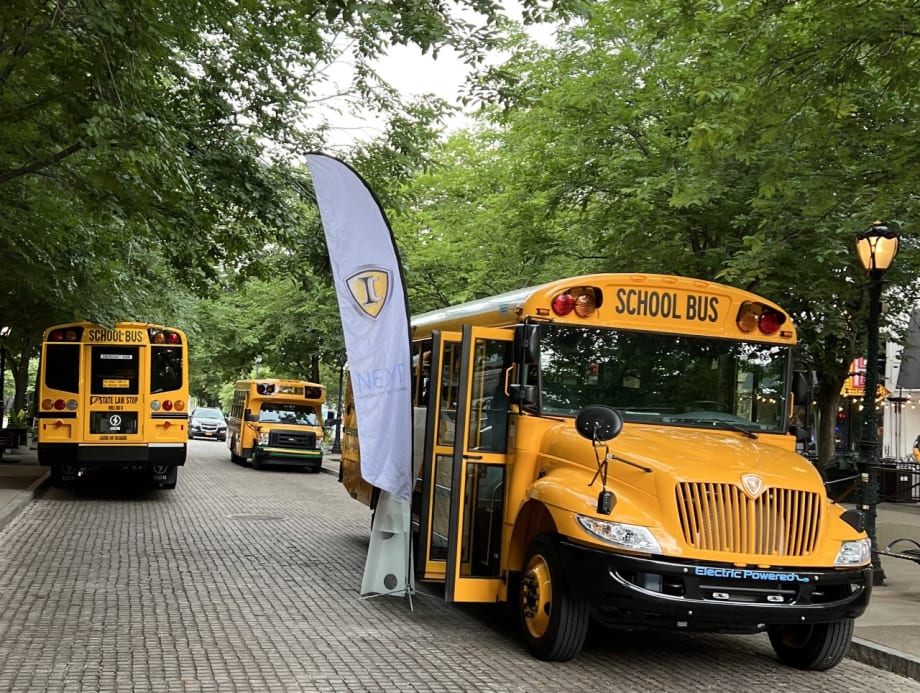
Some of the battery-electric school buses available for purchase under the EPA’s Clean School Bus Program were on display in Niagara Falls in July at the National School Transportation Association’s annual meeting and conference.
Photo: Wes Platt
5 min to read
The federal government launched a major initiative this year with billions of dollars of funding in the Bipartisan Infrastructure Law, and a decent chunk set aside for school districts to convert their internal combustion engine (ICE) fleets to battery-electric or propane and compressed natural gas drivetrains.
On Aug. 19, applications must be submitted for the first round of rebates that’ll be distributed through the Environmental Protection Agency’s Clean School Bus Program.
Applications submitted by the deadline go into a single ordered list using a random lottery process. The EPA will pick applicants until all funds are allocated from the Clean School Bus and Zero Emission halves of funding. If a district isn’t selected, it goes onto a waitlist. Selected applicants are expected to be notified within 60 days after the deadline.
After selection, applicants have about six months to submit a payment request form that includes purchase orders for new buses and eligible charging infrastructure. In many cases, the EPA reports, applicants should receive funds in advance of bus delivery. However, EPA officials have indicated that applicants are responsible for covering any costs that exceed their allocated funding amount.
School Bus Fleet is hosting two webinars in September focused on transitioning district fleets to electric buses.
What Qualifies as a Clean School Bus?
The EPA considers any school bus with a battery-electric, propane, or compressed natural gas (CNG) drivetrain to be “clean.” But for full funding under the zero-emission rebate guidelines, applicants must replace an older internal combustion engine bus with a model year 2021 or newer electric school bus.
Don’t look to this rebate program to replace vans used for pupil transportation, however. The EPA, for purposes of this program, defines a “school bus” as a passenger motor vehicle that can carry a driver and more than 10 passengers, with a gross vehicle weight rating (GVWR) of at least 10,001 pounds.
According to the World Resources Institute, school districts currently have 22 Type A, C, and D electric school bus models available to choose from through 12 manufacturers. Their research shows that Type A has the most selection, while Type C are the most commercially ready.
The EPA has concluded that school buses shouldn’t be covered by the Build America, Buy America Act (BABA), and sought an adjustment period waiver for charging infrastructure.
What Does the EPA Rebate Program Cover?
The Clean School Bus rebate program helps applicants purchase up to 25 new buses, along with some of the infrastructure needed for EV charging stations. Each new bus must replace an older existing ICE school bus that’s set to be retired from the fleet.
The maximum rebate amount per bus depends on the replacement bus fuel type, its size, and whether the school district meets one or more prioritization criteria. The funding range per bus is expected to run between $15,000 and $375,000.
Who Can Apply?
Eligible applicants under the EPA’s Clean School Bus program include:
School districts.
State governments.
Nonprofit school transportation associations.
Native American tribes or tribal organizations.
Bus dealers or organizations that arrange financing for bus purchases.
How Does Applicant Prioritization Work?
The Bipartisan Infrastructure Law funding the Clean School Bus Program allows the EPA to prioritize some applicants that seek funds for qualified school buses.
Districts are prioritized if they meet one or more of the following criteria:
High-need school districts or low-income areas, such as school districts listed in the 2020 Small Area Income and Poverty Estimates (SAIPE) as having 20% or more students living in poverty or school districts in the U.S. Virgin Islands, Guam, American Samoa, and the Commonwealth of the Northern Mariana Islands.
Rural districts, such as those categorized as “43-Rural: Remote” and “42-Rural: Distant” in the 2020-21 National Center for Education Statistics (NCES) data.
Bureau of Indian Affairs funded school districts.
School districts that get basic support payments under section 7703(b)(1) of Title 20 for children who reside on native land.
Public charter school districts aren’t included in the prioritization dataset, but they may be prioritized if they self-certify that 20% or more of their students are from low-income families.
Before You Apply for Clean School Bus Funding
When you’re ready to submit that application online, review the following checklist:
Make sure you’ve got an active SAM.gov entity registration with confirmed points of contact.
Compile all required data.
Ensure your browser meets or exceeds the following versions: Chrome 38, Safari 7.1, Internet Explorer 11, or Firefox 13.
Keeping the Funding Clean
What are the best ways to mitigate risks of fraud, waste, and abuse of Clean School Bus funds? According to the EPA’s Office of the Inspector General, funding recipients should:
Segregate EPA money from other budget accounts.
Use the funds only for their intended purpose.
Visit sites and inspect work and backup documentation.
Ask questions.
Report issues.
Faye Swift, a member of the DERA Program Grants and Policy Team, told viewers of a July webinar that grant recipients working with partners such as dealers or original equipment manufacturers (OEMs) should make sure that they cover every base.
“If you’re partnering with a dealer or an OEM, we don’t dictate how that arrangement happens,” Swift said. “So, it’s very important that you protect yourselves and make sure that you have a sufficient contractual agreement in place with your project partners to protect yourself and to protect them.”
Mandatory disclosures, required in writing via email, U.S. mail, or fax, are necessary when there are violations of federal criminal law involving fraud, bribery, and gratuities that could potentially affect the federal award. The disclosure should include name and contact information of the discloser and the company, as well as a detailed description of facts surrounding the reported activities, including names of people involved, the amount of funding involved, and how the irregularity was discovered.
Got something to report? Contact the OIG hotline at (202) 566-2476 or (888) 546-8740, send email to OIG_hotline@epa.gov, or go online to epa.gov/office-inspector-general/epa-oig-hotline.
Subscribe to Our Newsletter
More Alternative Fuels

CALSTART and Forth Combine to Form Catalyst Mobility
The new name represents a renewed vision for the nonprofit focused on advancing clean, equitable, and affordable transportation solutions that move people and goods.
Read More →
Alt-Fuel Moves: New Buses, Charging Hubs & Real-World EV Testing
Propane and electric school bus deployments continue to grow as districts add new vehicles, expand charging infrastructure, and gather more real-world operating data.
Read More →
Fewer Electric School Bus Models Reshape the U.S. Market
WRI’s latest buyer’s guide points to a consolidating electric school bus market, but fewer options may reflect a maturing industry rather than fewer meaningful choices for school bus operators.
Read More →
The Fuel Budget You Can Actually Predict: How Propane Autogas Keeps Money in the Classroom
Learn how propane autogas helps school districts manage fuel costs with predictable pricing, lower maintenance, and reduced emissions from former transportation director Joel Stutheit.
Read More →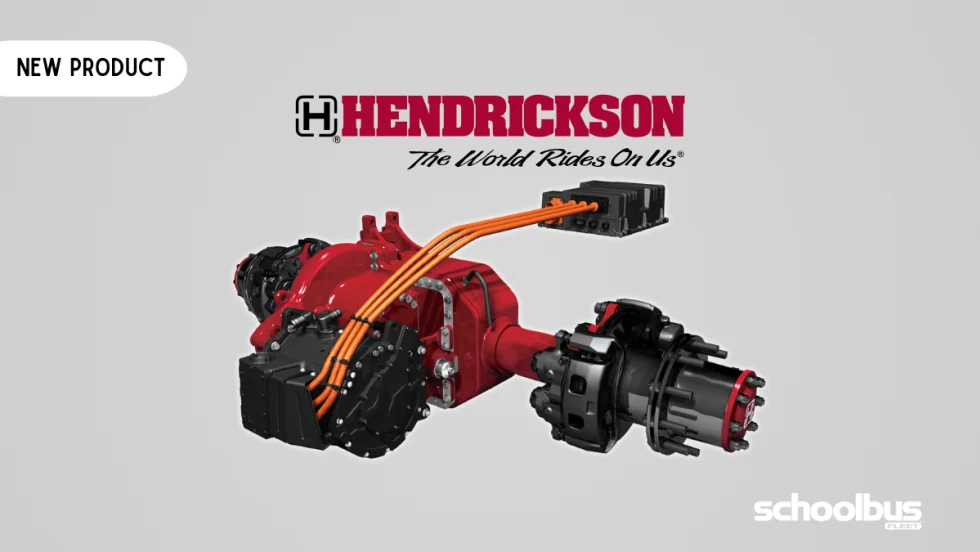
Hendrickson, Driventic Introduce New Electric Powertrain for School Buses
ELECTRAAX, the electrified, lightweight drive axle offers integrated ePowertrain efficiency and modular flexibility for Class 6–7 school bus use.
Read More →
The Mobility House Joins PowerFlex in Fleet Electrification Deal
The acquisition combines intelligent charging software, bidirectional charging expertise, and fleet electrification services to support the growing adoption of electric school buses across North America.
Read More →
Alt-Fuel Moves: Electric School Bus Investments Hit the Road
See which districts across the U.S. are putting electric school buses into service, expanding charging infrastructure, and planning the next phase of fleet electrification.
Read More →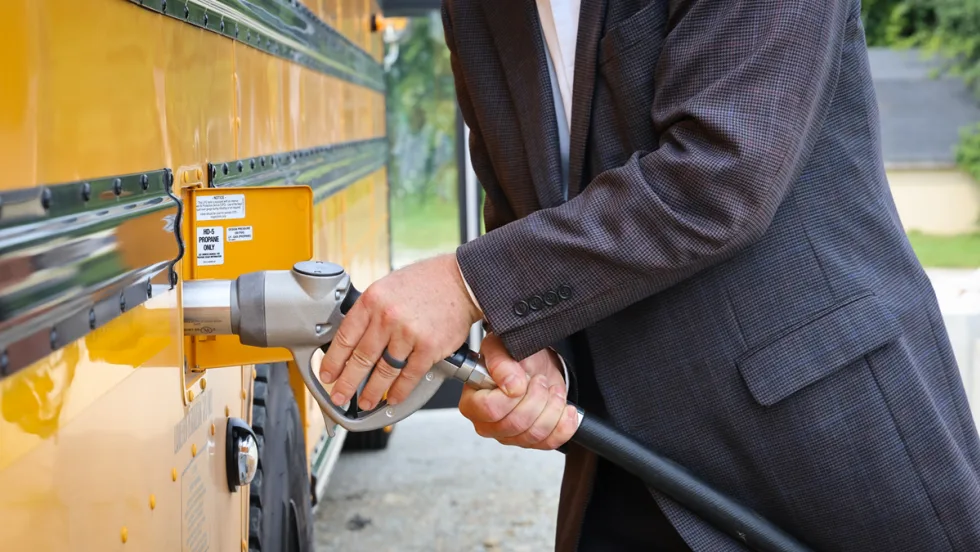
With Fuel Volatility Ahead, School Districts Turn to Propane
While diesel prices peaked above $5 this spring, districts with propane autogas-powered fleets paid under $2 per gallon, according to PERC.
Read More →
EPA Unveils Proposed Changes to 2027 Heavy-Duty Engine Rules
The federal agency has proposed changes to next year’s targets that would eliminate DEF derates, ease warranty requirements, and retain current NOx emissions standards.
Read More →
Alt-Fuel Moves: EV Charging & Infrastructure Projects Gain Momentum
The latest developments include new funding, charging infrastructure, utility investments, and fleet technologies designed to support the transition to electric school buses nationwide.
Read More →