




School Bus Maintenance in 2026: Costs, Tech & Workforce Gaps
The Evolution of DEF Header Technology: What School Bus Operations Should Know at Replacement Time
See what school bus fleets should consider when replacing DEF headers to improve reliability, reduce repeat repairs, and control maintenance costs.
by Jimmy Jimenez, Shaw Development
September 18, 2026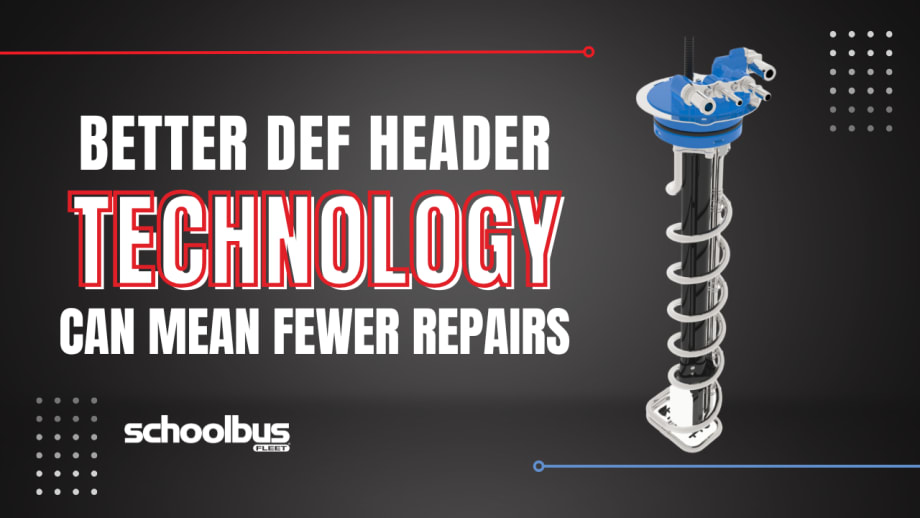
Newer DEF header technology is designed to improve reliability and service life, potentially helping school bus maintenance teams reduce repeat repairs and downtime.
Credit:
Jimmy Jimenez/Shaw Development/School Bus Fleet
11 min to read
- School bus operations should focus on choosing durable DEF headers to enhance vehicle reliability.
- Selecting high-quality DEF headers can contribute to minimizing the frequency of repeat repairs.
- Proper DEF header replacement strategies are essential for managing and controlling overall maintenance costs.
*Summarized by AI
School transportation is about much more than getting buses from one stop to the next.
Every morning, parents entrust local school transportation teams with what matters most: their children. That trust creates a sense of responsibility for reliability that goes beyond simply keeping buses on the road. It becomes a daily commitment to get students to school and back home safely and on time.
The scale of that responsibility is significant. School Bus Fleet’s 2024-25 national statistics report more than 483,000 yellow school buses transporting more than 20 million students daily and traveling approximately 3.8 billion miles annually.
When unexpected maintenance issues take a bus out of service, the impact can extend well beyond that single vehicle. It can affect drivers, dispatchers, substitute buses, route schedules, and ultimately leave students waiting for transportation.
The pressure to consistently deliver results can be quite high. At the same time, rising maintenance costs and growing emissions challenges can make it difficult to attract qualified school bus technicians.
Meanwhile, school districts may be asked to accomplish more with tighter maintenance budgets. As bus fleets age and operating costs continue to rise, every diesel exhaust fluid (DEF) header replacement becomes an opportunity to look beyond the initial repair and consider how the replacement part will impact maintenance over time.
According to industry survey data cited by BusCMMS, approximately 44% of school bus maintenance staff covered driving routes during the 2024-2025 school year. When maintenance personnel are already being asked to support operations beyond the shop, avoiding unnecessary downtime and repeat repairs becomes even more important.
This is why reliability cannot simply be measured by whether a DEF header works when it’s first installed. It also needs to be measured by how long the DEF header continues to perform, how often it keeps the bus out of the shop, and how much confidence it gives the people responsible for getting students safely to school and back home again.
DEF-related issues rarely happen at a convenient time. For school bus operations, one unexpected repair can quickly become more than a maintenance issue, affecting multiple teams.
One bus down can mean finding a replacement, rerouting schedules, and pulling a reserve bus into service. For a technician, it can mean having to place other repairs on hold while hours are lost troubleshooting the unexpected repair. For the school district, it becomes another unplanned cost. For the transportation team, it can mean having to ask that dreaded question: “Do you have enough buses for the morning?”
This is the “domino effect” that can start with a component that may seem small but plays a critical role in vehicle reliability and performance. The DEF header.
DEF systems and the components within them have continued to evolve since their introduction, driven by changes in emissions requirements and the demands placed on today’s vehicles. Yet when a DEF header reaches the end of its service life, the replacement decision often comes down to two basic questions: Does it fit? And what does it cost?
Those questions matter, but reliability and performance deserve equal consideration. Two additional questions are worth asking: “What technology is going back into the bus?” and “What does it mean for our total cost of ownership?”
The DEF Header: More Than a DEF Tank Measuring Tool
The DEF header is an important component of the vehicle’s emissions system. Its primary function is to measure and communicate DEF level, temperature, and fluid quality, providing critical information to the vehicle’s selective catalytic reduction (SCR) system. That means the DEF header and sensor must perform consistently in real-world conditions, not just ideal ones.
School buses often operate in extreme conditions. Heat, freezing temperatures, rain, humidity, and vibration, along with road conditions, repeated stop-and-go driving, extended idling, and long operating cycles can all place additional demands on DEF system components. A school bus operation in Florida may face heat, humidity, and constant thermal cycling, while one in Minnesota may face freezing temperatures and repeated freeze-thaw cycles. School bus operations in between also encounter their own combination of environmental and operational conditions.
The reliability and performance of a DEF header are non-negotiable. As a result, these demands have driven the evolution of DEF header technology.
What Has Changed in DEF Header Technology?
Not every DEF header is built around the same technology. When a replacement is needed, fit and purchase price are typically the most important factors. While both matter, they should not be the only considerations.
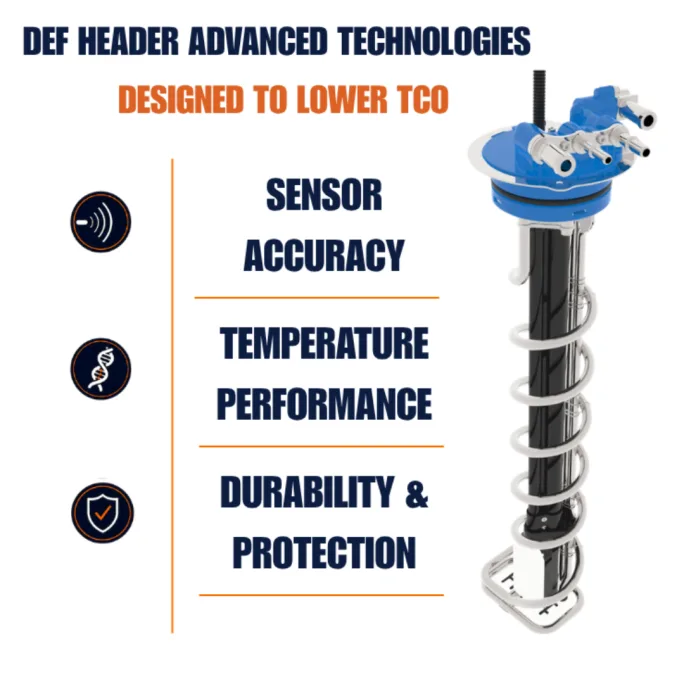
Advances in DEF header design focus on sensing accuracy, temperature performance, durability, and protection of critical electronics
Credit:
Jimmy Jimenez/Shaw Development
Several areas can have a direct impact on how a DEF header and its sensors perform over time: sensing accuracy, temperature performance, durability, and protection of electronics. These factors matter because a DEF header is not operating in a controlled environment. It’s dealing with changing temperatures, vibration, fluid movement, and the day-to-day demands of keeping a school bus in service.
Newer generations of DEF header technology have focused on improving performance in these areas. For school bus operators, the important question is not simply whether a replacement fits the application but whether the replacement design going back into the vehicle has addressed some of the challenges that affected previous generations.
More Reliable Sensing
One of the DEF system’s most important jobs is providing accurate information about DEF level, temperature, and fluid quality. When that data is unreliable, it can cause false fault codes, unnecessary diagnostics, and time spent troubleshooting a problem that may not exist. That’s one reason sensing technology has continued to evolve.
Traditional sensing methods can be affected by factors such as mechanical movement, fluid agitation, and aeration. Newer technologies, including ultrasonic sensing, are designed to provide more consistent measurements under changing conditions. For a maintenance team, that can mean something very practical: more confidence in the information being delivered from the DEF system and less time spent chasing intermittent or unreliable signals.
When evaluating a DEF header replacement, school bus maintenance teams should ask what sensing technology is being used, how it’s designed to perform under real-world conditions, and whether the replacement represents an improvement over the technology originally installed in the vehicle.
Performance Across Changing Conditions
When school bus operators think about DEF temperature performance, cold weather is usually the first concern, which is understandable. DEF freezes at approximately 12 degrees Fahrenheit, which makes freezing and thaw performance an important consideration for buses operating in colder weather. However, temperature performance is about more than winter.
A DEF header may spend its life dealing with summer heat, humidity, repeated temperature changes, vibration, and constant movement inside the tank. A bus operating in Florida faces a very different environment than one operating in Minnesota, but both place high demands on the DEF system.
This is why newer generations of DEF header and sensor technology have focused on improving how the system manages temperature. Advanced heat-transfer designs, for example, can improve thaw performance. DuraWRX testing of its latest-generation DEF header and sensor design demonstrated a thaw time that was up to 70% faster than previous-generation sensing technology.
The larger takeaway for school bus operators is to look beyond whether a DEF header simply works when first installed. The better question is how it is designed to perform across the conditions school bus operations actually experience throughout the year.
Protecting Critical Electronics
Inside a DEF header are sensing and electronic components that must continue working regardless of the demanding environment. They are exposed to DEF, changing temperatures, vibration, and constant movement within the tank. Over time, protecting those components can have a direct impact on reliability and service life.
This is another area where newer-generation designs have improved. Better protection of critical electronics can help reduce the impact of the harsh environments the DEF header operates in on a daily basis. DuraWRX testing of its latest-generation design demonstrated up to 33% greater electronic protection compared with previous-generation designs.
The specific technology will vary by manufacturer, but the maintenance question should remain the same: how is the replacement DEF header protecting the electronics that have to survive exposure to DEF, temperature fluctuations, vibration, and constant movement year after year?
Longer Service Life Changes the Cost Equation
This is where the evolution of DEF header technology becomes more than an engineering discussion. The cost of a DEF header replacement extends well beyond the purchase order. Technician labor, diagnostic time, installation, repeat repairs, and downtime can all add to the true cost of replacing the DEF header.
Published repair estimates illustrate why those costs can add up. According to PartCatalog, DEF module replacement costs can range from $800 to $1,600, including parts and labor, depending on the application. Published repair information also places DEF quality sensor replacement costs at approximately $745 to $1,728.
While actual repair costs can vary by application, labor rates, and the extent of the repair, these figures demonstrate how quickly a DEF-related repair can become a major maintenance expense for school districts and transportation operations. Once the cost of the replacement DEF header, diagnostic time, downtime, labor, and other shop expenses are taken into account, the total cost can extend well beyond the price of the DEF header itself.
In testing, DuraWRX DEF headers have demonstrated up to 2X longer service life versus previous sensor generations and alternatives. Longer service life can reduce the frequency of replacements and change the total cost of maintaining a vehicle.
For school districts facing tighter maintenance budgets, the acquisition cost of a replacement DEF header matters, but the lowest purchase price doesn’t always represent the lowest cost over the life of the vehicle.
An aftermarket DEF header with lower acquisition costs and longer service life can help reduce upfront expenses while also reducing how often the DEF header needs to be replaced. That provides school districts with another way to proactively manage total cost of ownership.
How the Aftermarket Has Evolved
School buses can remain in service for years. That makes access to quality DEF header replacements an important part of a long-term maintenance strategy.
The aftermarket gives school districts and private transportation operators another option when a DEF header replacement becomes necessary. More importantly, it can give maintenance teams access to newer technology without replacing a larger assembly or making changes to the vehicle itself. That aligns with a broader principle behind the right-to-repair movement. School districts and private transportation operators should have reasonable access to parts, information, and repair options they need to maintain the vehicles they own and operate.
The evolution of DEF header technology has also reached the aftermarket. DuraWRX is the first aftermarket DEF header and sensor provider to bring newer-generation technology to replacement applications.
For school districts considering aftermarket replacements, OE quality, fit, and function can also be important considerations, particularly when introducing newer technology into an existing vehicle.
For school districts managing a mix of bus makes and models, broad application coverage can provide additional flexibility when sourcing DEF header replacement components.
The basics still matter. The DEF header needs to fit correctly, function properly and meet the performance demands of the application. But when those requirements are met, school districts can also look at what has changed inside the DEF header and what they are gaining from the replacement.
A New Technology Opportunity at Replacement Time
School bus operators don’t necessarily need to replace a properly functioning DEF header simply because newer technology exists. However, when a replacement is needed, that decision creates an opportunity to ask a few additional questions.
For school districts with tighter budgets, that replacement decision can also be an opportunity to balance initial acquisition cost with longer service life. That balance can be especially important when maintenance teams are working within fixed or increasingly constrained budgets and need to make every dollar spent on a DEF header replacement go further.
Has sensing become more accurate? Has the design improved performance across changing conditions? How does the design protect critical electronics? Is there testing that demonstrates improved service life? Those questions can lead to a better maintenance decision without making the process more complex than it should be.
The Real Measure of Reliability
A school bus operation doesn’t want to think about its DEF header every day. The ideal scenario is much simpler. The driver starts the bus, the bus leaves the yard, the route is completed. The vehicle returns to the shop, and the maintenance team moves on to the next scheduled job rather than having to diagnose another unexpected DEF fault code. That is what reliability looks like from a school bus operation’s perspective.
Achieving that kind of reliability requires more than replacing a failed DEF header with another that fits the application.
Advances in DEF header technology are focused on areas that matter directly to school bus operations: sensing accuracy, temperature performance, protection of critical electronics, and service life.
In testing, DuraWRX demonstrated up to 2X longer service life, 70% faster thaw time, and 33% more electronic protection compared to prior-generation designs.
For school bus operations, that evolution is worth considering the next time a DEF header needs to be replaced. The decision is not simply about putting another DEF header in the tank. It’s an opportunity to ask what technology is going back into the vehicle, what it could mean for reliability and maintenance, and whether a lower acquisition cost combined with longer service life can help the district obtain more value from its maintenance budget.
Ultimately, the goal is much simpler. Keep the bus where it belongs. On the road. On schedule. Ready for the students and parents counting on it. Behind every route is more than a maintenance schedule. There are students getting to school, parents trusting their kids will get there and home safely, and transportation teams responsible for making that happen.

Credit:
J. Jimenez
About the Author: Jimmy Jimenez is the Senior Brand Manager at Shaw Development, where he leads the brand and marketing strategy for DuraWRX, the first aftermarket DEF header and sensor provider. With more than 20 years of experience in branding, creative strategy, and marketing, he focuses on translating complex technologies into clear, relevant messaging that connects with fleets, distributors, engineers, technicians, and other industry professionals.
This article was authored and edited according to School Bus Fleet editorial standards and style. Opinions expressed do not necessarily reflect that of SBF or Bobit Business Media.
Quick Answers
A DEF header is a component of the Diesel Exhaust Fluid system essential for reducing vehicle emissions. It is crucial for school buses as it ensures the buses meet environmental regulations and operate efficiently.
*Summarized by AI
Subscribe to Our Newsletter
More Maintenance
Sponsored•September 8, 2026
The Essential Guide to School Bus Maintenance and Student Safety
Your district's buses carry students to school every day. This guide shows how predictive maintenance powered by fleet data helps keep buses reliable, drivers accountable and students safer from the first bell to the last stop.
Read More →
Kerry Brothers Grows Michigan School Bus Repair Network
The acquisition of Downriver Truck and Bus expands Kerry Brothers’ school bus maintenance footprint across southeast Michigan, adding repair capacity, diagnostic resources, and state inspection support.
Read More →
Noregon Introduces CAN Bus Diagnostic Tool, Expands JPRO Features
CAN Mentor and the latest JPRO update aim to simplify vehicle network diagnostics and improve repair efficiency for technicians of all experience levels.
Read More →
Cummins on Smarter, Simpler Engine Innovation
Cummins discusses its first-ever gasoline engine for school buses, EPA 2027, and why bus fleets still want durable, simpler internal combustion options.
Read More →
Report: 72% of Diesel School Buses Now Use Advanced Low-Emission Engines
New data shows advanced low-emission diesel technology continues expanding across school bus fleets, even as electric bus adoption gains momentum.
Read More →
Vampire Tools' CAIMAN 7.5-Inch Multi-Purpose Screw Extractor Long-Nose Pliers with Crimper
Vampire Tools introduced the VAMPLIERS Caiman 7.5-inch multi-purpose pliers, combining screw extraction, cutting, crimping, and gripping functions into a single tool designed for fleet maintenance professionals.
Read More →
How Advanced Diagnostics Helps Bus Fleets Stay Ahead of Repairs
Chat with Noregon’s Kevin Smallhorn at ACT Expo about bus diagnostic tools, telematics integration, CNG maintenance support, and strategies to help reduce downtime and improve uptime.
Read More →
How School Bus Fleets are Getting Ahead of Breakdowns
Don’t let bus downtime wear you down. Here’s how bus operators are shifting from manual processes to AI-powered, data-driven maintenance systems for improved reliability and safety.
Read More →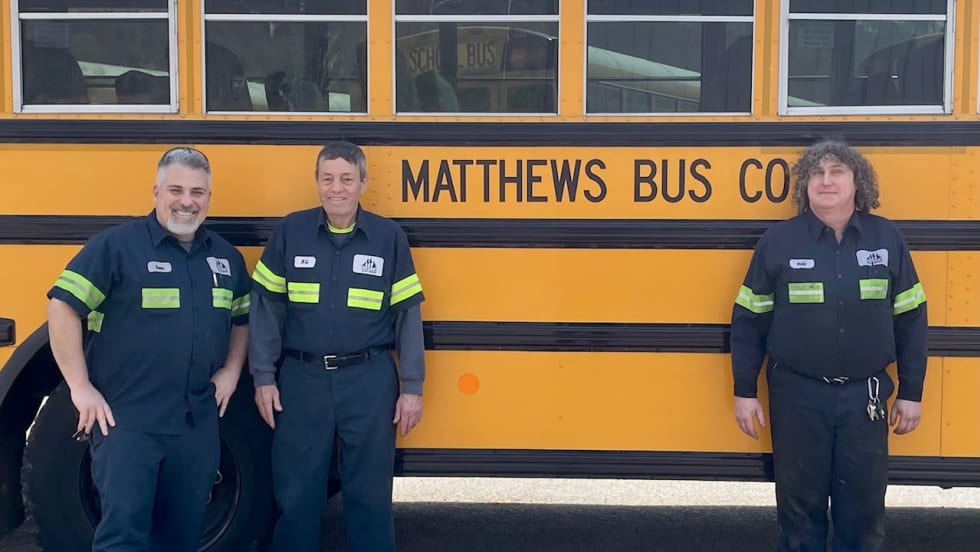
Pennsylvania School Bus Maintenance Team Praised for Dedication to Safety
Matthews Bus Company’s West Jefferson received a letter of commendation from the Pennsylvania State Police for their fleet inspections.
Read More →
Sponsored•April 16, 2026
From Chaos to Clarity: How School Districts Are Running Leaner Transportation Operations
Covering 38 routes on a Friday afternoon. Buses idling while routes overlap. Parents calling nonstop about late arrivals. Sound familiar? This whitepaper explores how district transportation leaders solved these exact problems — and what measurable results followed.
Read More →