





From Our Sister Site: Navigating Sustainability: Pros & Cons of Clean Fleet Technologies
A Quick Guide to School Bus Alternative Fuels: Key Terms for Going Green
From propane to electric, discover alternative fuel options for powering school buses. This is your primer to key definitions and how each compares to diesel.
September 19, 2025

School bus operators don’t have to go all-in on one alternative fuel — understanding the options helps fleets choose the best fit for their needs.
Photo: School Bus Fleet
6 min to read
For decades, diesel has been the dominant fuel of choice for school bus fleets. But as emissions requirements change and interest in alternative fuels, electrification, and carbon reduction grows, many are turning to diesel modifications and/or new fueling sources.
It can feel like a maze navigating all the options. So, let us help! Here’s a high-level guide to how each works for school bus use, and related terms and technologies. Plus, some recommended articles on each so you can dig deeper.
For decades, diesel has been the dominant fuel of choice for school bus fleets. But as emissions requirements change and interest in alternative fuels, electrification, and carbon reduction grows, many are turning to diesel modifications and/or new fueling sources.
It can feel like a maze navigating all the options. So, let us help! Here’s a high-level guide to how each works for school bus use, and related terms and technologies. Plus, some recommended articles on each so you can dig deeper.
Propane & Natural Gas Options
CNG (Compressed Natural Gas)
Natural gas that’s been compressed to less than 1% of its volume to fit into high-pressure tanks. CNG, while still a fossil fuel, burns cleaner than diesel, though fueling infrastructure is limited. CNG school buses lost popularity in the mid-2000s, with manufacturers ending sales on those models in the early 2020s. CNG school buses are no longer available to buy new.
Natural Gas
An odorless, gaseous mixture of hydrocarbons predominantly made up of methane (think gas stoves). The vast majority of natural gas in the United States is considered a fossil fuel.
Propane
Sometimes called propane autogas or LPG, it’s a clean-burning liquid fuel stored under pressure. Compared to diesel, propane engines run quieter and produce fewer emissions, often at lower fuel and maintenance costs. Diesel-powered school buses can be converted to propane using a conversion kit.
Currently, only Blue Bird offers a propane bus due to an exclusivity agreement with Roush CleanTech through 2030.
Alt-Fuel for Non-Electrifiers: 3 Reasons to Consider Propane
4 Reasons I Chose Propane Autogas Buses as a District Transportation Director
RNG (Renewable Natural Gas)
Also known as biomethane, it is produced from organic waste (such as landfills or farms) and then processed to clean any impurities. RNG, a renewable source, reduces greenhouse gas (GHG) emissions even further than CNG. While it is growing in popularity, its availability and infrastructure can be limited.
You can’t buy an RNG bus, but you can convert a diesel bus to use it using an aftermarket retrofit system, such as Ingevity’s “CowFartBus” solution.
Five Questions About the CowFartBus and Renewable Natural Gas with Nate Thacker of DEMI
South Carolina Charter School Converts Fleet To Run on Renewable Natural Gas
Renewable Propane
Also called biopropane, it’s made from renewable feedstocks (like vegetable oils or animal fats) instead of fossil fuels. It is chemically the same as traditional propane and works the same, but its carbon intensity is four times lower than conventional propane, and five times lower than diesel. Diesel-powered school buses can be converted using a conversion kit.
Liquid Fuels
Biodiesel
Diesel alternative made from renewable sources like soybean oil or recycled cooking grease through a process that introduces oxygen. Generally blended with petroleum diesel (you’ll see the blend ratios listed as such, e.g., B5 has up to 5% biodiesel; B20 is 6% to 20% biodiesel; and B100 is pure biodiesel).
Biodiesel can be used in existing diesel engines with no modification. It reduces GHG emissions by up to 86% compared to regular diesel and offers an easy point of entry.
Gasoline
Just like what you (probably) put in your car. Used in Type A school buses and now gaining ground in larger-capacity buses. Less expensive upfront than diesel, but generally less fuel-efficient and higher in emissions than other alternative fuels.
Renewable Diesel
A hydrocarbon chemically equivalent to petroleum diesel (a fossil fuel made from crude oil) but made from renewable sources like soybean oil or canola oil. Renewable diesel buses do not require a conversion kit.
Diesel Emissions Systems
DEF (Diesel Exhaust Fluid)
Not a fuel, but an additive required in modern diesel engines. DEF helps reduce nitrogen oxide (NOx) emissions through the exhaust system.
DPF (Diesel Particulate Filter)
An emissions reduction device in the exhaust system of diesel buses that traps soot and fine particles. It requires regular regeneration (burning off the buildup) and maintenance to keep running smoothly.
Electric Vehicles & Zero-Emission Tech
Battery-Electric Vehicle (BEV or EV)
Runs entirely on electricity stored in onboard batteries that power the vehicle, charged by plugging into a charging station. These vehicles boast zero emissions.
Hybrid
A combination of a conventional engine (like diesel or gasoline) and an electric motor. Hybrids improve fuel efficiency and reduce emissions but aren’t currently used in school bus applications.
Hydrogen Fuel Cell
Generates electricity through an onboard tank when hydrogen combines with oxygen captured from cells on the roof of the bus, producing only water vapor as exhaust. It offers long-range and fast refueling, but the technology is early in its adoption.
Repower
A repowered bus is an existing diesel or gas school bus that’s converted to run on electricity by replacing the engine and drivetrain. It offers a lower-cost path to zero emissions than buying new.
Solar
Used as a supplemental technology and support infrastructure, such as solar panels on bus charging depots.
ZEV (Zero-Emission Vehicle)
A broad category of a vehicle that produces no tailpipe emissions, most commonly battery-electric or hydrogen fuel cell. Many state mandates and incentives focus on ZEV adoption.
Grid & Infrastructure
V2G/V2X (Vehicle-to-Grid/Vehicle-to-Everything)
Technology that lets electric buses send stored power back to the grid or a building. This can create new revenue streams or emergency backup power.
Infrastructure
Often overlooked, but key: The fueling or charging setup needed for a bus to run — like on-site fueling stations or EV chargers.
Microgrid
A small, self-contained energy system — often combining solar, batteries, and even V2G buses — that can power a depot independently.
This list was based on industry research and compiled with the assistance of OpenAI.
For more, visit the U.S. Department of Energy’s alternative fuel resources page.
Topics:Alternative Fuels
Subscribe to Our Newsletter
More Alternative Fuels

CALSTART and Forth Combine to Form Catalyst Mobility
The new name represents a renewed vision for the nonprofit focused on advancing clean, equitable, and affordable transportation solutions that move people and goods.
Read More →
Alt-Fuel Moves: New Buses, Charging Hubs & Real-World EV Testing
Propane and electric school bus deployments continue to grow as districts add new vehicles, expand charging infrastructure, and gather more real-world operating data.
Read More →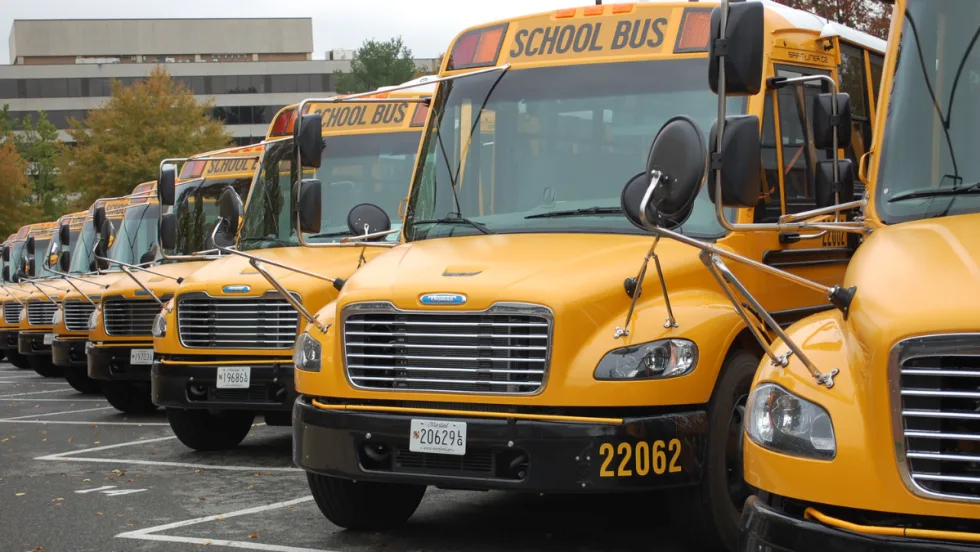
Fewer Electric School Bus Models Reshape the U.S. Market
WRI’s latest buyer’s guide points to a consolidating electric school bus market, but fewer options may reflect a maturing industry rather than fewer meaningful choices for school bus operators.
Read More →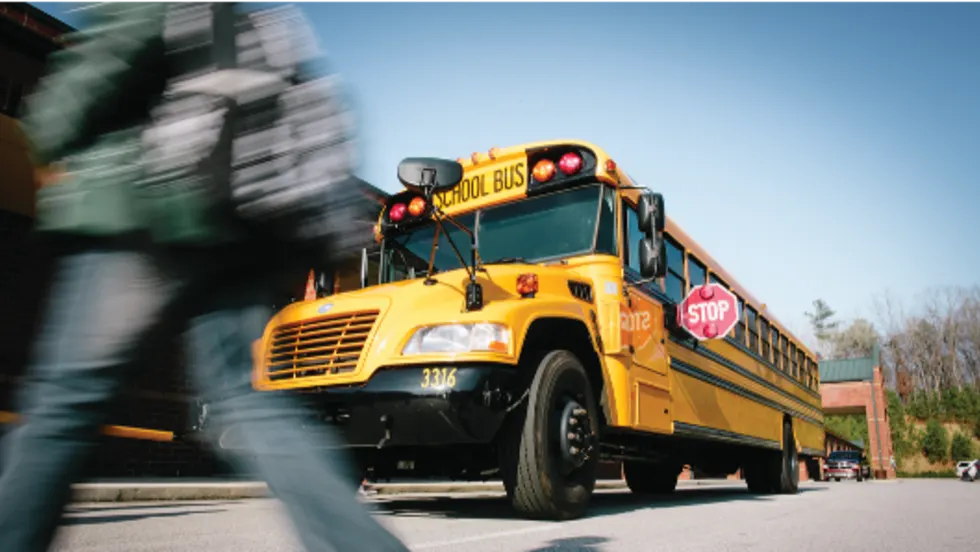
The Fuel Budget You Can Actually Predict: How Propane Autogas Keeps Money in the Classroom
Learn how propane autogas helps school districts manage fuel costs with predictable pricing, lower maintenance, and reduced emissions from former transportation director Joel Stutheit.
Read More →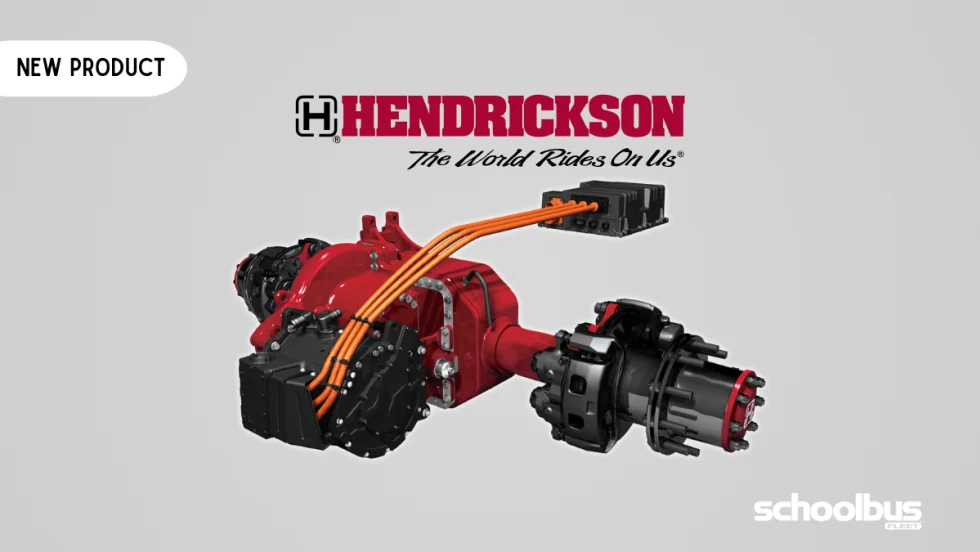
Hendrickson, Driventic Introduce New Electric Powertrain for School Buses
ELECTRAAX, the electrified, lightweight drive axle offers integrated ePowertrain efficiency and modular flexibility for Class 6–7 school bus use.
Read More →
The Mobility House Joins PowerFlex in Fleet Electrification Deal
The acquisition combines intelligent charging software, bidirectional charging expertise, and fleet electrification services to support the growing adoption of electric school buses across North America.
Read More →
Alt-Fuel Moves: Electric School Bus Investments Hit the Road
See which districts across the U.S. are putting electric school buses into service, expanding charging infrastructure, and planning the next phase of fleet electrification.
Read More →
With Fuel Volatility Ahead, School Districts Turn to Propane
While diesel prices peaked above $5 this spring, districts with propane autogas-powered fleets paid under $2 per gallon, according to PERC.
Read More →
EPA Unveils Proposed Changes to 2027 Heavy-Duty Engine Rules
The federal agency has proposed changes to next year’s targets that would eliminate DEF derates, ease warranty requirements, and retain current NOx emissions standards.
Read More →
Alt-Fuel Moves: EV Charging & Infrastructure Projects Gain Momentum
The latest developments include new funding, charging infrastructure, utility investments, and fleet technologies designed to support the transition to electric school buses nationwide.
Read More →