




The Road to a Greener Future: How Thermal Tech Drives Electric Innovation in School Buses
As the school bus transforms from a diesel-powered icon to an electric, eco-friendly vehicle, walk through the challenges and innovations in thermal management, battery performance, and infrastructure, driving the future of sustainable student transportation.
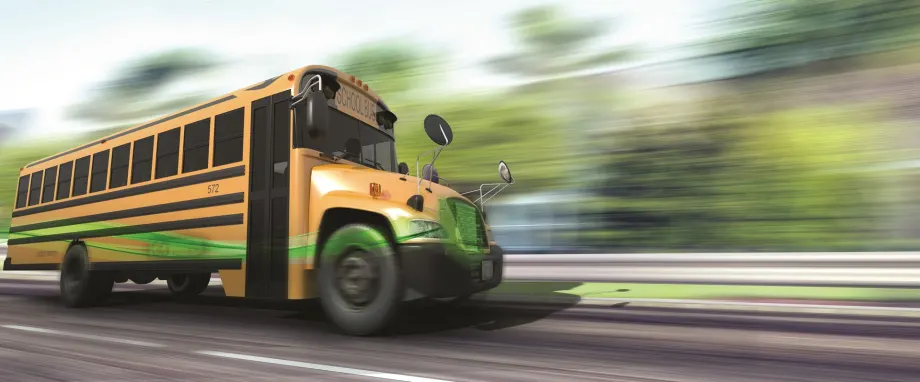
With a range of up to 300 miles, modern electric school buses can easily handle the average daily route, making them a practical and sustainable alternative to the diesel buses we all are familiar with.
Photo: Modine
- The transition from diesel to electric in school buses involves overcoming challenges in thermal management and battery performance.
- Innovative thermal technologies are enhancing the efficiency and sustainability of electric school buses.
- Infrastructure developments are crucial in supporting the widespread adoption of electric school buses for sustainable transportation.
*Summarized by AI
The classic shape and color of the American school bus continue to evoke feelings of nostalgia and community long after graduation. However, the iconic yellow vehicle is undergoing a drastic transformation under the hood.
For most people, the classic shape and color of the American school bus continues to evoke feelings of nostalgia and community long after graduation. However, the iconic yellow vehicle is undergoing a drastic transformation under the hood.
Buses have emerged as frontrunners in transportation electrification, given their well-defined routes, predictable schedules, and focused operation in densely populated areas. However, the electrification of school buses still presents unique challenges compared to other fleet vehicles or light-duty cars due to factors like range, battery capacity, and vehicle weight. With their large battery packs and electric motors, managing the components’ operational temperatures is essential for optimal performance and platform success.
Fortunately, thermal management technology has advanced alongside e-mobility breakthroughs, ensuring electric school buses operate efficiently and reliably. These systems are essential for maintaining optimal battery performance and consistent range, making electric school buses a viable alternative to the traditional diesel-powered vehicles.
Market Growth and Federal Funding
The U.S. school transportation system operates nearly 500,000 buses to transport approximately 27 million students every school day. The overwhelming majority of those buses still rely on carbon-based fuels, emitting in excess of 8.4 million tons of greenhouse gasses annually. As the shift toward sustainability gains momentum, significant investments and regulatory support have put more than 5,100 zero-emission school buses across 33 states and Washington, D.C., into the mix.
When the federal government committed $1 billion in funding through the EPA's first Clean School Bus Program Grants Competition in 2024, it helped over 280 school districts purchase more than 2,700 clean buses. This funding has been a game-changer, particularly in the Southeast, where the program funded 100% of electric school buses in Louisiana. In comparison, it covered 99% in Georgia, 94% in Texas, and 42% in Florida.
Battery technology advancements have driven this shift to electric buses, making them even more practical for widespread use by alleviating previous concerns about range and reliability. Modern electric school buses now boast impressive ranges — up to 210 miles for Type C buses and 300 miles for Type D buses. This capability far exceeds the average daily school bus route of 63 miles, ensuring that most electric models can easily handle typical school transportation needs. The combination of technological progress and financial support is accelerating electric bus adoption, significantly impacting education and sustainability in the transportation sector.
Outlining the Buyer's Journey
For school districts considering switching to electric buses, the journey often begins with understanding these vehicles' environmental benefits and long-term reliability. Initial research typically involves exploring funding opportunities, including federal grants, state incentives, and private partnerships. Districts also assess the age of their existing fleet, the condition of those vehicles, and the operational requirements when deciding how to best integrate electric buses into those motor pools.
In the planning phase, districts focus on selecting the best bus models and manufacturers and how to set up the requisite charging infrastructure. This stage demands close collaboration with suppliers and utilities to ensure a smooth rollout.
Key Questions to Ask Your Tech Partners
If you're a transportation director, consider and consult with technology partners on:
- How do we include the expected charging loads into our existing energy budget model?
- What permits and utility upgrades are required to implement the charging infrastructure, and what is the expected timeline for these updates?
- Is any weather protection needed for charging equipment and buses?
- What are the specific site preparation requirements for installing charging infrastructure?
- How will charging schedules align with bus routes and grid demand?
- What technology or features are available to help maintain battery health and reliability in both hot and cold climates?
- What real-time monitoring systems are available to track charging status and vehicle readiness?
A critical consideration for transportation directors is understanding the electrical infrastructure needed to charge electric school buses. Often, the bus depot's electrical system needs to be upgraded to provide the electricity required for charging. As part of the implementation process, school districts must evaluate the cost of these updates to gain a holistic understanding of the financial investment required for e-bus adoption. Recognizing that the investment extends beyond just procuring buses, governments and agencies often provide additional funding through grants to support essential infrastructure updates.
Effective training for drivers and maintenance staff is also required to fully leverage the benefits of the new electric fleet. Throughout this phase, expert support will help districts navigate the challenges and successfully integrate this cutting-edge technology into existing depot infrastructure. With careful planning and the proper support, school districts can successfully transition to a more sustainable and efficient transportation system.
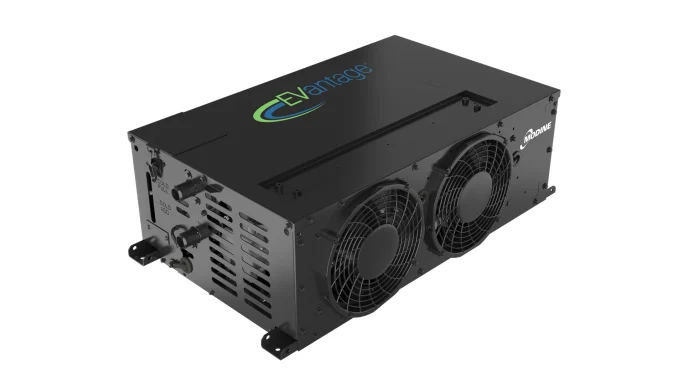
Since EV batteries require temperatures much lower than those of ICE vehicles, a strong thermal management plan is imperative to the proper efficiency and function of an electric bus. Pictured here is EVantage system from Modine.
Photo: Modine
Maximizing E-School Bus Performance
With workloads and duty cycles more demanding than passenger EVs, electric buses' range, battery capacity, maintenance, and charging dynamics require particular attention to the temperature ranges of their lithium-ion battery packs and power electronics during operation and charging.
Unlike ICE vehicles, which operate at 85°C to 115°C, EV batteries require a strict range of 20°C to 45°C (or about 68 to 113° F), posing a significant challenge in extreme weather conditions. Since electric school buses operate year-round, they demand sophisticated battery thermal management systems and operating procedures to swiftly heat batteries in cold weather and dissipate excess heat in hot conditions. In cold-climate regions like Vermont, where winter temperatures commonly fall between single digits and the low 30s°F, electric bus batteries require sophisticated thermal management systems to maintain optimal performance. While the cold ambient temperatures can help with general cooling needs, these bitter conditions actually create new challenges as the battery must work harder to bring cold batteries up to optimal operating temperature. With a battery thermal management system, bus batteries can easily reach and maintain optimal operating temperatures, even in the harshest winter conditions.
Conversely, in extremely hot climates like Texas, where summer temperatures can exceed 100°F, the cooling aspects of a comprehensive battery thermal management system become imperative. The high ambient temperatures mean batteries must work harder to handle the heat generated by regular operation and to counteract the external heat load from the environment itself. Bus batteries stay at optimal temperatures effortlessly, even in the summer heat, when equipped with a battery thermal management system. For this reason, these systems are vital year-round, ensuring the vehicle’s peak performance, efficiency, reliability, and longevity.
Also, unlike their ICE cousins, e-buses are equipped with power electronics — inverters, converters, onboard chargers, and traction motors — to keep them moving. These power electronics also require thermal management and have a tight temperature range to ensure the e-bus operates at peak efficiency. If the power electronics' operation temperature exceeds this range, the operator risks degraded performance and, in extreme cases, temporary inoperability. Advanced thermal management systems, just as in ICE platforms, dissipate heat and prevent overheating to maintain maximum efficiency, range, and vehicle longevity. With the right technology, e-bus platforms operate smoothly even under demanding conditions and enhance the reliability of electric school transportation.
These advanced thermal management systems also contribute to battery health by maintaining optimal operating temperatures and ensuring consistent performance in various weather conditions, providing peace of mind to administrators, parents, students, and the maintenance team at the depot.
Student Rider Comfort
As the under-the-hood components remain at the correct temperature, a good thermal management system will also help maintain an optimal cabin temperature during long bus routes for student comfort. A well-regulated cabin environment enhances the travel experience, but the vehicle's HVAC system can draw substantial power from the battery. As such, cabin comfort can quickly compete with vehicle range. For example, heating an EV can reduce its range by up to 40%, while using air conditioning on a 95°F day can decrease the range by approximately 17%.
Advanced thermal management systems can also be instrumental in achieving ideal passenger cabin temperatures. Features like pre-conditioning, which allows the bus to be heated or cooled while still connected to a charging station, can significantly reduce on-road energy use. Additionally, implementing a thermal management system equipped with smart electric components like a high-voltage electric compressor, coolant heater, and coolant pump, along with heat exchangers, can deliver precise temperature control for EV cabins without placing excessive demands on the battery. By intelligently managing thermal loads, these systems ensure student comfort and extend operating range, further contributing to the viability of electric school transportation.
Looking Ahead
While still big, yellow, and filled with potential, electric school buses mark a pivotal moment in the evolution of student transportation. With federal funding and state initiatives supporting this transition, the iconic yellow bus is set to become a symbol of environmental stewardship and technological advancement.
The continued development and roll-out of electric school buses will reduce emissions, improve air quality, and contribute to healthier communities. As more districts make the switch, the benefits of electrification will become increasingly evident, paving the way for a sustainable and efficient future for student transportation. The journey toward greener school buses is just beginning, but the road ahead promises significant rewards for our environment, students, and communities.

Gina Bonini
Photo: Modine
About the Author:
Gina Maria Bonini is the vice president and general manager of Advanced Thermal Systems for Modine, where she is responsible for leading the company’s zero-emission mobility vertical across global markets. Previously, she served at Tektronix as the general manager of the Component Solutions Organization and Technology Solutions Organization, focused on microelectronics design, development and manufacturing for defense, industrial, and medical markets. Bonini holds a bachelor’s degree in chemical engineering from the University of California, Berkeley, and a master’s degree in electrical engineering from Stanford University.
Quick Answers
The main challenges include effective thermal management, ensuring optimal battery performance, and developing the necessary infrastructure to support electric vehicles.
*Summarized by AI
More Alternative Fuels
Bipartisan Bill Seeks to Extend Clean School Bus Program Through 2031
The proposed legislation would renew federal support for cleaner school buses as districts navigate funding uncertainty, rising fuel and infrastructure costs, and fleet replacement needs.
Read More →
Alt-Fuel Moves: Electric Bus Rollouts, Bidirectional Charging & Propane Growth
See which fleets are adding electric and propane school buses as districts and operators invest in charging infrastructure, bidirectional technology, and alternative-fuel expansion.
Read More →
Nobody Told Diesel Prices They Were Supposed to Come Down
With diesel prices surging, school bus fleets have new reason to stress-test fuel costs, consider diversification, and calculate what each route really costs to operate.
Read More →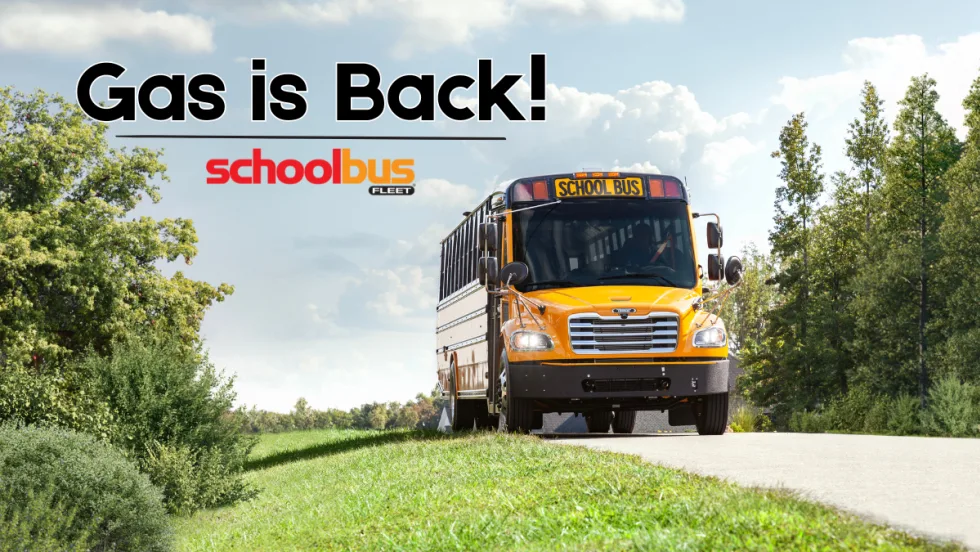
Why Gasoline School Buses Are Making a Comeback
Gasoline is gaining ground in full-size school buses. See how today’s options stack up against diesel on cost, maintenance, emissions, performance, and more.
Read More →
EPA Opens $180M DERA Funding Round for Diesel Upgrades
The 2026 Diesel Emissions Reduction Act program seeks applications from eligible organizations to accelerate the retirement of legacy diesel vehicles.
Read More →
The Secret Life of an Electric School Bus Battery
Batteries change throughout years of daily routes, but degradation doesn’t necessarily mean the end. Here’s what operators should know about performance, safety, and second life.
Read More →
CALSTART and Forth Combine to Form Catalyst Mobility
The new name represents a renewed vision for the nonprofit focused on advancing clean, equitable, and affordable transportation solutions that move people and goods.
Read More →
Alt-Fuel Moves: New Buses, Charging Hubs & Real-World EV Testing
Propane and electric school bus deployments continue to grow as districts add new vehicles, expand charging infrastructure, and gather more real-world operating data.
Read More →
Fewer Electric School Bus Models Reshape the U.S. Market
WRI’s latest buyer’s guide points to a consolidating electric school bus market, but fewer options may reflect a maturing industry rather than fewer meaningful choices for school bus operators.
Read More →
The Fuel Budget You Can Actually Predict: How Propane Autogas Keeps Money in the Classroom
Learn how propane autogas helps school districts manage fuel costs with predictable pricing, lower maintenance, and reduced emissions from former transportation director Joel Stutheit.
Read More →