





Stay Informed: Crucial Steps to Take After a School Bus Accident
Winter Weather Warrants Caution and Collaboration in School Transportation
Reminders about the critical importance of bus safety from Student Transportation of America include watching for winter hazards, dressing appropriately, and being prepared for the unexpected.
February 6, 2024
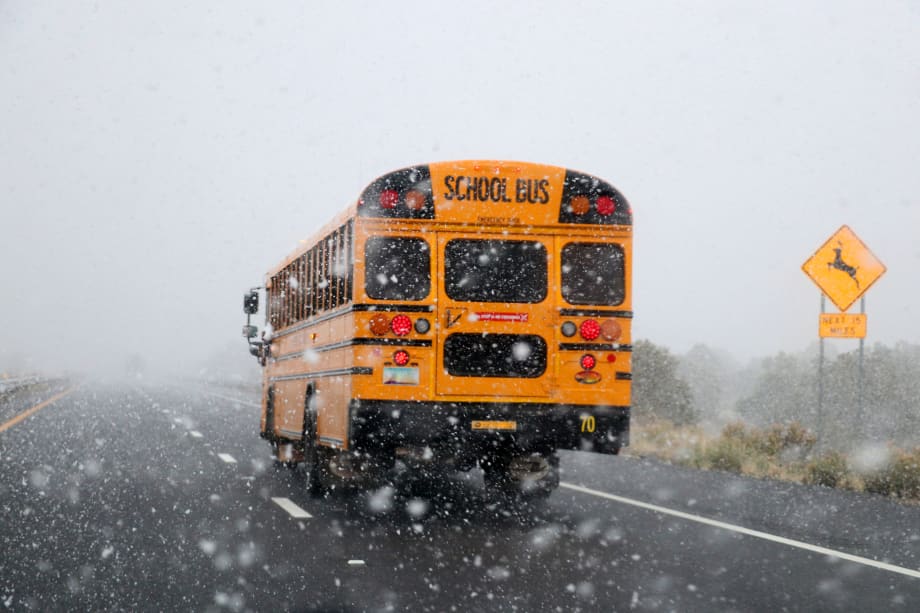
Student Transportation of America offered some winter weather tips for students, guardians, and school district partners.
Photo: Student Transportation of America
2 min to read
Spring's still some time away, and while winter weather remains a threat, school transportation provider Student Transportation of America issued a reminder about staying safe despite the chilly and sometimes hostile elements.
"We work closely with our district partners to determine how weather conditions will impact school closures and our transportation services," said Shelly Hall, senior vice president of health and safety for STA, in a news release. "From adding an extra layer of clothing to avoiding the snow piles at the bus stop, there's a number of ways students and guardians can help play an active role in staying safe this winter."
The company's suggestions underscore the collaborative effort required from students, guardians, and drivers.
Collaborative Approach to Safety
Collaboration is critical between students, guardians, and drivers in ensuring safety during winter weather. Planning ahead and communication with school district partners play a crucial role in adapting to challenging conditions.
Preparation Beyond the Bus Yard
Safety starts before buses hit the road. Ground crews assess road conditions, but students and guardians are encouraged to take additional precautions, considering the winter weather's impact on travel.
Student and Guardian Winter Safety Practices
Dress Appropriately: Students should bundle up with winter clothing, including hats, boots, and gloves, to stay warm at the bus stop.
Early Arrival: Planning to leave early provides ample time to safely reach the bus stop, especially considering the challenges of unplowed driveways and icy sidewalks.
Observant Behavior: Students should remain vigilant for traffic, icy spots, and other hazards. Limiting distractions like headphones and phones is crucial.
Snow Awareness: Avoiding playing in the snow while waiting for the bus, staying away from snow piles, and refraining from throwing snowballs contribute to preventing accidents and falls.
Patience is Key: During adverse weather conditions, slow driving is essential. Students are reminded to be patient in case of delays, and caution is advised when entering or exiting the bus.
General Winter Motorist Driving Tips
Awareness of School Buses: All drivers are urged to be extra vigilant around school buses and bus stops during winter conditions. Following at a safe distance, watching for bus lights, and taking extra caution in intersections are crucial.
Adjusting Speeds: Considering that bridges and overpasses freeze before other surfaces, drivers are advised to adjust their speeds accordingly, especially in school zones, loading zones, and bus stops.
Cooperation for School Bus Accident Prevention
Accidents involving school buses and pedestrians can be avoided through collective efforts. Drivers are urged to slow down, remain cautious, and prioritize the safety of students during winter storm season.
By promoting these safety measures, we can all try to create a safer environment for students, guardians, and drivers during challenging winter weather conditions.
More Safety

How to Build a Better School Bus Driver Training Program
Is it time to strengthen your driver training? Here’s how to pick the right talent and improve recruitment, retention, and safety. This video is brought to you by IC Bus.
Read More →
Recent School Bus Accidents Leave 2 Dead, 2 Injured
Four school bus crashes in Florida, Illinois, and Georgia highlight risks in transportation lots, at bus stops, and during student loading and unloading.
Read More →
Sponsored•September 8, 2026
When Every Second Matters, Clarity Keeps Routes Moving
From routine delays to urgent incidents, strong communication practices help drivers, dispatchers, schools, and families respond with confidence.
Read More →

What Happens When a School Bus Catches Fire — and What Can Help
School bus fires are rare but can be devastating. Learn how advances in fire suppression and asset protection help fleets detect fires earlier, reduce damage, and improve safety.
Read More →
Geotab Launches Tool to Help Fleets Investigate Road Incidents
Geotab Investigations combines telematics data, video, documents, and other evidence to help fleets reconstruct incidents, resolve claims, and determine what happened.
Read More →
Texas Sixth Grader Wins 2026 National School Bus Safety Poster Contest
Sai Darshana Yekolu of Moseley Middle School in Prosper, Texas, was named the newest winner for her artwork, bringing the theme of “Safe Rides, Everyday Heroes” to life.
Read More →
Sponsored•August 27, 2026
Doing More With Less: How Transportation Directors Can Prioritize Safety Amid Budget Uncertainty
With diesel prices soaring and nearly one-third of transportation directors expecting budget cuts, maintaining student safety has never been more challenging. Download this guide to learn how leading districts are prioritizing risk, funding critical safety technology, and building stronger budget cases with data.
Read More →
Walton County Schools Adds Gatekeeper Stop-Arm Enforcement System
The Florida district will deploy Gatekeeper’s updated Student Protector technology, which now incorporates AI to improve video evidence.
Read More →
How To Build a More Secure School Bus Yard During and After Hours
As thefts and overnight security threats continue, school transportation leaders are combining stronger operational practices with AI-enabled surveillance to better protect buses, facilities, and staff.
Read More →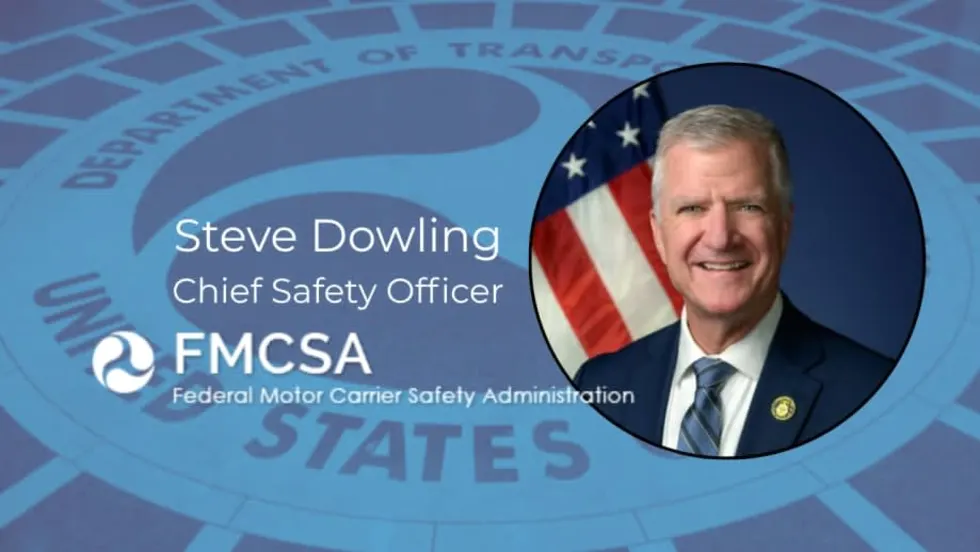
FMCSA Names New Chief Safety Officer: What School Bus Operators Should Know
Steve Dowling is set to lead the federal agency's efforts to advance commercial motor vehicle safety and reduce crashes, fatalities, and injuries on the nation's roadways.
Read More →