





More News: First Look at Thomas Built Buses' Second-Gen Jouley Electric School Bus
Student Transportation of America Deploys Electric School Buses in Vermont
White River Valley Supervisory Union celebrates the addition of three electric buses coming to their district thanks to Student Transportation of America.
January 8, 2025
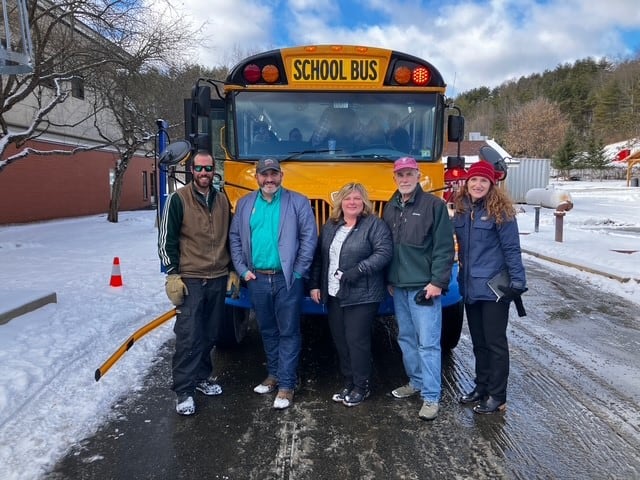
WRVSU and STA members gathered for the delivery of the three electric buses to their district. From left to right: Ryan Haac, Sharon, Vermont sustainable energy committee, Grant writer, Superintendent Jamie Kinnarney, Stacy Emerson General Manager STA, STA Driver Daniel Deneen, and Rachel Lane VP Electrification, STA.
PHOTO: STA
2 min to read
Student Transportation of America (STA) announced the accelerated growth of their Electric Vehicle (EV) program with the continued expansion of its EV footprint into the state of Vermont.
The White River Valley Supervisory Union (WRVSU) District held a press event celebrating the addition of three EV buses to their fleet. The three buses will be serving their Stockbridge, Sharon, and Newton school campuses.
Keeping Emissions Down
The electric buses will replace higher emission vehicles and were made possible through the U.S. Environmental Protection Agency (EPA) Clean School Bus Program. The Clean School Bus Program is a rebate competition under the Bipartisan Infrastructure Law and WRVSU was awarded their grant in 2022.
“We love seeing advocacy and overall momentum grow for EV. When White River Valley approached us with the desire to enhance their fleet with electric buses, we couldn’t be more excited to support our new District partners,” said Rachel Lane, Vice President of Electrification & Sustainability. “We’re working hand in hand to ensure the integration of the new EVs is as seamless as possible. Using our EV knowledge and industry network, we helped the District identify the right vehicles for their needs and are now navigating the infrastructure upgrades. We anticipate seeing these buses on the road in a matter of weeks.”
Keeping the Buses Rolling
STA is the district’s current transportation provider. Each school has installed InCharge chargers, and local terminal teams underwent extensive training in December to learn EV processes, maintenance requirements, and best practices.
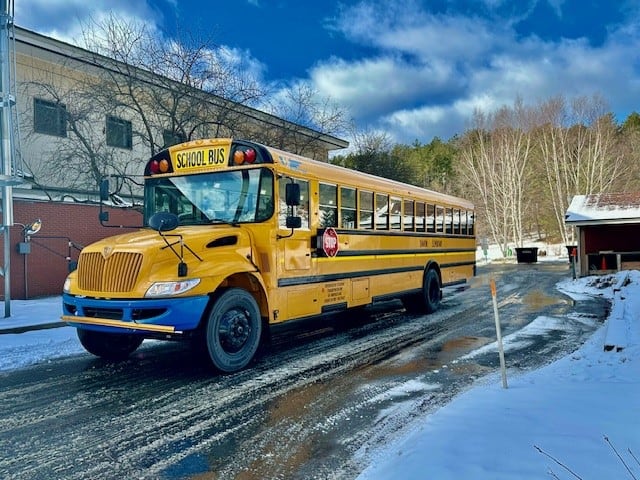
One of the three new electric buses that arrived in Vermont thanks to help from STA and the EPA's Clean School Bus Program.
PHOTO: STA
As the buses roll out with the fleet assignments, STA’s team will track battery life, component life, and collect other key data. The information give STA actionable intelligence into the performance of EV buses within various operating environments, including urban, suburban, and rural areas.
“We’re looking forward to seeing the EV buses transporting our local students. When we applied for the EPA grant, we ultimately wanted to create a healthier environment for our students and our planet. STA has been a great partner in helping us achieve this goal,” said Jamie Kinnarney, WRVSU Superintendent. “Training went flawlessly, and we’re optimistic about the positive impact these EV buses will bring.”
To date, STA has replaced more than 3,500 diesel engine school buses with alternative fuel vehicles. The company recently earned the “Go Yellow, Go Green” honor from the National School Transportation Association. Through the help of grants, incentive projects, strategic partnerships, and investments, STA plans to expand its electric bus initiative into additional markets throughout the year.
More Alternative Fuels
Bipartisan Bill Seeks to Extend Clean School Bus Program Through 2031
The proposed legislation would renew federal support for cleaner school buses as districts navigate funding uncertainty, rising fuel and infrastructure costs, and fleet replacement needs.
Read More →
Alt-Fuel Moves: Electric Bus Rollouts, Bidirectional Charging & Propane Growth
See which fleets are adding electric and propane school buses as districts and operators invest in charging infrastructure, bidirectional technology, and alternative-fuel expansion.
Read More →
Nobody Told Diesel Prices They Were Supposed to Come Down
With diesel prices surging, school bus fleets have new reason to stress-test fuel costs, consider diversification, and calculate what each route really costs to operate.
Read More →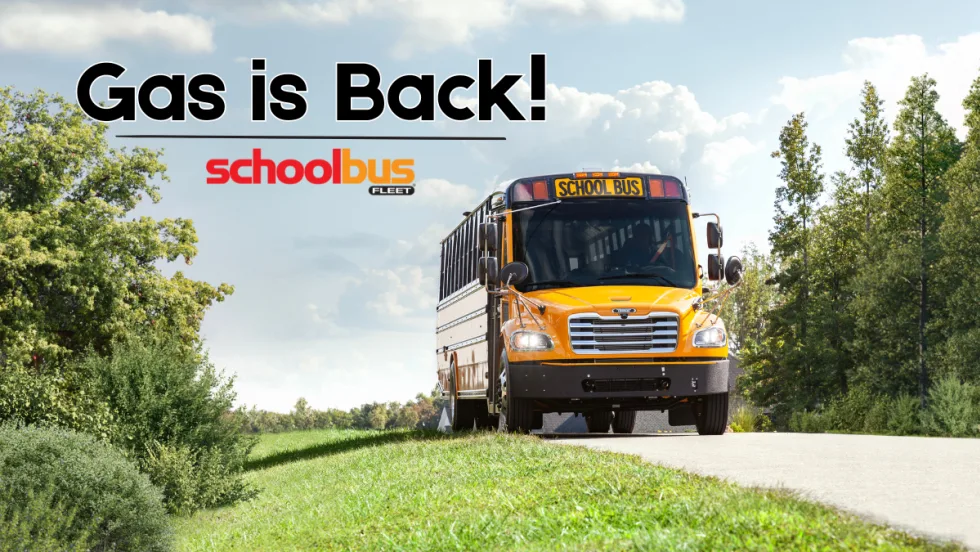
Why Gasoline School Buses Are Making a Comeback
Gasoline is gaining ground in full-size school buses. See how today’s options stack up against diesel on cost, maintenance, emissions, performance, and more.
Read More →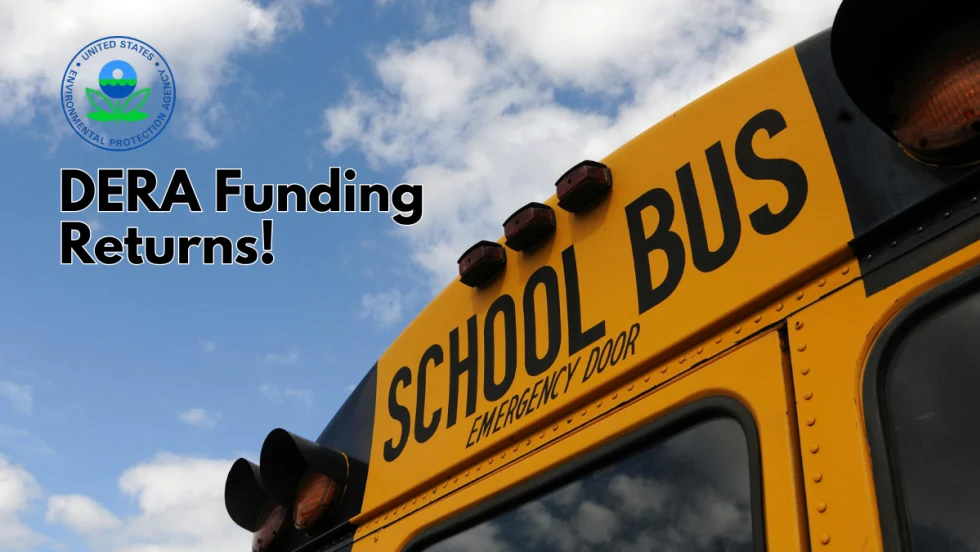
EPA Opens $180M DERA Funding Round for Diesel Upgrades
The 2026 Diesel Emissions Reduction Act program seeks applications from eligible organizations to accelerate the retirement of legacy diesel vehicles.
Read More →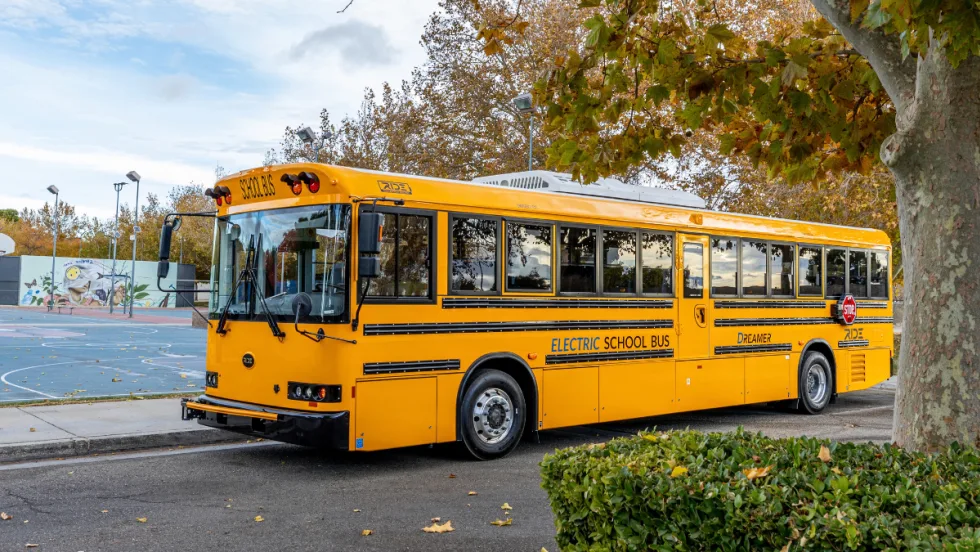
The Secret Life of an Electric School Bus Battery
Batteries change throughout years of daily routes, but degradation doesn’t necessarily mean the end. Here’s what operators should know about performance, safety, and second life.
Read More →
CALSTART and Forth Combine to Form Catalyst Mobility
The new name represents a renewed vision for the nonprofit focused on advancing clean, equitable, and affordable transportation solutions that move people and goods.
Read More →
Alt-Fuel Moves: New Buses, Charging Hubs & Real-World EV Testing
Propane and electric school bus deployments continue to grow as districts add new vehicles, expand charging infrastructure, and gather more real-world operating data.
Read More →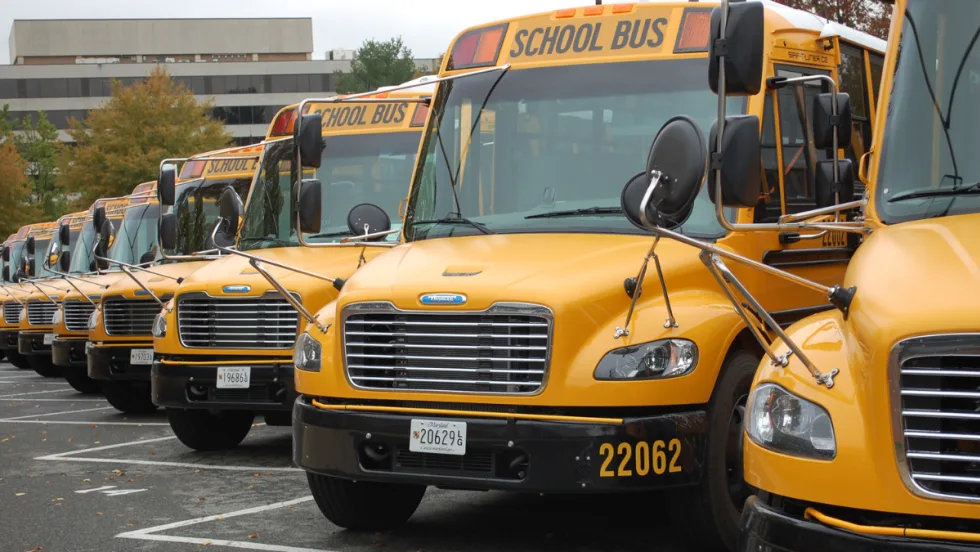
Fewer Electric School Bus Models Reshape the U.S. Market
WRI’s latest buyer’s guide points to a consolidating electric school bus market, but fewer options may reflect a maturing industry rather than fewer meaningful choices for school bus operators.
Read More →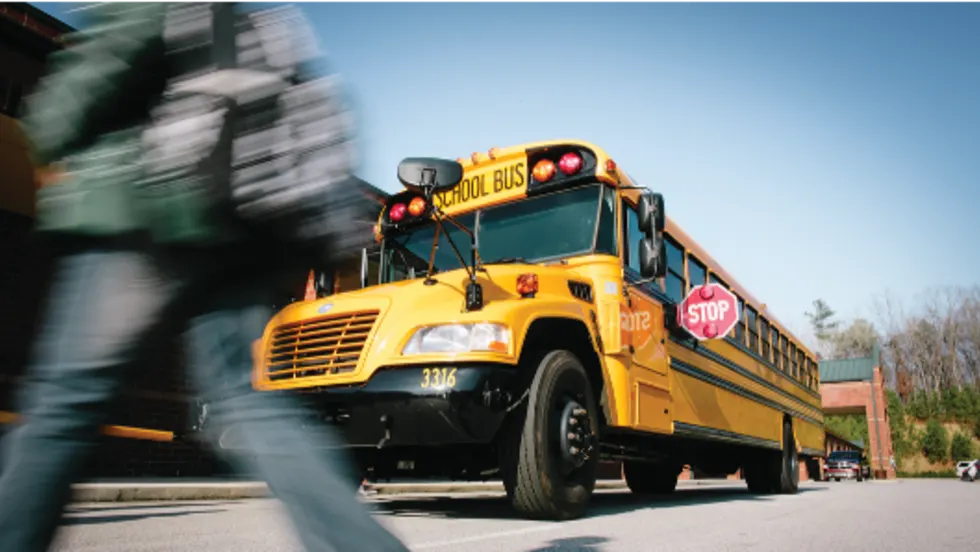
The Fuel Budget You Can Actually Predict: How Propane Autogas Keeps Money in the Classroom
Learn how propane autogas helps school districts manage fuel costs with predictable pricing, lower maintenance, and reduced emissions from former transportation director Joel Stutheit.
Read More →