




First Look at Thomas Built Buses' Second-Gen Jouley Electric School Bus
Peek at the next-generation of the Saf-T-Liner C2 Jouley here, with the scoop on its new tech, features, performance, and more.


In this iteration, the Jouley features new eAxle technology, which optimizes energy distribution and enhances overall vehicle efficiency.
Photo: Thomas Built Buses
Thomas Built Buses announced details of the launch of its second-generation Saf-T-Liner C2 Jouley battery-electric school bus.
Originally introduced in 2017 and now in the second iteration, the flagship electric bus incorporates customer-driven improvements and technological advancements.
The Accelera 14Xe eAxle & Increased Efficiency
At the core of the Jouley's update is the 14Xe eAxle from Accelera by Cummins. A compact, all-in-one power source, the 14Xe eAxle integrates the motor, two-speed transmission, disc brakes and rear-drive gear set into one package mounted on the rear axle. It removes the need for a traditional driveshaft, making the drivetrain lighter, more efficient, and reducing complexity. This design, coupled with Accelera’s ELFA inverter, delivers power directly to the wheels, enhancing acceleration and torque for a smoother ride.

The Accelera 14Xe eAxle from Cummins
Photo: Thomas Built Buses
More Performance Featuring the Proterra 800V Battery
The second-generation Jouley is also equipped with an 800-volt Proterra battery system that the OEM says improves startability, gradeability, and acceleration. The higher voltage along with the eAxle performs in diverse terrains, including hills and mountains. The upgrade supports the integration of additional components like air conditioning, heaters, and other essential features without compromising performance.
Streamlined Serviceability
Thomas Built says the streamlined design of the eAxle simplifies maintenance by reducing the number of moving parts and centralizing major components, which leads to lower service costs and improved uptime for school districts.
The improved Jouley electric school bus also features new 12-by-12-inch toe board floor access panel that allow direct access to high-voltage junction box connectors without removing the battery packs. The body heating loop surge tank has been relocated to the left side of the bus, providing even easier access and simplifying maintenance.
The enhancements are meant to streamline diagnostics and repairs.
New Wheelbase & LCD Display
The second-generation Jouley offers a new 219-inch wheelbase that accommodates up to 60 passengers. Accelera's eAxle enables shorter wheelbase architecture, improving maneuverability and making the bus ideal for navigating tight spaces and fitting into service bays.
Last but not least, the new Jouley's liquid-crystal display (LCD) digital dash supports a wider range of visual information, including crucial diagnostics and operational data, offering a more advanced and intuitive interface. Future updates can be implemented through software alone, enabling Thomas Built to provide ongoing technological enhancements without hardware changes.
“We are proud to introduce the second generation of our Saf-T-Liner C2 Jouley, a product that reflects our commitment to innovation, meeting the evolving needs of our customers and driving the future of sustainable student transportation,” said T.J. Reed, president and CEO of Thomas Built Buses. “With features that enhance efficiency, performance and serviceability, the new Jouley delivers unmatched value for both current electric bus operators and new adopters who are ready to embrace cleaner, smarter solutions.”
Production of the second-generation Jouley in the 219-inch wheelbase has already begun. Additional wheelbase options will be coming in 2025.
More Alternative Fuels
Bipartisan Bill Seeks to Extend Clean School Bus Program Through 2031
The proposed legislation would renew federal support for cleaner school buses as districts navigate funding uncertainty, rising fuel and infrastructure costs, and fleet replacement needs.
Read More →
Alt-Fuel Moves: Electric Bus Rollouts, Bidirectional Charging & Propane Growth
See which fleets are adding electric and propane school buses as districts and operators invest in charging infrastructure, bidirectional technology, and alternative-fuel expansion.
Read More →
Nobody Told Diesel Prices They Were Supposed to Come Down
With diesel prices surging, school bus fleets have new reason to stress-test fuel costs, consider diversification, and calculate what each route really costs to operate.
Read More →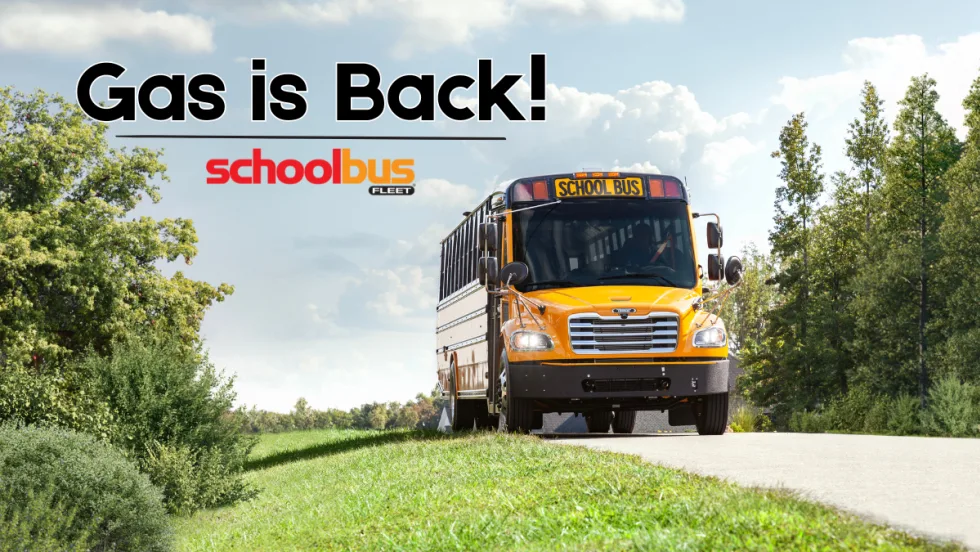
Why Gasoline School Buses Are Making a Comeback
Gasoline is gaining ground in full-size school buses. See how today’s options stack up against diesel on cost, maintenance, emissions, performance, and more.
Read More →
EPA Opens $180M DERA Funding Round for Diesel Upgrades
The 2026 Diesel Emissions Reduction Act program seeks applications from eligible organizations to accelerate the retirement of legacy diesel vehicles.
Read More →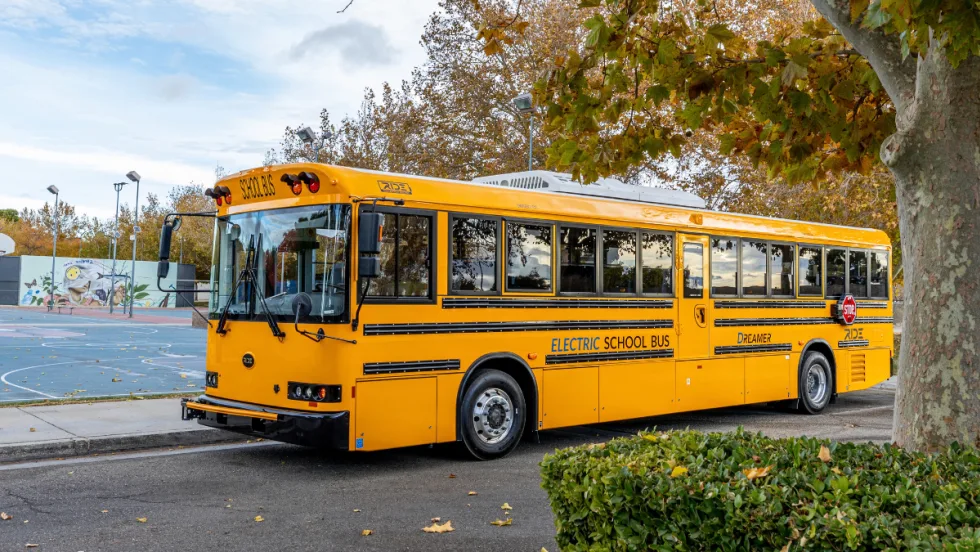
The Secret Life of an Electric School Bus Battery
Batteries change throughout years of daily routes, but degradation doesn’t necessarily mean the end. Here’s what operators should know about performance, safety, and second life.
Read More →
CALSTART and Forth Combine to Form Catalyst Mobility
The new name represents a renewed vision for the nonprofit focused on advancing clean, equitable, and affordable transportation solutions that move people and goods.
Read More →
Alt-Fuel Moves: New Buses, Charging Hubs & Real-World EV Testing
Propane and electric school bus deployments continue to grow as districts add new vehicles, expand charging infrastructure, and gather more real-world operating data.
Read More →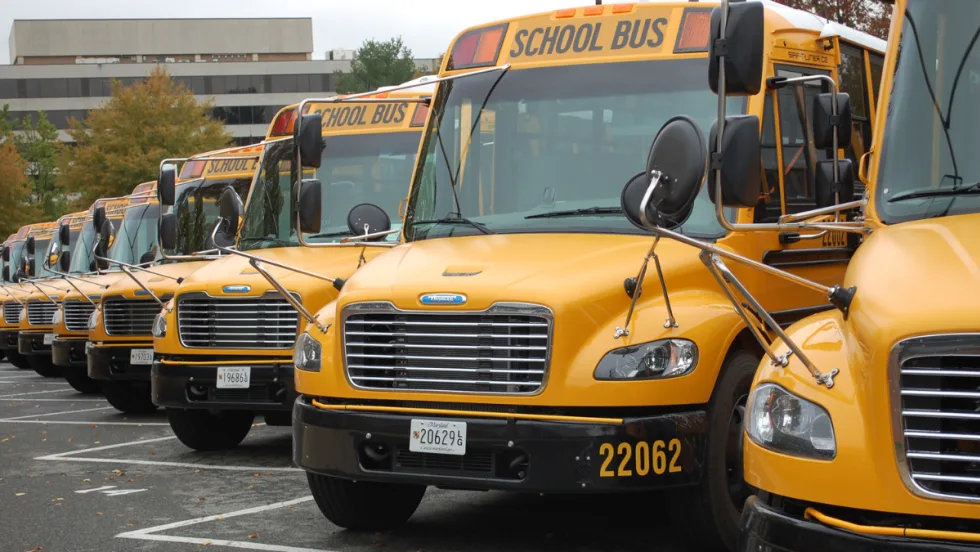
Fewer Electric School Bus Models Reshape the U.S. Market
WRI’s latest buyer’s guide points to a consolidating electric school bus market, but fewer options may reflect a maturing industry rather than fewer meaningful choices for school bus operators.
Read More →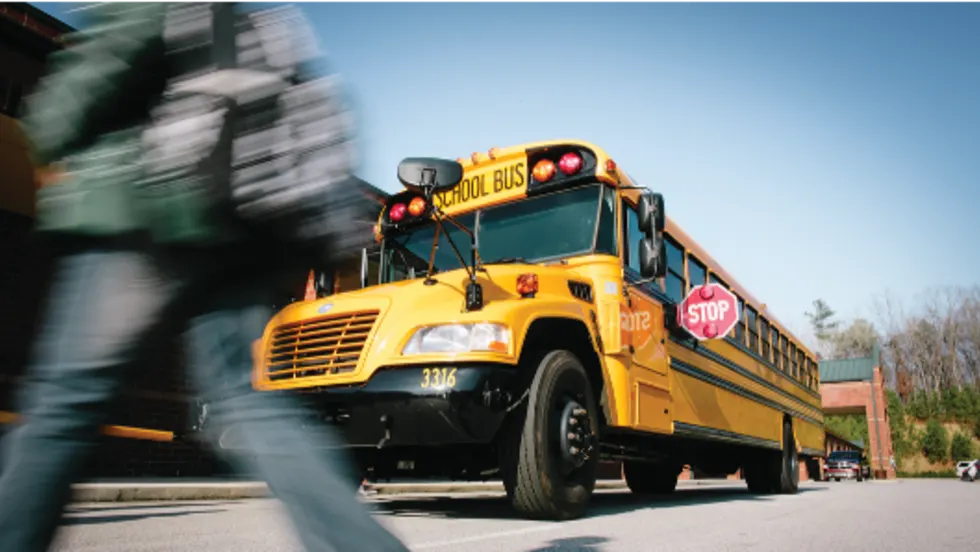
The Fuel Budget You Can Actually Predict: How Propane Autogas Keeps Money in the Classroom
Learn how propane autogas helps school districts manage fuel costs with predictable pricing, lower maintenance, and reduced emissions from former transportation director Joel Stutheit.
Read More →