

In Case You Missed It: GreenPower's Fiscal Second Quarter Report
GreenPower Reports $12.8M, 101 Vehicle Deliveries in Fiscal Q3
Vancouver-based GreenPower Motor Co. saw a 140% increase in revenue over last quarter. The company makes school buses, but much of the revenue came from its EV Star Cargos and EV Star commercial vehicles.
by SBF Staff
February 14, 2023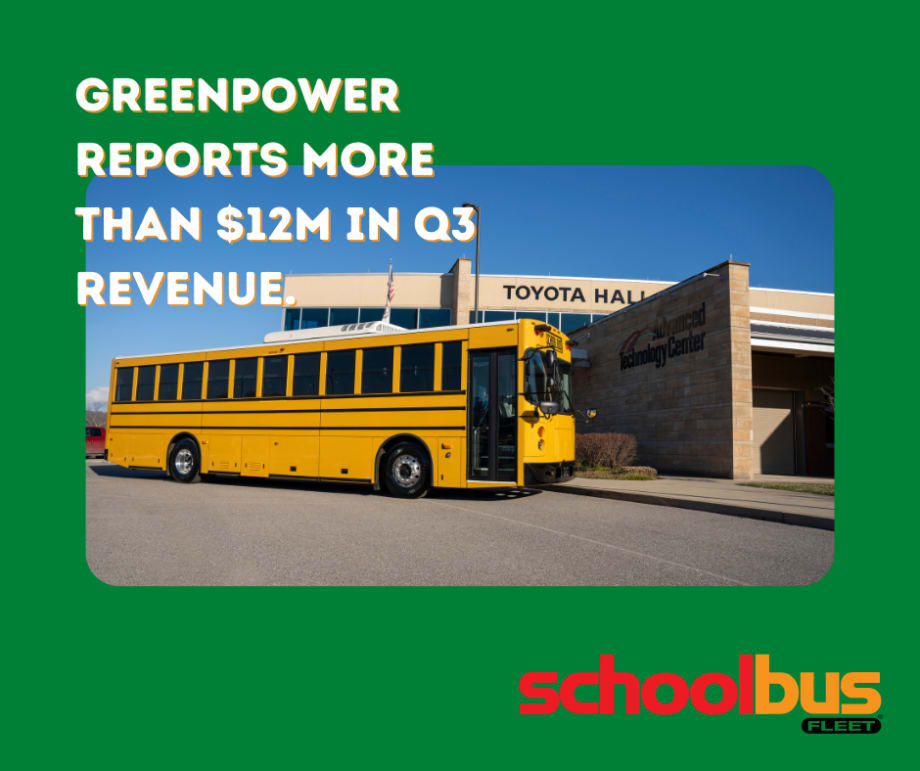
GreenPower expects to focus production on the Type D BEAST all-electric school bus when the company's new West Virginia plant starts operating this year.
Image: Canva/GreenPower Motor Co.
3 min to read
GreenPower Motor Co. (NASDAQ: GP), a manufacturer of all-electric, zero-emission medium and heavy-duty cargo and delivery, shuttle, transit, and school vehicles, on Feb. 14 reported revenues of about $12.8 million for the company's fiscal third quarter. That's a 140% increase over the previous year's third quarter, company officials said.
The company delivered 101 vehicles during the quarter, which ended on Dec. 31, 2022. Most of the deliveries were EV Star Cab and Chassis, as well as EV Star Cargos, EV Stars, and the first delivery of the Nano BEAST Type A school bus.
"The quarter was record-setting in all aspects for GreenPower," said Fraser Atkinson, GreenPower chairman and CEO. "In addition to realized revenue, GreenPower had more than $12 million of deferred revenue at the end of the third quarter, the majority of which we expect to recognize over the next 12 months, further accelerating our revenue growth."
At quarter's end, GreenPower held $46.2 million in inventory, including $34.6 million in finished goods inventory that is expected to be used to fulfill existing customer orders. Said Atkinson: "Utilizing our current inventory and with continued increase in production, GreenPower is on track for this quarter to exceed last quarter's record delivery of 101 vehicles. We are working on more than 30 deals in eight states for our BEAST and Nano BEAST school buses with deliveries for the first of these also utilizing current inventory."
Subsequent to the end of the third quarter, GreenPower raised more than $3.5 million from its at-the-market equity program (ATM). The funds raised through the ATM are supporting GreenPower's continued growth and the net proceeds benefit the production of GreenPower's purpose-built, all-electric vehicles as well as for product development with the remainder for general corporate purposes.
Brendan Riley, president of GreenPower, reported during an investor call that the company's new West Virginia facility is almost ready to start production of school buses, starting with a focus on the Type D BEAST electric school bus.
Atkinson acknowledged that GreenPower had planned to focus on the Type A Nano BEAST school bus, but the Type D "is the product that we are most engaged with in the market today." The company anticipates the capability of building as many as 60 school buses per month. The school transportation market is proving slower to wrangle, he noted, because so many stakeholders are involved in the purchase process. On the upside, funding programs such as the rebates offered by the Environmental Protection Agency come with deadlines that may help motivate customers in the school market.
Riley noted that GreenPower has run three pilot projects so far in West Virginia, demonstrating electric buses throughout the state in different regions and under varying environmental conditions.
On the corporate side, GreenPower announced the appointment of Claus Tritt to head the company's commercial vehicle group, develop the sales team, and expand the dealer network nationwide.
"Bringing Claus on board allows GreenPower to provide more focus on all-electric, purpose-built truck sales in the coming quarters," Riley said, adding that Tritt will develop plans for the full integration of Lion Truck Body components into GreenPower commercial vehicles. "GreenPower is geared up to be the full-service provider for its customers for both the goods and services necessary to successfully electrify their fleets."
More Alternative Fuels
Bipartisan Bill Seeks to Extend Clean School Bus Program Through 2031
The proposed legislation would renew federal support for cleaner school buses as districts navigate funding uncertainty, rising fuel and infrastructure costs, and fleet replacement needs.
Read More →
Alt-Fuel Moves: Electric Bus Rollouts, Bidirectional Charging & Propane Growth
See which fleets are adding electric and propane school buses as districts and operators invest in charging infrastructure, bidirectional technology, and alternative-fuel expansion.
Read More →
Nobody Told Diesel Prices They Were Supposed to Come Down
With diesel prices surging, school bus fleets have new reason to stress-test fuel costs, consider diversification, and calculate what each route really costs to operate.
Read More →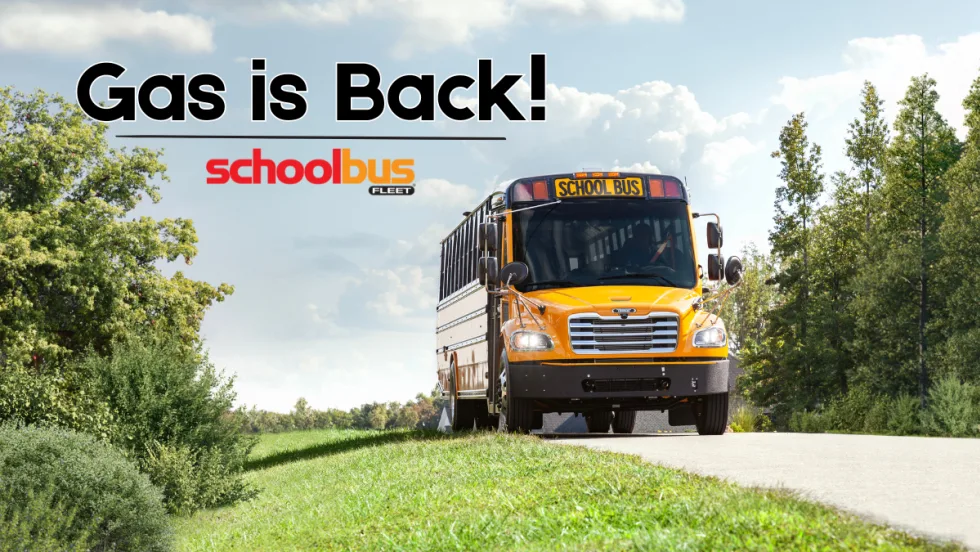
Why Gasoline School Buses Are Making a Comeback
Gasoline is gaining ground in full-size school buses. See how today’s options stack up against diesel on cost, maintenance, emissions, performance, and more.
Read More →
EPA Opens $180M DERA Funding Round for Diesel Upgrades
The 2026 Diesel Emissions Reduction Act program seeks applications from eligible organizations to accelerate the retirement of legacy diesel vehicles.
Read More →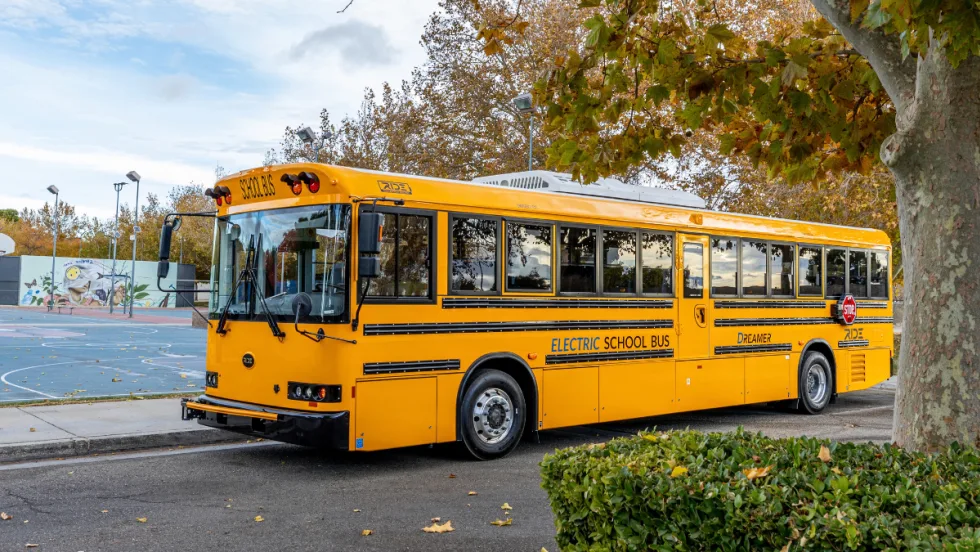
The Secret Life of an Electric School Bus Battery
Batteries change throughout years of daily routes, but degradation doesn’t necessarily mean the end. Here’s what operators should know about performance, safety, and second life.
Read More →
CALSTART and Forth Combine to Form Catalyst Mobility
The new name represents a renewed vision for the nonprofit focused on advancing clean, equitable, and affordable transportation solutions that move people and goods.
Read More →
Alt-Fuel Moves: New Buses, Charging Hubs & Real-World EV Testing
Propane and electric school bus deployments continue to grow as districts add new vehicles, expand charging infrastructure, and gather more real-world operating data.
Read More →
Fewer Electric School Bus Models Reshape the U.S. Market
WRI’s latest buyer’s guide points to a consolidating electric school bus market, but fewer options may reflect a maturing industry rather than fewer meaningful choices for school bus operators.
Read More →
The Fuel Budget You Can Actually Predict: How Propane Autogas Keeps Money in the Classroom
Learn how propane autogas helps school districts manage fuel costs with predictable pricing, lower maintenance, and reduced emissions from former transportation director Joel Stutheit.
Read More →