




NTSB: Driver Medical Event Caused Fatal Alabama Charter Bus Crash
A National Transportation Safety Board report states that the fatal 2018 crash that killed the bus driver and injured several passengers was caused by the driver suffering from an unknown medical event.

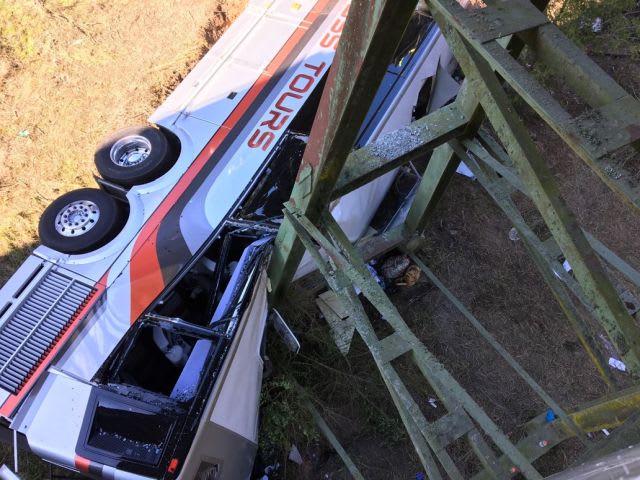
An NTSB report states that a fatal 2018 Alabama charter bus crash that killed the bus driver and injured several passengers was caused by the driver suffering from an unknown medical event. Photo courtesy Alabama DOT
An NTSB report states that a fatal 2018 Alabama charter bus crash that killed the bus driver and injured several passengers was caused by the driver suffering from an unknown medical event. Photo courtesy Alabama DOT
WASHINGTON, D.C. — A recent report from the National Transportation Safety Board (NTSB)
has revealed that a fatal charter bus crash in Alabama in 2018 was caused by the driver suffering from a medical event.
As SBF previously reported, the bus was one of two that were transporting Texas students home from a trip to Walt Disney World in Orlando, Florida, on March 13. It drove into the median and then off the road and plunged 50 feet into a ravine, killing the bus driver, Harry Caligone, and injuring several students and other passengers. One person suffered critical injuries. A total of 46 people were aboard the bus.
The buses, operated by Houston-based charter bus company First Class Tours, were carrying students from Channelview High School, who had given a band performance at the amusement park.
According to the NTSB’s report, Caligone, 65, was driving westbound on Interstate 10 near Loxley, Alabama. At the crash location, I-10 is a four-lane divided highway with a posted speed limit of 70 mph. The eastbound and westbound lanes are divided by an earthen center median. The weather conditions were reported as dry and clear, states the report, which was released on May 19.
The crash event began when the 2018 Prevost motorcoach departed the westbound lanes at an angle of about 5 degrees, crossed the center median, traveled across the opposing eastbound travel lanes and onto the far eastbound shoulder. It struck the guardrail adjacent to the south shoulder of the roadway, according to the report. The guardrail redirected the motorcoach, which went back across the eastbound travel lanes and returned to the center median.
NTSB investigators confirmed through interviews that the driver was unresponsive when the charter bus departed the westbound roadway and first entered the center median and that he remained unresponsive throughout the crash sequence, according to the report.
The report also points to Caligone's history of high blood pressure as a possible factor, and notes that after his most recent CDL medical exam, his medical certificate was restricted to three months.
The NTSB has determined that the probable cause of the bus’s departure from the roadway and crash into the ravine was Caligone's incapacitation due to an unknown medical event, according to its report.
"Although the circumstances of the crash are consistent with sudden driver incapacitation due to a medical event, the exact cause of the driver’s incapacitation could not be determined from the available evidence," the report states.
More Safety
North Carolina Student Killed While Boarding School Bus, Two Die in Utah Bus Crash
A Southern Nash High School student died after being struck by a pickup truck while approaching her school bus. In a separate incident, two people were killed after crashing into a school bus in Utah.
Read More →
Minneapolis School Zone Pilot Cuts Speeding 41% with Low-Cost Street Design Changes
In a pilot project in Minnesota, two school-area intersections had low-cost, temporary road and traffic flow improvements made to measure the impact on roadway and student safety. Here's what they found.
Read More →
Sitestream, Safety Vision Partner with Connecticut City to Launch School Bus Stop-Arm Camera Program
The new enforcement initiative combines camera technology and violation management software to document illegal school bus passing, encourage driver compliance, and enhance student safety.
Read More →
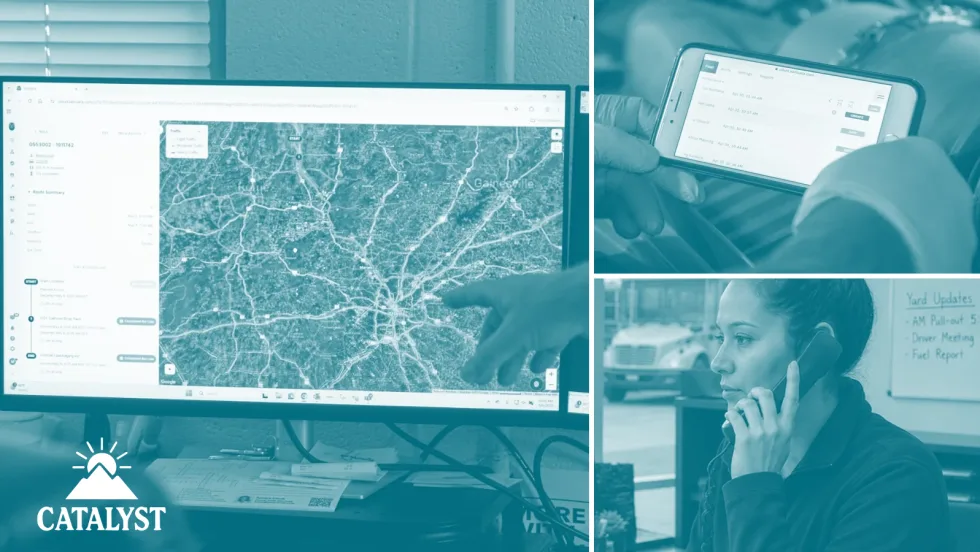
From Reactive to Proactive: Making Every Ride Visible
Smart technology only delivers its full value when it works together. See how Catalyst connects proven industry platforms to move student transportation from reactive to proactive.
Read More →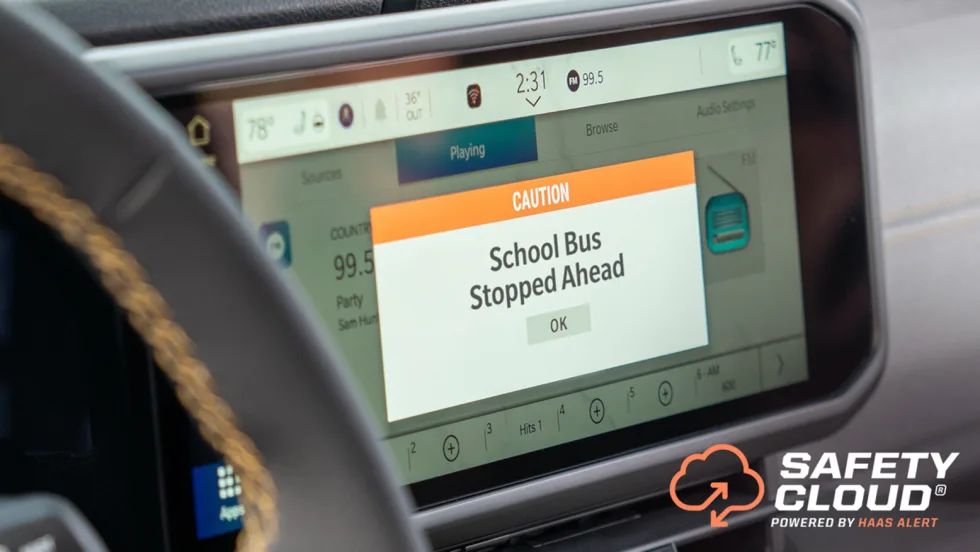
HAAS Alert’s Safety Cloud Warns Motorists of Stopped School Buses
Through a transponder or Samsara connection, the product lets school bus fleets send advance warnings to approaching drivers through in-vehicle alerts.
Read More →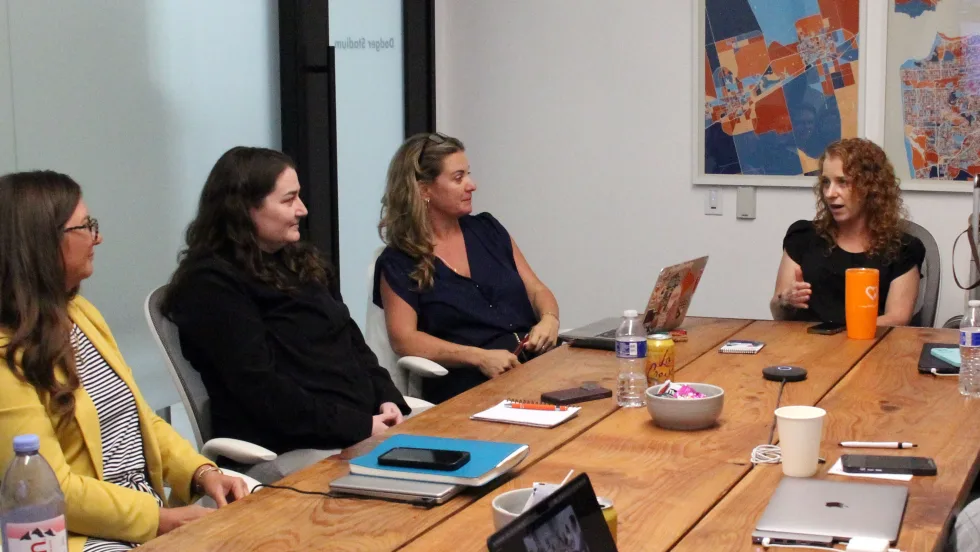
HopSkipDrive Reports Progress on Safety Advisory Council
More than a year after forming the council, independent safety experts have helped shape new rider-safety features and policy progress, with a new goal to address rider behavior.
Read More →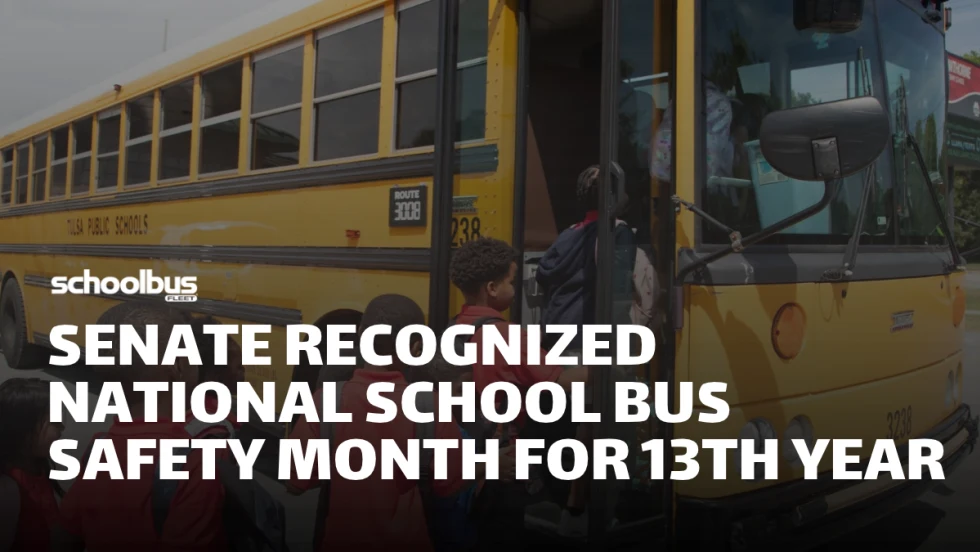
What the 2026 National School Bus Safety Month Resolution Means for Student Transportation
The bipartisan resolution highlights illegal school bus passing, student safety during loading and unloading, and the need for driver training and public education.
Read More →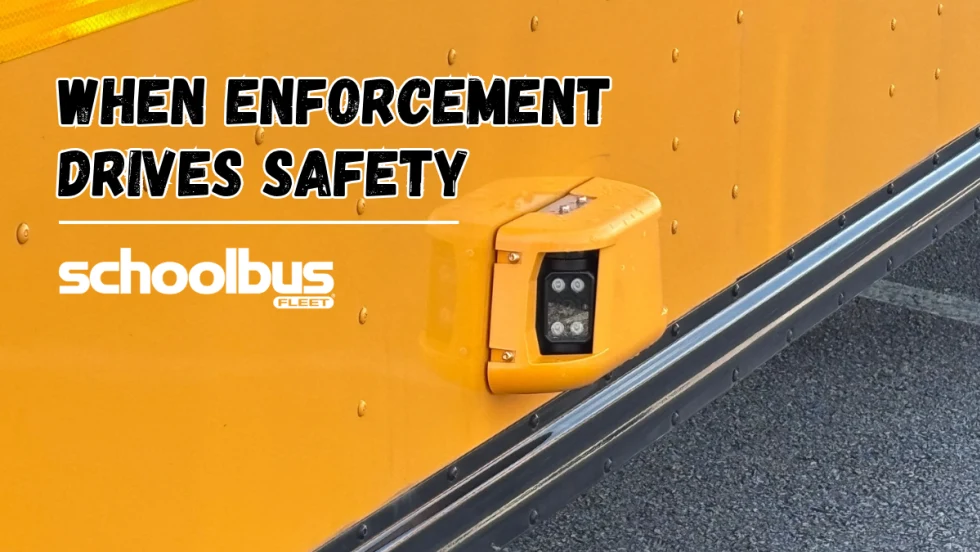
School Bus Stop-Arm Violations Decline 53% Across Verra Mobility Programs
Verra Mobility shares how school bus stop-arm cameras and school zone safety programs are changing driver behavior, reducing violations, and protecting students.
Read More →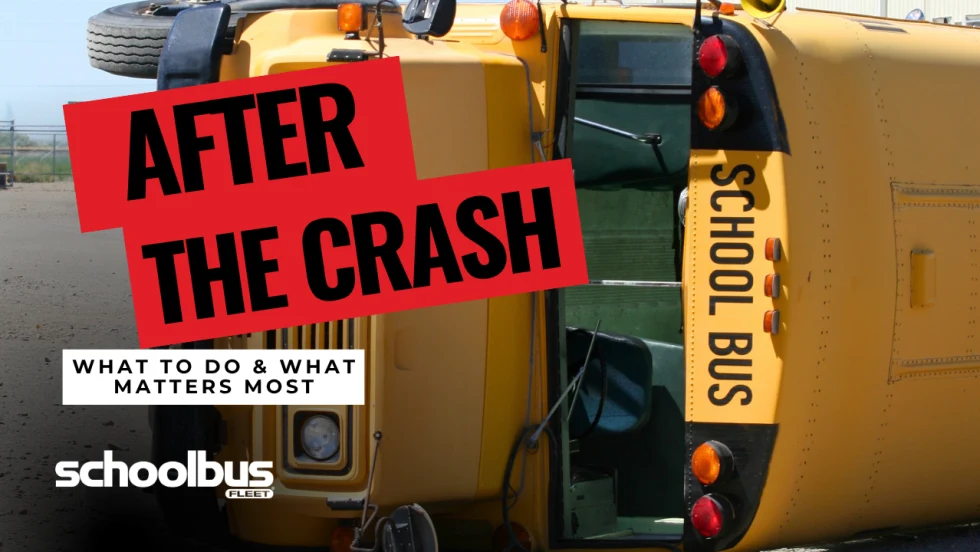
Most Bus Crashes Aren’t Your Fault. Here’s How to Prove It.
A guide for what to do in between a school bus crash and a claim: what to preserve, who to notify, and how to keep the facts available when they matter.
Read More →
National School Bus Safety Week 2026: Tips, Toolkits & Resources to Keep Students Safe
School bus safety takes more than awareness. Explore expert tips, enforcement strategies, and free resources to help protect students on every ride.
Read More →