




Headquarters: Fridley, Minnesota
Vehicles in fleet: Over 300
Fleet mix: IC Bus, Thomas Built Buses
Fueling mix: Diesel, CNG
Service area: Metropolitan Twin Cities area
Routes serviced daily: Over 400
Drivers: 275 and 125 contracted
Staff members: 30
Students transported daily: Over 15,000
From Cab Driver to CEO: An Ethiopian Immigrant's Drive for School Bus Success
Tashitaa Tufaa discovered a passion for driving and a need in Minneapolis for a dedicated school bus contractor. He now employs over 400 people as the CEO of student transportation company Metropolitan Transportation Network.
by Nancy Kirk, Editorial Assistant
June 26, 2017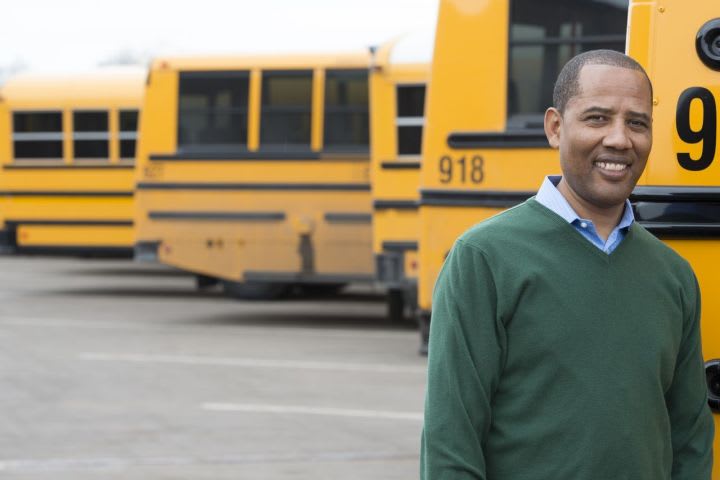
6 min to read
The transition from Ethiopian culture to that of the U.S. may have been drastic, but for Metropolitan Transportation Network (MTN) Inc. President and CEO Tashitaa Tufaa, an Ethiopian of the Oromo ethnic group who immigrated here in 1992, adjusting to baseball-consumed television and the occasional unrelenting Minnesota snowstorm was a small price to pay for a life of security.
“Let me put it this way: Whatever I did not have back in Ethiopia, I have it now through my freedom,” Tufaa says. “If you are free, then your mind is free, and you can use your talent wherever you want to go.”
While Tufaa’s talent eventually brought him to own and operate MTN — a school bus company based in Fridley, Minnesota, that provides student transportation for dozens of local public, private, and charter schools and owns more than 300 vehicles — the road to success was windy and unpaved. Although he majored in political science and diplomacy, he couldn’t legally work for the U.S. State Department because he wasn’t yet a U.S. citizen, so he started working a civil service job with the Minnesota government.
Tufaa’s drive to drive
Tufaa wasn’t earning enough to pay his mortgage, so he started working nights and weekends as a driver for Metro Mobility, a Minneapolis-area transportation provider for people with physical and mental disabilities. There, he discovered an unexpected passion.
“I fell in love with driving, really,” he says. “It’s very flexible and there’s fresh air, and instead of being in the office, you go to the parks and drive around with open windows. There are so many different things to love about it.”
Desiring more flexibility and hoping for higher pay, Tufaa left Metro Mobility and started driving a cab, where, he says, “I would drive drunk people from the bar, people coming from work, and everyone else.”
Despite his formal education and his urge to succeed, Tufaa struggled to hold these jobs. Unsatisfied with unsteady employment and energized with his newfound craving to get behind the wheel, Tufaa was determined to dive into the city of Osseo’s school transportation scene.
“In the summer of 2003, I started actually writing letters and delivering them to the school districts, offering them services that weren’t around,” Tufaa says. “Many of them made fun of me, but there was one transportation director who was willing to give me a chance because I had been bothering him so much.”
“We put ourselves in our customers’ shoes, and we listen to the feedback we receive. As a result, people want to do business with us, and we don’t turn our backs.”
Tashitaa Tufaa, president and CEO, Metropolitan Transportation Network
Expanding the business
Because of his persistent effort, Tufaa was awarded a single opportunity to transport three homeless children to school with the van he owned, a task that he says he succeeded at, receiving no complaints. From there, the director started offering him more consistent work, and this one-time errand steadily matured into a full-blown company that he now conservatively estimates to be worth $35 million. Today, Tufaa employs over 400 people who transport more than 15,000 K-12 students to school every day across the Twin Cities metropolitan area.
“I did see a need here in the school bus industry for a contractor that was dedicated, that was doing business wholeheartedly,” he says.
Tufaa capitalized on this recognized need and founded MTN in 2004. More recently, MTN’s expanding customer base inevitably resulted in the need for a space about 30% larger than the existing one. The new facility is expected to be ready in July. The redevelopment will cost about $2.7 million and is being handled by Thor Companies, a real estate development and construction company that is also based in Fridley.
“It will have corporate offices, a break room where drivers can enjoy themselves, a fleet maintenance shop, and parking storage inside for the buses,” Tufaa says. “It’s a much better and newer space — a good image for both our customers and those who work here.”
The majority of updates will focus on the exterior site improvements, such as landscaping, a complete resurfacing of the asphalt parking lot, and enhancements to the security systems.
Top-notch equipment
Because the agency is responsible for the well-being of thousands of students, Tufaa says he ensures that each bus is equipped with top-notch technology, from two-way radios to GPS to surveillance camera systems.
“We want the maximum safety possible in all of our buses in order to protect the families and children that we service,” he says. “Safety is number one.”
He recounts an instance where a driver’s bus had broken down and hisradio had stopped working. Fortunately, the team realized it had broken down because of its lack of movement on the GPS system. Sure enough, upon physically locating the bus through the ground tracking system, Tufaa and his team found it immobile and were able to service it.
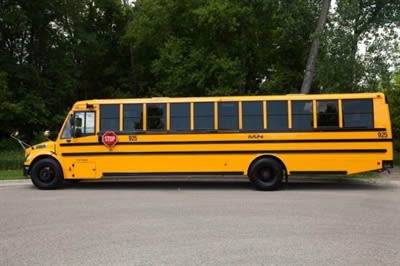
Because Metropolitan Transportation Network transports more than 15,000 students daily, Tufaa says he ensures each bus has quality safety equipment, such as two-way radios, GPS, and surveillance cameras.
Leadership style
Tufaa calls himself a “field guy,” meaning he does not like to remain in the office. In fact, despite MTN’s recent expansion, Tufaa decided not to build himself a personal office. Instead, he works in available desk spaces when necessary and still drives buses every day.
“I don’t want to be a guy who just stays inside. I want to be out there in the field,” he says. “I sit with the drivers and I listen to them. I listen to their stories in the morning and the afternoon, and then I drive the bus to see what the issue is. This way, instead of someone reporting to me, I see it firsthand.”
Tufaa attributes his leadership style to his perilous upbringing in Ethiopia. Because he spent many years of his life in danger, he’s able to more easily adapt to everyday business challenges.
“We put ourselves in our customers’ shoes, and we listen to the feedback we receive. As a result, people want to do business with us, and we don’t turn our backs,” he says. “In Ethiopia, I was raised in harm, and so it’s easier for me to understand where people come from, whether it’s with our customers or our employees.”
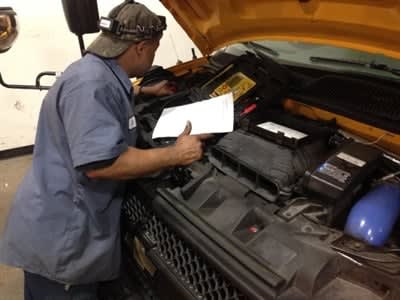
MTN is undergoing a $2.7 million expansion, which includes renovated corporate offices, a fleet maintenance shop, a break room, and parking inside for the buses.
Employee appreciation
Appreciation for MTN employees stands tall on Tufaa’s priorities as a business owner. Every year, the company holds an employee appreciation banquet where everyone, from the human resources team to the workshop mechanics, is invited to mingle with their peers, along with their plus-one.
“We want to show our employees that we value them,” Tufaa says. “We are a family, and the MTN family gets together once a year, every year, to enjoy this classy corporate-style dinner.”
Other MTN-planned gatherings that aim to boost company morale include a monthly bulletin that informs the team about company happenings and employee birthdays, as well as weekly prepared breakfast for drivers, blood drives, summer barbecues, and day trips to support the local pro baseball team at the Minnesota Twins stadium.
Sometimes the recognition goes beyond simple social events, like when Tufaa expressed his gratitude by naming a newly built site the Iverson Terminal, after the last name of a driver who had suddenly passed away.
“We named it after her because our drivers have an ownership in our company,” he says. “We don’t want to be just another corporation.”
Challenges, rewards
Tufaa’s triumph does not come without its challenges. As with school bus contractors and districts across the U.S., he has been affected by the widespread driver shortage, and he worries about Minnesota’s slippery roads in the winter. He’s also had to forgo significant family events in order to keep his business afloat, especially while it was just getting started.
“There are some things I’ve had to compromise to get where we are as a business, but as long as my wife and family understood me, that was all that mattered,” Tufaa recalls. “I had to work extremely long hours in the beginning, and sometimes it came down to paying the people who were working for me before being able to pay myself.”
Eventually, the achievements overcame the hardships, and now Tufaa and the whole MTN team work fervently to transport the community’s youth to their daily education.
“As a contractor, it’s important to love what you do,” he says. “I still drive, and I love taking those children to school.”
Subscribe to Our Newsletter
More Management

Changing Lanes: BusWhere, EverDriven, InterMotive, Summit School Services, Switzer-Carty & Thomas Built Buses
Check out who's been hired, promoted, and appointed to leadership positions at various school transportation suppliers, contractors, and manufacturers.
Read More →
The Most Expensive Thing You Do Before Selling a School Bus: Wait
When should you sell an aging school bus? Learn how maintenance, mileage, corrosion, specifications, and timing can affect resale value long before the auction.
Read More →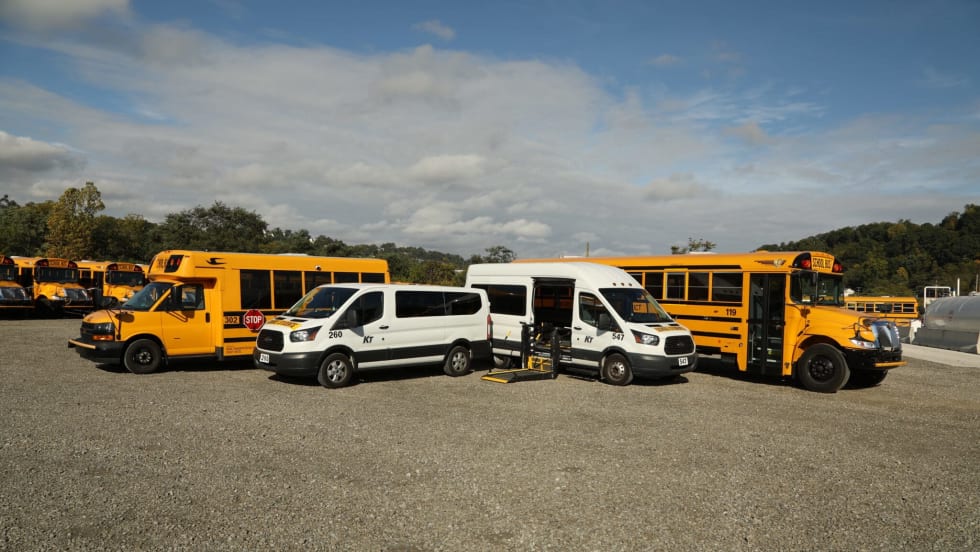
American Student Transportation Partners Acquires AJ Myers and Sons
A new deal brings a 75-year Pennsylvania student transportation provider into one of the nation’s largest private school bus contracting groups.
Read More →
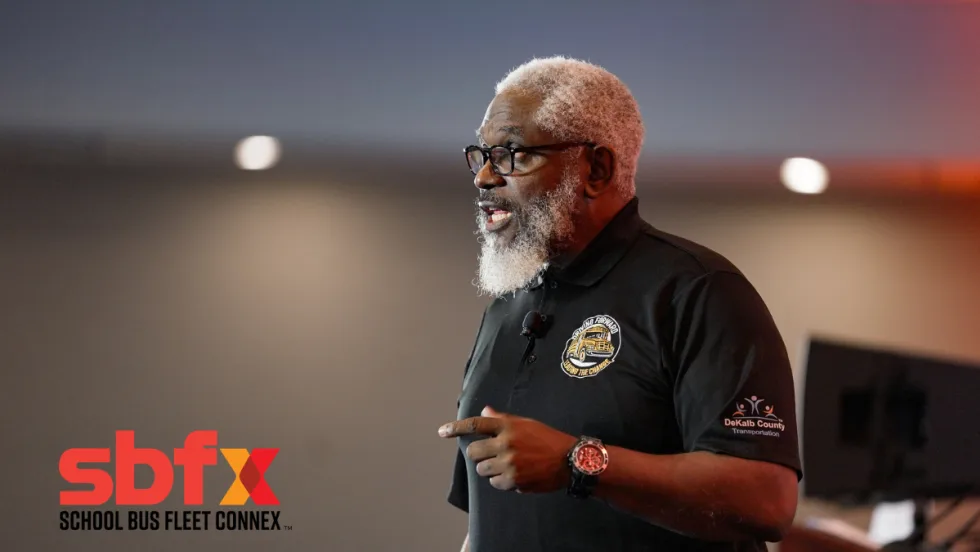
What I Brought Home From SBFX: Relationships, Leadership, and Preparing What's Next
Who could lead your transportation operation tomorrow if you couldn't? Bernando Brown explores succession planning, mentorship, and preparing emerging leaders to step up.
Read More →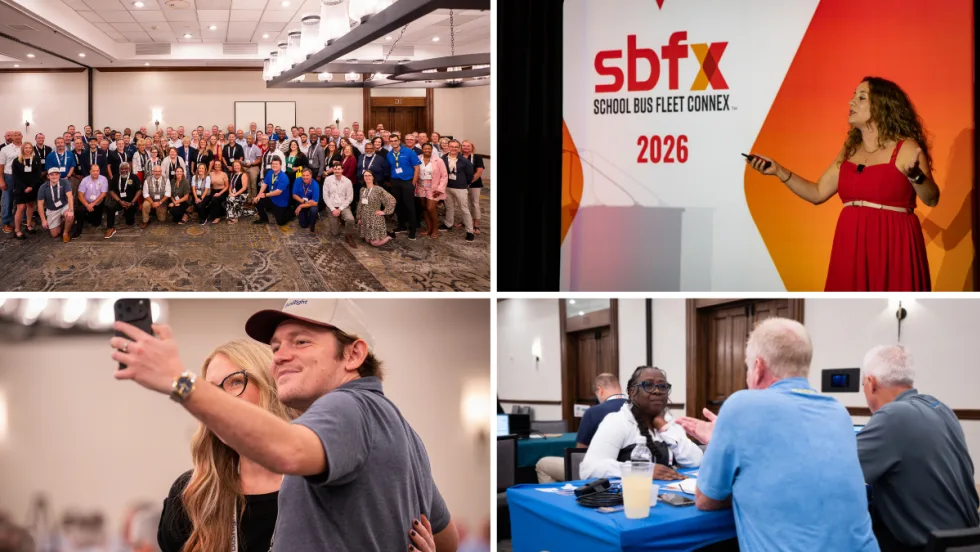
Inside School Bus Fleet ConneX 2026: Industry Leaders Connect in Scottsdale [Photos]
See highlights from SBFX 2026 in Arizona, where school bus operators and suppliers gathered for meetings, education, networking, awards, and more.
Read More →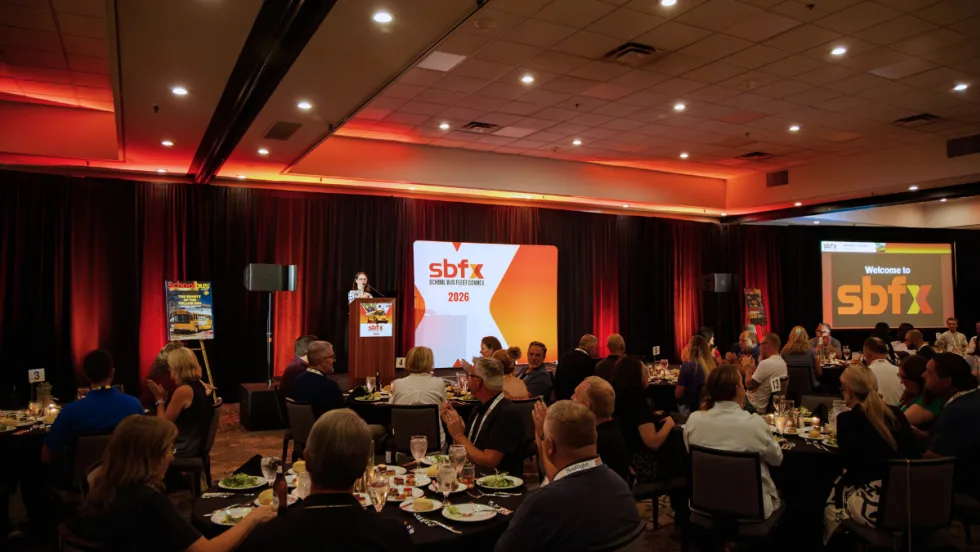
School Transportation’s Biggest Pressures and Opportunities: SBFX Attendees Weigh In
School bus operators point to rising costs, staffing, and vehicle prices as immediate pressures while identifying technology, training, and routing as opportunities for growth.
Read More →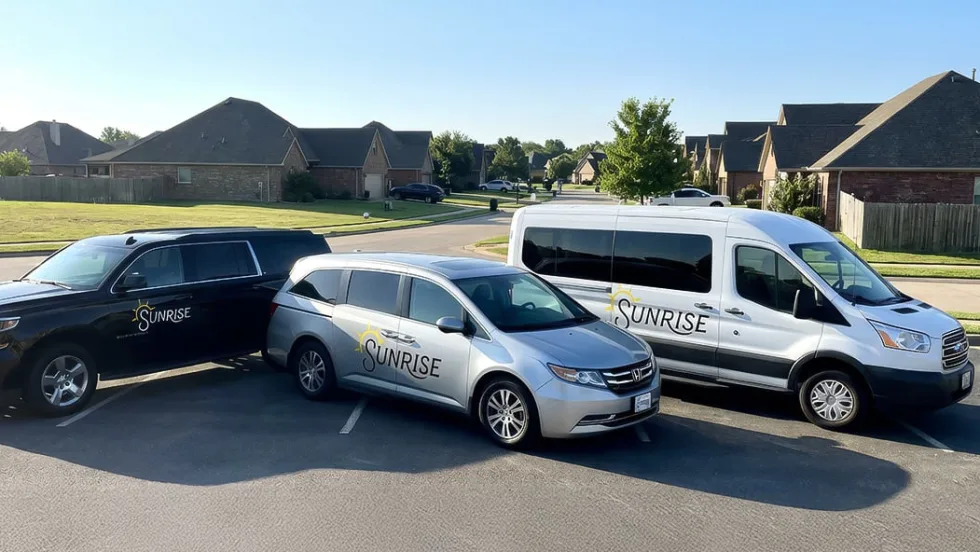
STA Acquires Sunrise Transportation
Student Transportation of America expands in Illinois and Connecticut through Sunrise's fleet of nearly 1,000 vehicles.
Read More →
EPA Opens $180M DERA Funding Round for Diesel Upgrades
The 2026 Diesel Emissions Reduction Act program seeks applications from eligible organizations to accelerate the retirement of legacy diesel vehicles.
Read More →
HopSkipDrive’s CareEngine Targets the ‘Exceptions’ in Student Transportation
The new platform works alongside districts’ existing transportation management systems to coordinate specialized rides, automate last-minute changes, and turn ride data into operational improvements.
Read More →
The Right Ride for Every Student: Navigating the New Student Transportation Ecosystem
How should districts blend school buses with small-vehicle transportation and other options? EverDriven CEO Mitch Bowling discusses safety, costs, partnerships, and strategy.
Read More →