


 MENU
MENU SEARCHMENUSEARCH
Loading data...

The NSTA believes the Federal Motor Carrier Safety Administration's proposal would offer very limited guidance on the safety record of some carriers and cause confusion.
Read More →
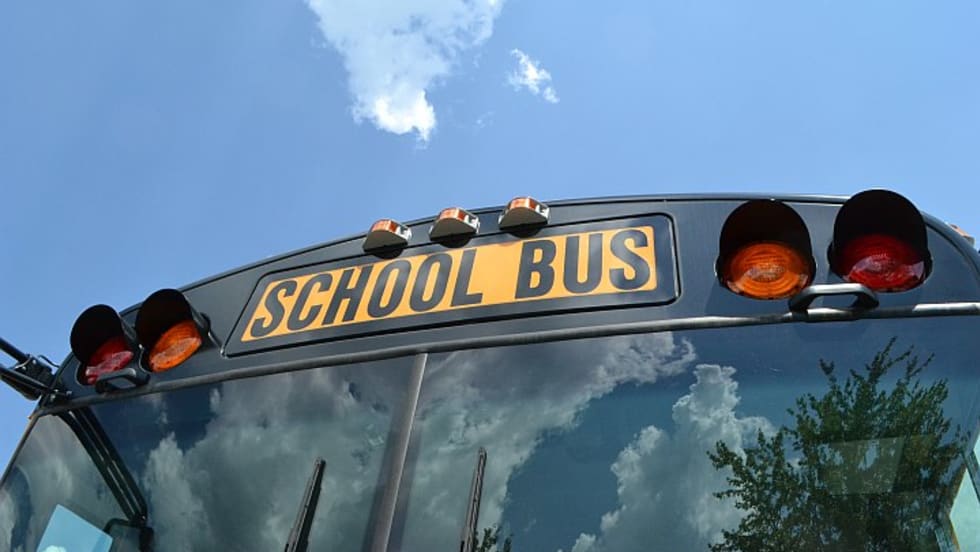


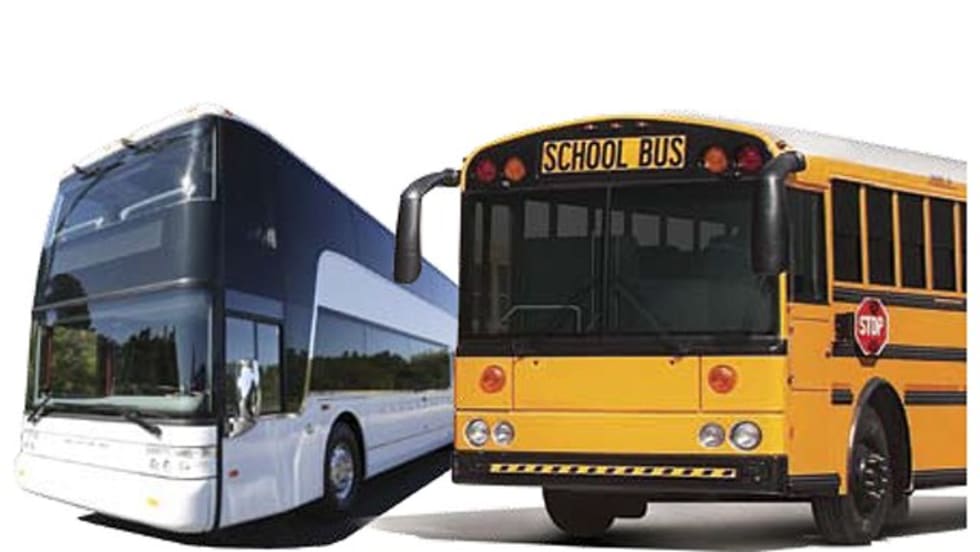




New commercial vehicles, including school buses, with a GVWR of more than 26,000 pounds would have to be equipped with devices that cap their speed.
Read More →FMCSA’s apparent plan to push forward on the safety fitness determination and then make corrections, if needed, will cause burdensome midstream changes, creating confusion and forcing additional training and expense.
Read More →If FMCSA decides to include the “S” endorsement requirements in a new federal mandate for entry-level commercial drivers, NAPT asks that states already meeting or exceeding the proposed requirements be exempt.
Read More →The provision, supported by the National School Transportation Association, addresses FMCSA’s Safety Fitness Determination proposal.
Read More →No one can argue the intent of this system. The problem is that some of the key methodologies and structural elements are misaligned and can misrepresent a carrier’s safety performance.
Read More →FMCSA’s proposal addresses prerequisite training for entry-level drivers of commercial vehicles, including school buses.
Read More →Several voluntary safety program best practices would be worthy of inclusion in a beyond compliance program. NSTA encourages FMCSA to utilize the performance metrics of preventable accidents, non-preventable accidents and Department of Transportation reportable crashes when measuring all programs.
Read More →We fully support ensuring that school bus transportation remains the safest form of transportation, but we cannot support significant new mandates on the industry without data showing that improved safety could be realized.
Read More →NSTA applauds the passage of the FAST Act, which advances many of the school bus contractor group’s priorities.
Read More →