




What is obstructive sleep apnea?
"OSA is a respiratory disorder characterized by a reduction or cessation of breathing during sleep coupled with symptoms such as excessive daytime sleepiness."
NSTA Advocacy in Action — Obstructive Sleep Apnea: Why Our Voice Matters
We fully support ensuring that school bus transportation remains the safest form of transportation, but we cannot support significant new mandates on the industry without data showing that improved safety could be realized.
by Ronna Weber
February 4, 2016
Ronna Weber is executive director of the National School Transportation Association.
3 min to read

Ronna Weber is executive director of the National School Transportation Association.
On April 20, 2012, the Federal Motor Carrier Safety Administration (FMCSA) issued guidance on obstructive sleep apnea (OSA). A week later, FMCSA rescinded that guidance.
The guidance came as a surprise to the industry. As of that point, it wasn’t apparent that OSA was a safety concern for school transportation.
The National School Transportation Association (NSTA) met with then FMCSA Administrator Anne Ferro and her senior staff. NSTA asked for school bus industry data relevant to OSA. FMCSA admitted they did not have data specific to our industry, but remained convinced OSA was a public health concern.
NSTA believed the issue would be more appropriately handled through the formal rulemaking process — rather than through guidance. Under the formal rulemaking process, all parties have the ability to offer comments and questions, which must then be addressed by the agency. In addition, the rulemaking process requires a cost-benefit analysis, which ensures that the proposal is economically viable to the industry it affects. In essence, the safety benefit of the proposal must outweigh the cost of the proposal.
When it became clear that FMCSA was committed to pursuing guidance despite the concerns we raised, NSTA went to Capitol Hill to seek congressional support. Congressman Tom Petri (R-Wis.) was the first to champion a bipartisan congressional letter to FMCSA in September 2013 urging the use of the rulemaking process for any consideration of OSA screening, testing and treatment due to the significant economic impact of the issue on the school transportation industry. Twenty-one other members of Congress joined Petri on the letter.
Despite the letter, FMCSA continued to pursue guidance. NSTA then reached out to other trade associations with similar concerns and formed a sleep apnea coalition. Through the efforts of NSTA and the coalition, in October 2013, Congress passed legislation prohibiting FMCSA from implementing screening, testing or treatment requirements for OSA unless they are adopted through the formal rulemaking process.
But the battle wasn’t over. A year later, in October 2014, following reports that organizations providing training for certified medical examiners (CMEs) were circumventing the recently passed congressional legislation, congressmen Larry Bucshon and Dan Lipinski wrote to then acting FMCSA Administrator Scott Darling asking FMCSA to address this issue as soon as possible.
In response, in January 2015, FMCSA issued guidance reminding healthcare professionals of the current physical qualification standard and advisory criteria concerning the respiratory system and specifically how the requirements apply to drivers that may have OSA.
According to the guidance, “the current regulations and advisory criteria do not include guidelines concerning OSA screening, diagnosis and treatment. Medical examiners should rely upon their medical training and expertise in determining whether a driver exhibits symptoms and/or multiple risk factors for OSA, and they should explain to the driver the basis for their decision if the examiner decides to issue a medical certificate for a period of less than two years to allow for further evaluation, or to deny a driver the medical certificate.”
Recently, FMCSA and the Federal Railroad Administration announced their plan to jointly issue an advance notice of proposed rulemaking (ANPRM) on this issue this winter. The ANPRM aims to gather information about the prevalence of moderate-to-severe OSA in the rail and commercial motor vehicle industries as well as the potential economic impact and safety benefits associated with undergoing evaluation and treatment. NSTA is watching closely for this ANPRM and will submit comments once it is issued.
NSTA will continue to be fully engaged to ensure that the industry’s voice is heard on this very important issue. We fully support ensuring that school bus transportation remains the safest form of transportation, but we cannot support significant new mandates on the industry without data showing that improved safety could be realized.
Subscribe to Our Newsletter
More Safety
Illegal School Bus Passing Drops 24% in New York Districts
With fewer than 5% of citations involving repeat offenders, Westchester County officials said enforcement, education, and community partnerships are helping change driver behavior.
Read More →
School's Back. Here's What Happened to Traffic, Speeding & Distraction
What happens to traffic when school resumes? New data analysis examines changes in distracted driving, congestion, and speeding around schools.
Read More →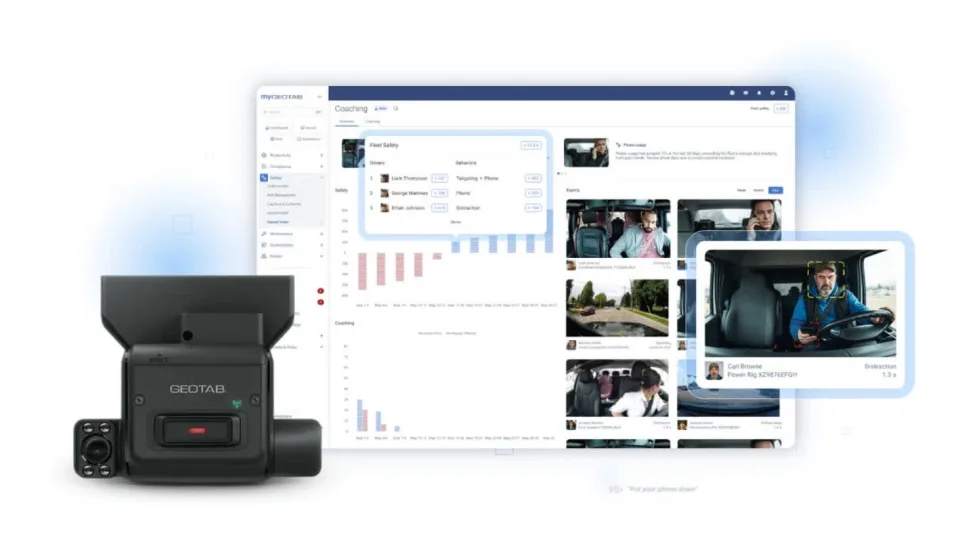
Geotab Expands Fleet Safety Tools With Video Coaching, Risk Insights
New safety and video capabilities aim to help fleet managers assess risk, support drivers, and take targeted action through video coaching, red-light violation detection, and more.
Read More →

How to Build a Better School Bus Driver Training Program
Is it time to strengthen your driver training? Here’s how to pick the right talent and improve recruitment, retention, and safety. This video is brought to you by IC Bus.
Read More →
Recent School Bus Accidents Leave 2 Dead, 2 Injured
Four school bus crashes in Florida, Illinois, and Georgia highlight risks in transportation lots, at bus stops, and during student loading and unloading.
Read More →
Sponsored•September 8, 2026
When Every Second Matters, Clarity Keeps Routes Moving
From routine delays to urgent incidents, strong communication practices help drivers, dispatchers, schools, and families respond with confidence.
Read More →
What Happens When a School Bus Catches Fire — and What Can Help
School bus fires are rare but can be devastating. Learn how advances in fire suppression and asset protection help fleets detect fires earlier, reduce damage, and improve safety.
Read More →
Geotab Launches Tool to Help Fleets Investigate Road Incidents
Geotab Investigations combines telematics data, video, documents, and other evidence to help fleets reconstruct incidents, resolve claims, and determine what happened.
Read More →
Texas Sixth Grader Wins 2026 National School Bus Safety Poster Contest
Sai Darshana Yekolu of Moseley Middle School in Prosper, Texas, was named the newest winner for her artwork, bringing the theme of “Safe Rides, Everyday Heroes” to life.
Read More →
Sponsored•August 27, 2026
Doing More With Less: How Transportation Directors Can Prioritize Safety Amid Budget Uncertainty
With diesel prices soaring and nearly one-third of transportation directors expecting budget cuts, maintaining student safety has never been more challenging. Download this guide to learn how leading districts are prioritizing risk, funding critical safety technology, and building stronger budget cases with data.
Read More →