




Addition to Appropriations Bill Prods Reforms to CSA Program
The provision, supported by the National School Transportation Association, addresses FMCSA’s Safety Fitness Determination proposal.


A provision that has been added to an appropriations bill in Congress addresses FMCSA’s Safety Fitness Determination proposal.

A provision that has been added to an appropriations bill in Congress addresses FMCSA’s Safety Fitness Determination proposal.
WASHINGTON, D.C. — A provision that addresses the Federal Motor Carrier Safety Administration's (FMCSA’s) Safety Fitness Determination proposal has been added to an appropriations bill in Congress.
The provision would prohibit FMCSA from using any funds to amend the regulations relating to Safety Fitness Determination for motor carriers until all reforms to the Compliance, Safety, Accountability (CSA) Program, as mandated by the FAST Act, are complete.
The National School Transportation Association (NSTA) applauded the move.
"NSTA and our member companies were one of the first to engage on this issue during our Spring Bus-In in March 2016, and we are pleased to see Congress listened to our concerns,” NSTA President Todd Monteferrario said.
“NSTA is committed to ensuring the safety of the carriers on the road every day, but any carrier evaluation must be based on fair and correct data,” NSTA Executive Director Ronna Weber added. “The FAST Act correctly directs FMCSA to make the necessary reforms to the CSA Program, and the Safety Fitness Determination proposal should not proceed until those corrections are made."
The bill was slated to be marked up in a subcommittee on Wednesday.
NSTA officials said that they would continue to work with committee members as the bill moves through the process.
More Management

The Most Expensive Thing You Do Before Selling a School Bus: Wait
When should you sell an aging school bus? Learn how maintenance, mileage, corrosion, specifications, and timing can affect resale value long before the auction.
Read More →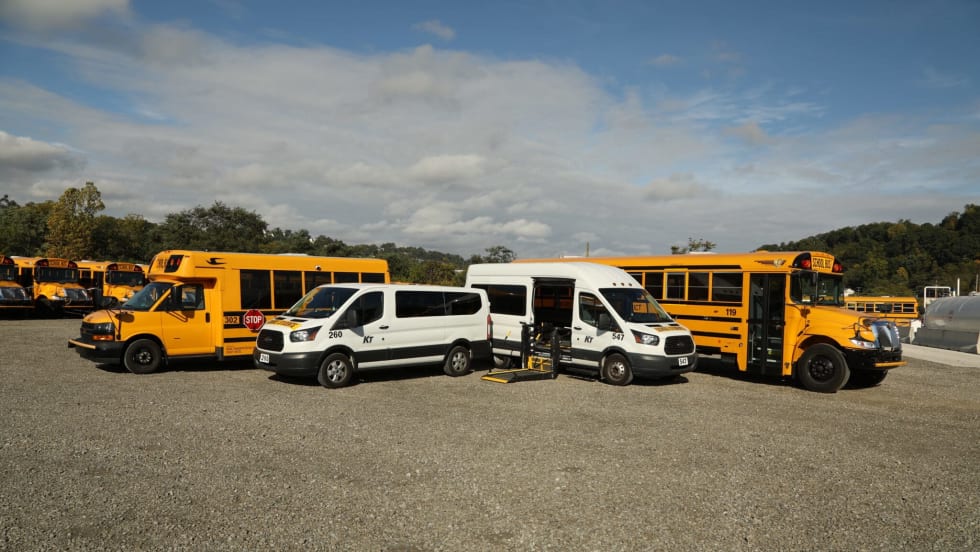
American Student Transportation Partners Acquires AJ Myers and Sons
A new deal brings a 75-year Pennsylvania student transportation provider into one of the nation’s largest private school bus contracting groups.
Read More →
What I Brought Home From SBFX: Relationships, Leadership, and Preparing What's Next
Who could lead your transportation operation tomorrow if you couldn't? Bernando Brown explores succession planning, mentorship, and preparing emerging leaders to step up.
Read More →
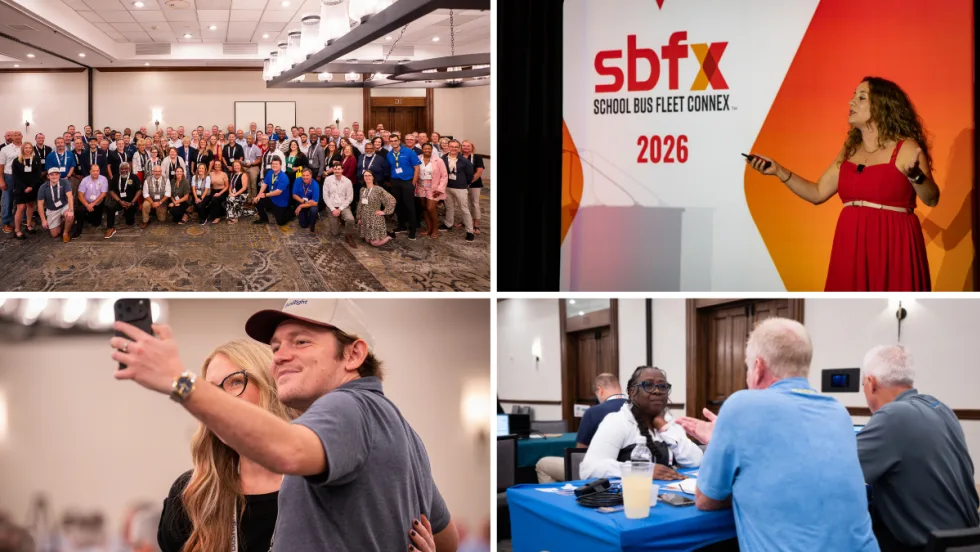
Inside School Bus Fleet ConneX 2026: Industry Leaders Connect in Scottsdale [Photos]
See highlights from SBFX 2026 in Arizona, where school bus operators and suppliers gathered for meetings, education, networking, awards, and more.
Read More →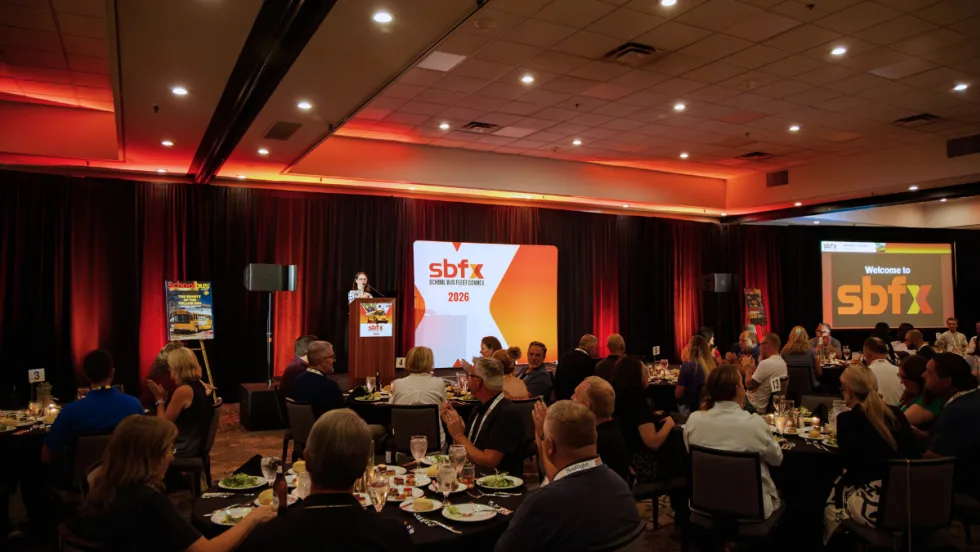
School Transportation’s Biggest Pressures and Opportunities: SBFX Attendees Weigh In
School bus operators point to rising costs, staffing, and vehicle prices as immediate pressures while identifying technology, training, and routing as opportunities for growth.
Read More →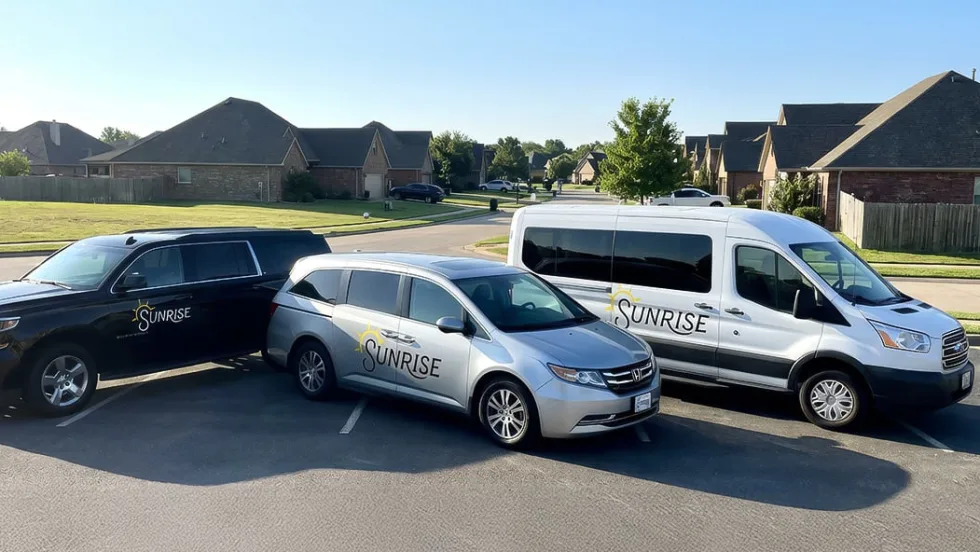
STA Acquires Sunrise Transportation
Student Transportation of America expands in Illinois and Connecticut through Sunrise's fleet of nearly 1,000 vehicles.
Read More →
EPA Opens $180M DERA Funding Round for Diesel Upgrades
The 2026 Diesel Emissions Reduction Act program seeks applications from eligible organizations to accelerate the retirement of legacy diesel vehicles.
Read More →
HopSkipDrive’s CareEngine Targets the ‘Exceptions’ in Student Transportation
The new platform works alongside districts’ existing transportation management systems to coordinate specialized rides, automate last-minute changes, and turn ride data into operational improvements.
Read More →
The Right Ride for Every Student: Navigating the New Student Transportation Ecosystem
How should districts blend school buses with small-vehicle transportation and other options? EverDriven CEO Mitch Bowling discusses safety, costs, partnerships, and strategy.
Read More →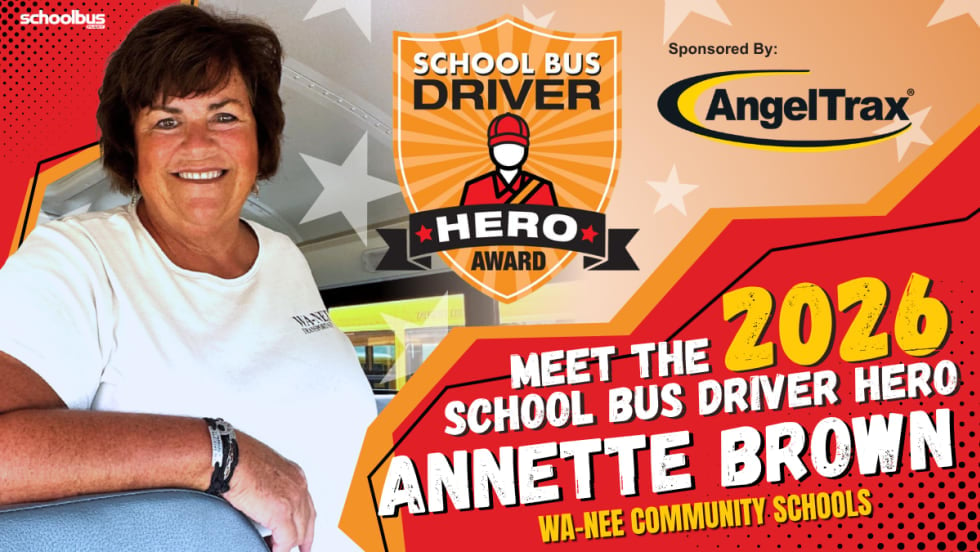
Annette Brown Always Takes the Extra Time: Meet Our 2026 School Bus Driver Hero
For more than 30 years, the Wa-Nee Community Schools driver has treated students like family, combining safety, compassion, and servant leadership to make a lasting difference on and beyond the school bus.
Read More →