




NSTA Advocacy in Action — CSA Score Viability and Usage
No one can argue the intent of this system. The problem is that some of the key methodologies and structural elements are misaligned and can misrepresent a carrier’s safety performance.
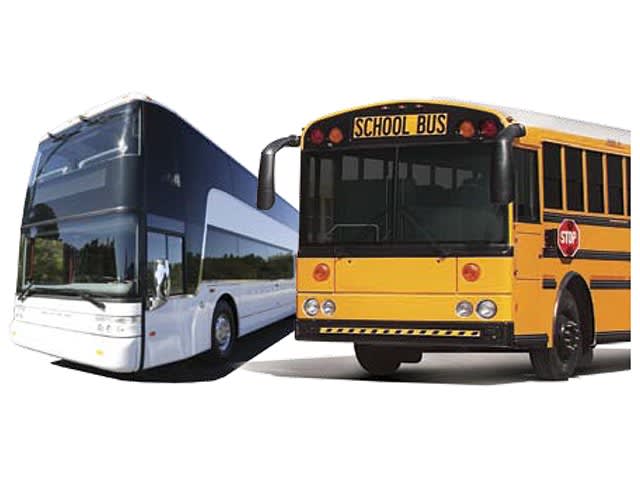
According to NSTA, truly measuring a carrier against its peers would only measure passenger carriers against passenger carriers and freight vehicles against freight vehicles.

Ronna Weber is the executive director of National School Transportation Association.
The Federal Motor Carrier Safety Administration (FMCSA) introduced the Compliance, Safety, Accountability (CSA) program in December 2010 to provide a comprehensive system to measure motor carrier safety.
Through its use of seven basics, the CSA program scores each motor carrier’s safety performance. The scores are then made available to the public, which is encouraged to use this tool to guide their choice when selecting a transportation provider.
Conceptually, no one can argue the intent of this system. The problem, however, is that some of the key methodologies and structural elements of CSA are misaligned and, even more troubling, can misrepresent a carrier’s safety performance.
The National School Transportation Association (NSTA) has long advocated that the current peer grouping method should be re-evaluated. Currently, motor carriers are rated against their like-size peers, but all vehicles are combined in the measurement, meaning passenger carriers are evaluated against freight vehicles. Truly measuring a carrier against its peers would only measure passenger carriers against passenger carriers and freight vehicles against freight vehicles.
In addition, NSTA has expressed concern over the crash data. NSTA has advocated for the use of crash rates per million miles, as this is a better indicator of safety performance than is currently utilized. We have also encouraged the incorporation of “contributing factor” data from police reports in order to exempt non-preventable crashes from being included in the scoring.
Most importantly, NSTA has objected to the public posting of scores and accident information without easily understood context to enable a consumer to interpret the data. As currently portrayed, consumers are very likely to reach erroneous conclusions about carriers’ safety records.
According to NSTA, truly measuring a carrier against its peers would only measure passenger carriers against passenger carriers and freight vehicles against freight vehicles.
FMCSA has resisted all three recommendations along with a wide range of additional suggestions to address the issues and problems with CSA from its own Motor Carrier Safety Advisory Committee, the Government Accountability Office and a number of safety advocates.
NSTA, along with other industry groups of bus and truck operators, went to Congress to seek relief. Fortunately, Congress responded to our collective concerns and included a significant provision in the recently passed Fixing America’s Surface Transportation (FAST) Act that requires FMCSA to revise the foundational methodology of the program and address deficiencies in peer grouping and crash data.
The law is very prescriptive and requires significant levels of oversight by the National Academy of Sciences, the inspector general of the Department of Transportation and Congress to ensure that FMCSA achieves the requirements. Most importantly, the law requires the removal of most publicly visible information related to commercial motor vehicle operator compliance and safety performance while the program is being revised. All scores and accident data would continue to be available to enforcement officials.
The bill specified that carrier safety information for “motorcoach operations” should continue to remain visible, but a caveat statement must be included noting that unless the carrier has an unsatisfactory rating, the carrier is approved to travel on the nation’s roadways.
Following the passage of the FAST Act, FMCSA removed property carriers’ scores from public view. However, school bus operators’ scores have remained publicly visible with the same caveat required for motorcoach operations. When asked why school bus operator scores are still visible, FMCSA responded that they interpreted the exception to apply to all passenger carriers, not just motorcoach operators. NSTA believes this interpretation is in violation of the FAST Act, and the association is exploring next steps.
NSTA has always supported, and will continue to support, a system to assess school bus carriers’ safety and potential crash risk, but the system must fairly and equitably depict a carrier’s safety performance while providing easy-to-understand information for consumers.
More Safety

How to Build a Better School Bus Driver Training Program
Is it time to strengthen your driver training? Here’s how to pick the right talent and improve recruitment, retention, and safety. This video is brought to you by IC Bus.
Read More →
Recent School Bus Accidents Leave 2 Dead, 2 Injured
Four school bus crashes in Florida, Illinois, and Georgia highlight risks in transportation lots, at bus stops, and during student loading and unloading.
Read More →
When Every Second Matters, Clarity Keeps Routes Moving
From routine delays to urgent incidents, strong communication practices help drivers, dispatchers, schools, and families respond with confidence.
Read More →

What Happens When a School Bus Catches Fire — and What Can Help
School bus fires are rare but can be devastating. Learn how advances in fire suppression and asset protection help fleets detect fires earlier, reduce damage, and improve safety.
Read More →
Geotab Launches Tool to Help Fleets Investigate Road Incidents
Geotab Investigations combines telematics data, video, documents, and other evidence to help fleets reconstruct incidents, resolve claims, and determine what happened.
Read More →
Texas Sixth Grader Wins 2026 National School Bus Safety Poster Contest
Sai Darshana Yekolu of Moseley Middle School in Prosper, Texas, was named the newest winner for her artwork, bringing the theme of “Safe Rides, Everyday Heroes” to life.
Read More →
Doing More With Less: How Transportation Directors Can Prioritize Safety Amid Budget Uncertainty
With diesel prices soaring and nearly one-third of transportation directors expecting budget cuts, maintaining student safety has never been more challenging. Download this guide to learn how leading districts are prioritizing risk, funding critical safety technology, and building stronger budget cases with data.
Read More →
Walton County Schools Adds Gatekeeper Stop-Arm Enforcement System
The Florida district will deploy Gatekeeper’s updated Student Protector technology, which now incorporates AI to improve video evidence.
Read More →
How To Build a More Secure School Bus Yard During and After Hours
As thefts and overnight security threats continue, school transportation leaders are combining stronger operational practices with AI-enabled surveillance to better protect buses, facilities, and staff.
Read More →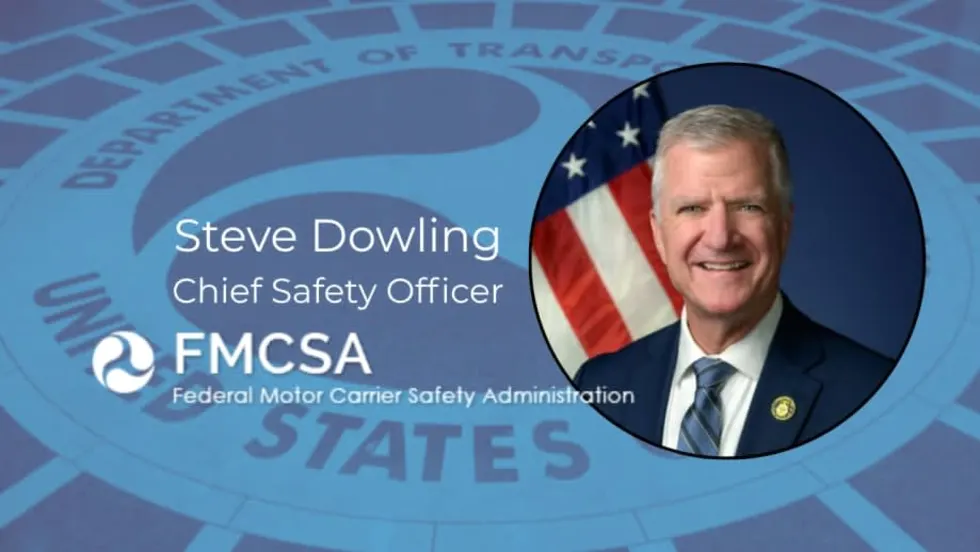
FMCSA Names New Chief Safety Officer: What School Bus Operators Should Know
Steve Dowling is set to lead the federal agency's efforts to advance commercial motor vehicle safety and reduce crashes, fatalities, and injuries on the nation's roadways.
Read More →