




Behavioral
• Programs that exceed requirements
• Complete corporate culture of safety
Technological
• On-board student tracking
• Systems to ensure students exit the bus
• On-board driver monitoring and telematics systems
• Pre-trip inspection verification systems
• Cameras on school buses
Beyond Compliance: Rewarding Safety Programs
Several voluntary safety program best practices would be worthy of inclusion in a beyond compliance program. NSTA encourages FMCSA to utilize the performance metrics of preventable accidents, non-preventable accidents and Department of Transportation reportable crashes when measuring all programs.
by Ronna Weber
February 26, 2016
Ronna Weber is executive director of the National School Transportation Association.
3 min to read

Ronna Weber is executive director of the National School Transportation Association.
On April 23, 2015, the Federal Motor Carrier Safety Administration (FMCSA) issued a notice and request for public comment on a proposal to establish a beyond compliance program.
The program aims to reward those who provide safety programs exceeding the minimum requirements. The National School Transportation Association (NSTA) submitted comments on this issue in June 2015.
The safety record of the iconic yellow school bus exists today because of the importance this industry has placed on safety. Travel by school bus is the safest form of transportation available, and the school transportation industry works hard each and every day to ensure that we are not only operating in a safe environment, but that we are promoting a culture of safety in everything we do.
We are one of the most heavily regulated industries, and we know those regulations exist for the safety of the students we transport. It is because of our commitment to safety that NSTA supports FMCSA’s efforts to recognize and reward the best practices of compliant and safe companies.
There are several voluntary safety program best practices that would be worthy of inclusion in a beyond compliance program. These best practices basically fall into two categories: behavioral and technological. Current examples in each category are listed below. A complete program will address all aspects, including monitoring, coaching and follow-up.
Successful programs have many components, and we strongly encourage FMCSA to utilize the specific performance metrics of preventable accidents, non-preventable accidents and Department of Transportation reportable crashes when measuring all programs. All three metrics should be normalized by mileage in order to accurately depict performance.
In addition, geographic operating environment should be a consideration, because location and, in particular, winter weather are significant factors in crash rates. Operations in rural areas are also very different from operations in urban areas. We would suggest the development of zones to account for weather and population density when factoring crash rates.
Additionally, any program that exceeds compliance should have a measurable benefit to show its success.
Finally, FMCSA must also consider a process that protects company investments, thereby encouraging the sharing of best practices.
Conversely, unsuccessful programs must also be easily recognized. If FMCSA chooses to utilize the metrics of preventable accidents, then the recognition of unsuccessful programs becomes much easier.
In addition, all such programs should be reviewed either randomly or for cause. When reviewed for cause, if a carrier is found to not actually meet the qualifications of the program, then their incentives should be removed immediately. When reviewed randomly, FMCSA should have the flexibility to determine how to proceed.
Another critical component to the success of such a program would be any incentives that FMCSA might offer to those meeting the program criteria. The following incentives are a sampling of those that could easily be implemented:
• safety rating scalable by company size;
• credit on appropriate Safety Measurement Systems scores;
• credit on Inspection Selection System scores; and
• a reduction in roadside inspection frequency.
Finally, we encourage FMCSA to create a process to ensure that these programs are actually being implemented. This is an important component, as companies should only be rewarded for the successful safety programs they actually implement.
We commend FMCSA for looking to recognize the extra measures we take every day to ensure the safety of America’s schoolchildren.
Subscribe to Our Newsletter
More Safety
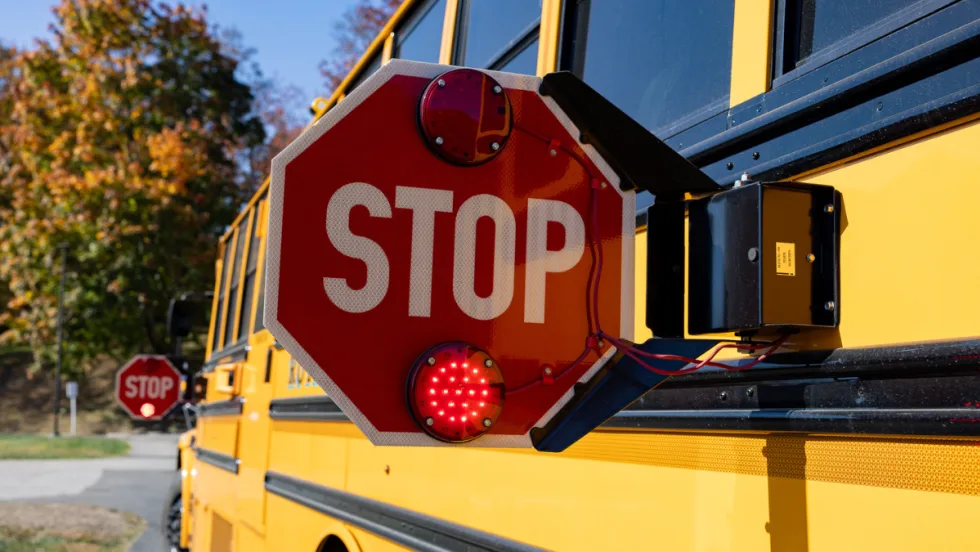
Illegal School Bus Passing Drops 24% in New York Districts
With fewer than 5% of citations involving repeat offenders, Westchester County officials said enforcement, education, and community partnerships are helping change driver behavior.
Read More →
School's Back. Here's What Happened to Traffic, Speeding & Distraction
What happens to traffic when school resumes? New data analysis examines changes in distracted driving, congestion, and speeding around schools.
Read More →
Geotab Expands Fleet Safety Tools With Video Coaching, Risk Insights
New safety and video capabilities aim to help fleet managers assess risk, support drivers, and take targeted action through video coaching, red-light violation detection, and more.
Read More →

How to Build a Better School Bus Driver Training Program
Is it time to strengthen your driver training? Here’s how to pick the right talent and improve recruitment, retention, and safety. This video is brought to you by IC Bus.
Read More →
Recent School Bus Accidents Leave 2 Dead, 2 Injured
Four school bus crashes in Florida, Illinois, and Georgia highlight risks in transportation lots, at bus stops, and during student loading and unloading.
Read More →
Sponsored•September 8, 2026
When Every Second Matters, Clarity Keeps Routes Moving
From routine delays to urgent incidents, strong communication practices help drivers, dispatchers, schools, and families respond with confidence.
Read More →
What Happens When a School Bus Catches Fire — and What Can Help
School bus fires are rare but can be devastating. Learn how advances in fire suppression and asset protection help fleets detect fires earlier, reduce damage, and improve safety.
Read More →
Geotab Launches Tool to Help Fleets Investigate Road Incidents
Geotab Investigations combines telematics data, video, documents, and other evidence to help fleets reconstruct incidents, resolve claims, and determine what happened.
Read More →
Texas Sixth Grader Wins 2026 National School Bus Safety Poster Contest
Sai Darshana Yekolu of Moseley Middle School in Prosper, Texas, was named the newest winner for her artwork, bringing the theme of “Safe Rides, Everyday Heroes” to life.
Read More →
Sponsored•August 27, 2026
Doing More With Less: How Transportation Directors Can Prioritize Safety Amid Budget Uncertainty
With diesel prices soaring and nearly one-third of transportation directors expecting budget cuts, maintaining student safety has never been more challenging. Download this guide to learn how leading districts are prioritizing risk, funding critical safety technology, and building stronger budget cases with data.
Read More →