





Want More? Four Key Lessons Learned for School Bus Electrification
New WRI Electric School Bus Program Gets U.S. DOE Funding Boost
The program will use a 'train-the-trainer' approach to increase school districts’ capacity to adopt electric school buses, particularly in disadvantaged communities facing the greatest inequities based on income, race, pollution, and tribal status.
September 3, 2024
The $1 million for a new WRI program is part of $32.5 million in DOE funding geared toward advancing transportation electrification and curbing emissions.
Photo: WRI/School Bus Fleet
2 min to read
A project team that includes the World Resources Institute's (WRI) Electric School Bus (ESB) Initiative was awarded funding from the U.S. Department of Energy to advance transportation electrification and move the sector closer to net-zero greenhouse gas emissions.
The $1 million is part of $32.5 million in DOE funding geared toward advancing transportation electrification and curbing emissions.
Helping Districts Achieve Emissions Goals
The WRI project is called 'Outreach, Education and Training on Equitable Electric School Bus Adoption: Clean Cities Coalition Electric School Bus Academies'.
It will use a 'train-the-trainer' approach to increase school districts’ capacity to adopt electric school buses, particularly in disadvantaged communities facing the greatest inequities based on income, race, pollution, and tribal status.
“Electric school buses...create a new normal for an entire generation by introducing children to electric vehicles at an early age,” WRI Electric School Bus Initiative Director Sue Gander said. “It’s no surprise that school districts throughout the U.S. are interested in electric school buses. As they make the switch, districts often need guidance to navigate the process, especially underserved districts with less staff capacity. We are thrilled about the opportunity to collaborate with an impressive group of partners to build support for helping bring clean-running, electric school buses to the communities that need them most.”
Together with experts from the Greater Washington Region Clean Cities Coalition and Equitable Cities, WRI’s Electric School Bus Initiative will host two capacity-building 'Academies', each with ten participating Clean Cities & Communities (CC&C) coalitions.
These coalitions will serve as key partners for this effort given their long-standing role in supporting the transition to cleaner transportation and their connections with partners on the ground.
Each Academy will provide participants with a three-day training that will feature education, resources, and peer learning on assisting school districts in creating a school bus electrification roadmap that incorporates equity strategies, engaging key stakeholders, creating an infrastructure charging plan, and deploying chargers.
Each Academy will also create a peer network for providing support and accountability as participating CC&C coalitions from across the US return home and host local workshops for school districts within their jurisdiction.
In total, the 20 participating coalitions are expected to subsequently provide workshops and technical assistance to at least 60 to 100 school districts, plus others who request future support.
More Alternative Fuels

CALSTART and Forth Combine to Form Catalyst Mobility
The new name represents a renewed vision for the nonprofit focused on advancing clean, equitable, and affordable transportation solutions that move people and goods.
Read More →
Alt-Fuel Moves: New Buses, Charging Hubs & Real-World EV Testing
Propane and electric school bus deployments continue to grow as districts add new vehicles, expand charging infrastructure, and gather more real-world operating data.
Read More →
Fewer Electric School Bus Models Reshape the U.S. Market
WRI’s latest buyer’s guide points to a consolidating electric school bus market, but fewer options may reflect a maturing industry rather than fewer meaningful choices for school bus operators.
Read More →
The Fuel Budget You Can Actually Predict: How Propane Autogas Keeps Money in the Classroom
Learn how propane autogas helps school districts manage fuel costs with predictable pricing, lower maintenance, and reduced emissions from former transportation director Joel Stutheit.
Read More →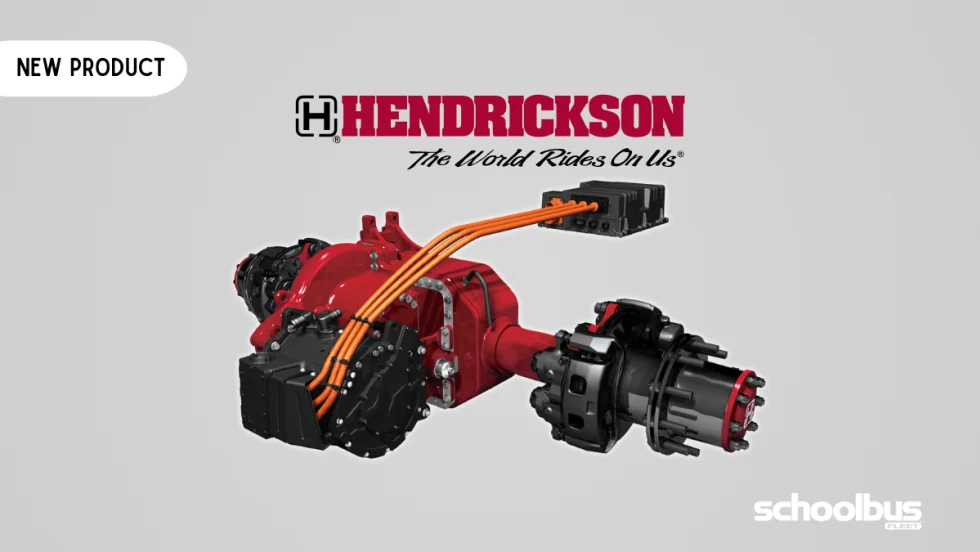
Hendrickson, Driventic Introduce New Electric Powertrain for School Buses
ELECTRAAX, the electrified, lightweight drive axle offers integrated ePowertrain efficiency and modular flexibility for Class 6–7 school bus use.
Read More →
The Mobility House Joins PowerFlex in Fleet Electrification Deal
The acquisition combines intelligent charging software, bidirectional charging expertise, and fleet electrification services to support the growing adoption of electric school buses across North America.
Read More →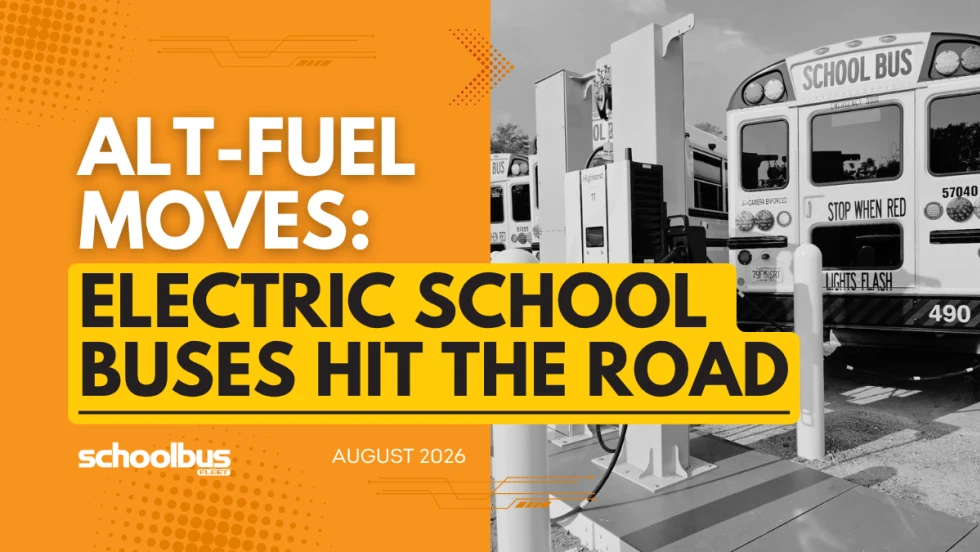
Alt-Fuel Moves: Electric School Bus Investments Hit the Road
See which districts across the U.S. are putting electric school buses into service, expanding charging infrastructure, and planning the next phase of fleet electrification.
Read More →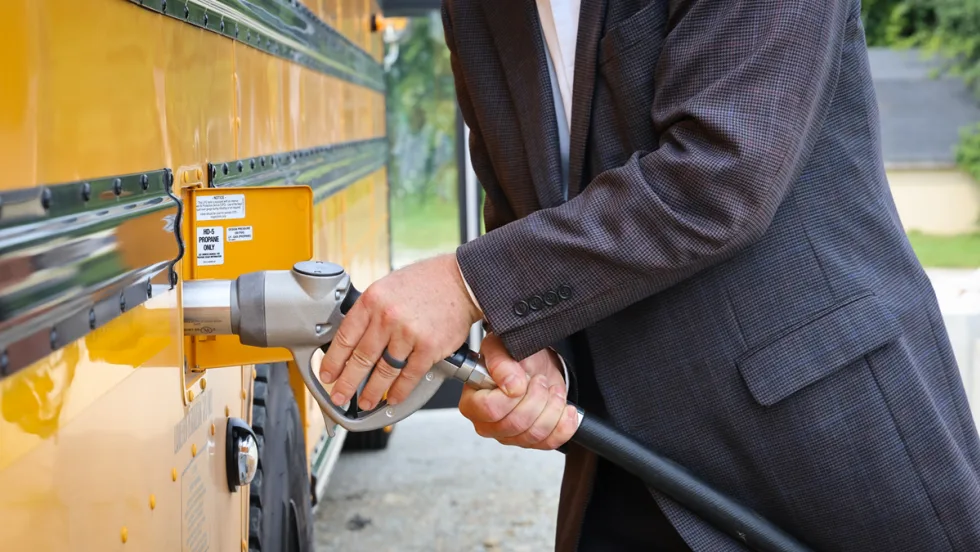
With Fuel Volatility Ahead, School Districts Turn to Propane
While diesel prices peaked above $5 this spring, districts with propane autogas-powered fleets paid under $2 per gallon, according to PERC.
Read More →
EPA Unveils Proposed Changes to 2027 Heavy-Duty Engine Rules
The federal agency has proposed changes to next year’s targets that would eliminate DEF derates, ease warranty requirements, and retain current NOx emissions standards.
Read More →
Alt-Fuel Moves: EV Charging & Infrastructure Projects Gain Momentum
The latest developments include new funding, charging infrastructure, utility investments, and fleet technologies designed to support the transition to electric school buses nationwide.
Read More →