




WRI Releases Electric School Bus Training Standards
WRI collaborated with several organizations to look at Electric School Bus training programs and data in order to create their electric school bus training standards.

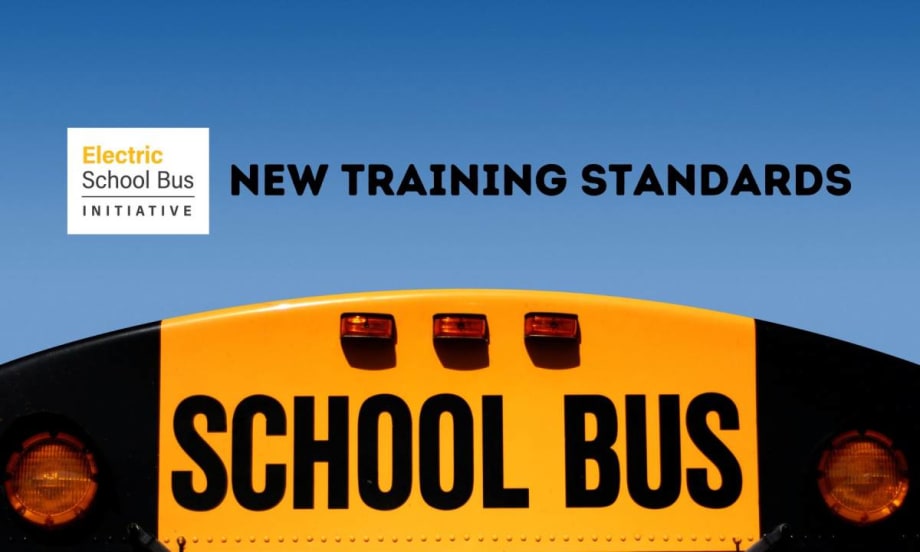
The new Electric School Bus Training Standards released by the WRI's Electric School Bus Initiative aim to help schools develop training programs for anyone who interacts with electric school buses.
Photo: Electric School Bus Initiative/Canva
The World Resource Institute’s (WRI) Electric School Bus Initiative released the first Electric School Bus (ESB) training standards. These standards cover vehicle operation, safety, maintenance, technology, and troubleshooting.
The ESB training standards define learning objectives and outcomes for people who interact with ESBs.
The WRI also has a new ESB program designed to help school districts adopt electric school buses.
Putting Together the Standards
More than 50 industry experts have peer reviewed the training standards. These include staff from school districts, manufacturers, and subject matter experts.
“The ESB Training Standards were conceptualized during discussions with our Manufacturing and Supply Chain Steering Committee, collaboration with CALSTART’s Industry Electric School Bus Working Group and conversations with stakeholders across the student transportation sector,” Stephanie Ly, senior manager at WRI’s Electric School Bus Initiative told School Bus Fleet. “We partnered with other non-profit organizations and identified challenges and recommendations for ESB training, which the lack of standardized training was a key issue.”
WRI led efforts to draft the training standards, consulting and adapting electric vehicle standards. They also looked at learning outcomes from different sectors and organizations, including the American Public Transportation Association, National Institute for Automotive Service Excellence, Electronics Technicians Association International, and Electric Vehicle Standards Council.
Information from the WRI’s Electric School Bus Initiative was also utilized to create the training standards, as well as Weber State University’s Advanced Industry Training for Electric Vehicles course.
Applying the Standards to Training
The ESB training standards are meant to help school districts, trainers and instructors develop training programs for anyone interacting with ESBs including bus riders, drivers, technicians, fleet managers, and first responders.
“We envision school districts and school bus operators to utilize these standards when creating training curricula or checking whether important concepts are covered by training providers. The ESB training standards outlines a fundamental set of knowledge with each specific standard representing a learning objective or outcome,” says Ly.
Ly added, “We also envision equity principles to be embedded into all ESB training with support for people with differing abilities, historically excluded workers, multi-lingual staff, and diverse representation to ensure a just transition to ESBs.”
Feedback and Updates
As EBS technology and training approaches change over time, WRI is encouraging feedback from users. As feedback is collected through email and direct discussions with stakeholders, the WRI may release an updated version of the ESB training standards.
The training standards can be found on the Electric School Bus Initiative’s website, along with additional information about ESBs.
More Alternative Fuels

CALSTART and Forth Combine to Form Catalyst Mobility
The new name represents a renewed vision for the nonprofit focused on advancing clean, equitable, and affordable transportation solutions that move people and goods.
Read More →
Alt-Fuel Moves: New Buses, Charging Hubs & Real-World EV Testing
Propane and electric school bus deployments continue to grow as districts add new vehicles, expand charging infrastructure, and gather more real-world operating data.
Read More →
Fewer Electric School Bus Models Reshape the U.S. Market
WRI’s latest buyer’s guide points to a consolidating electric school bus market, but fewer options may reflect a maturing industry rather than fewer meaningful choices for school bus operators.
Read More →
The Fuel Budget You Can Actually Predict: How Propane Autogas Keeps Money in the Classroom
Learn how propane autogas helps school districts manage fuel costs with predictable pricing, lower maintenance, and reduced emissions from former transportation director Joel Stutheit.
Read More →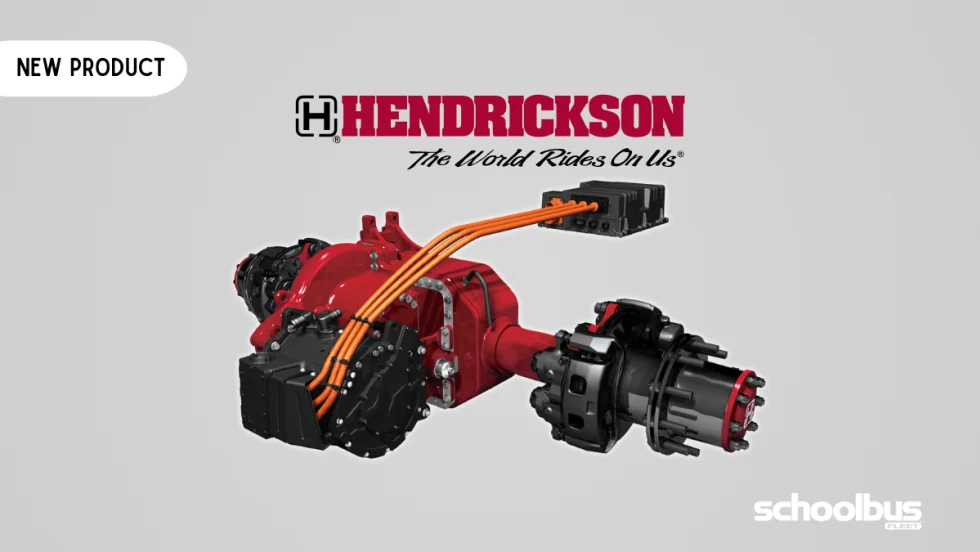
Hendrickson, Driventic Introduce New Electric Powertrain for School Buses
ELECTRAAX, the electrified, lightweight drive axle offers integrated ePowertrain efficiency and modular flexibility for Class 6–7 school bus use.
Read More →
The Mobility House Joins PowerFlex in Fleet Electrification Deal
The acquisition combines intelligent charging software, bidirectional charging expertise, and fleet electrification services to support the growing adoption of electric school buses across North America.
Read More →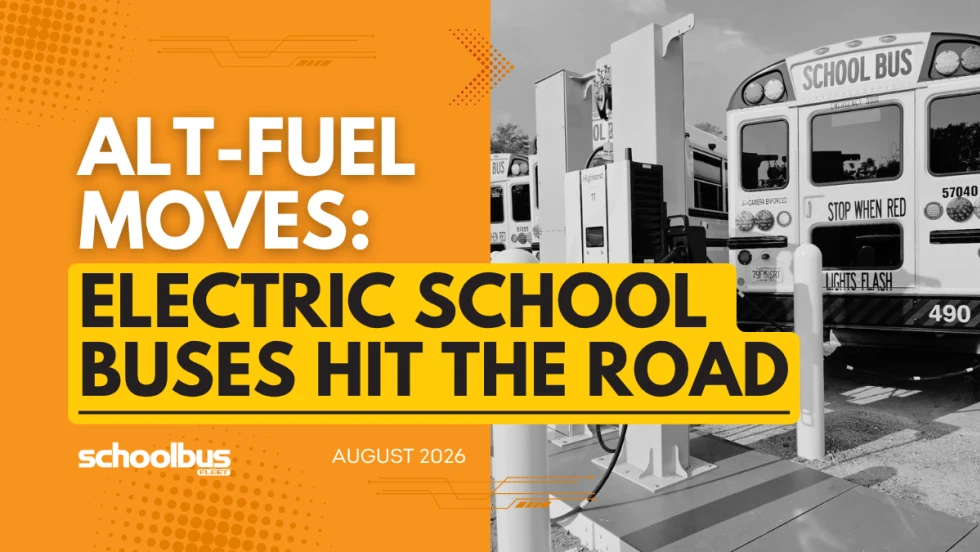
Alt-Fuel Moves: Electric School Bus Investments Hit the Road
See which districts across the U.S. are putting electric school buses into service, expanding charging infrastructure, and planning the next phase of fleet electrification.
Read More →
With Fuel Volatility Ahead, School Districts Turn to Propane
While diesel prices peaked above $5 this spring, districts with propane autogas-powered fleets paid under $2 per gallon, according to PERC.
Read More →
EPA Unveils Proposed Changes to 2027 Heavy-Duty Engine Rules
The federal agency has proposed changes to next year’s targets that would eliminate DEF derates, ease warranty requirements, and retain current NOx emissions standards.
Read More →
Alt-Fuel Moves: EV Charging & Infrastructure Projects Gain Momentum
The latest developments include new funding, charging infrastructure, utility investments, and fleet technologies designed to support the transition to electric school buses nationwide.
Read More →