




ROUSH CleanTech hires 37-year Ford veteran
Rob Stevens is named vice president of strategy for the company, which supplies propane autogas fuel system technology for Blue Bird and Micro Bird school buses, among other vehicles.

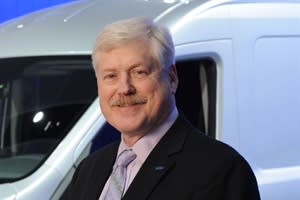
Rob Stevens is the new vice president of strategy for propane autogas fuel system supplier ROUSH CleanTech.
LIVONIA, Mich. — Rob Stevens, who has nearly four decades of experience with Ford Motor Co., has been named the new vice president of strategy at ROUSH CleanTech.
In the role, Stevens will spearhead future product and customer strategy at ROUSH CleanTech, which supplies propane autogas fuel system technology for Blue Bird and Micro Bird school buses, among other vehicles.
ROUSH CleanTech officials said that Stevens brings expertise in engineering, product and business development, alternative-fuel vehicles, and fleet operations.
“I’ve spent years collaborating with customers to find the right vehicle for the right application," Stevens said. "In the alternative-fuels space, ROUSH CleanTech offers an ideal scenario of product, customer and brand integrity. I plan to use my 37 years of engineering and fleet customer knowledge to bring about a greater change in clean vehicle usage.”
As Ford’s chief engineer, Stevens directed strategic planning and product development for Ford commercial vehicles, including the new Transit Connect, E-Series vans, medium duty and Super Duty trucks, and commercial stripped chassis.
Stevens also served as president and chief operating officer of Ford’s TH!NK Mobility LLC. He reportedly influenced government leaders to modify zero emission vehicle requirements to obtainable levels, and he launched three alternative-fuel vehicle product lines. Later, he initiated the reintroduction of alternative fuels in Ford commercial trucks, developing Ford’s qualified vehicle modifier (QVM) program for gaseous prep engines.
ROUSH CleanTech is Ford’s only QVM for propane autogas fuel systems.
“ROUSH CleanTech has experienced exceptional growth since its inception in 2010,” company President Joe Thompson said. “Our investment strategy will continue to accelerate our market share by adding the vision that comes from the type of engineering and customer experience that Rob has. Adding a guy like Rob Stevens further complements the integrity of our growth plans.”
More Alternative Fuels
Alt-Fuel Moves: Electric Bus Rollouts, Bidirectional Charging & Propane Growth
See which fleets are adding electric and propane school buses as districts and operators invest in charging infrastructure, bidirectional technology, and alternative-fuel expansion.
Read More →
Nobody Told Diesel Prices They Were Supposed to Come Down
With diesel prices surging, school bus fleets have new reason to stress-test fuel costs, consider diversification, and calculate what each route really costs to operate.
Read More →
Why Gasoline School Buses Are Making a Comeback
Gasoline is gaining ground in full-size school buses. See how today’s options stack up against diesel on cost, maintenance, emissions, performance, and more.
Read More →
EPA Opens $180M DERA Funding Round for Diesel Upgrades
The 2026 Diesel Emissions Reduction Act program seeks applications from eligible organizations to accelerate the retirement of legacy diesel vehicles.
Read More →
The Secret Life of an Electric School Bus Battery
Batteries change throughout years of daily routes, but degradation doesn’t necessarily mean the end. Here’s what operators should know about performance, safety, and second life.
Read More →
CALSTART and Forth Combine to Form Catalyst Mobility
The new name represents a renewed vision for the nonprofit focused on advancing clean, equitable, and affordable transportation solutions that move people and goods.
Read More →
Alt-Fuel Moves: New Buses, Charging Hubs & Real-World EV Testing
Propane and electric school bus deployments continue to grow as districts add new vehicles, expand charging infrastructure, and gather more real-world operating data.
Read More →
Fewer Electric School Bus Models Reshape the U.S. Market
WRI’s latest buyer’s guide points to a consolidating electric school bus market, but fewer options may reflect a maturing industry rather than fewer meaningful choices for school bus operators.
Read More →
The Fuel Budget You Can Actually Predict: How Propane Autogas Keeps Money in the Classroom
Learn how propane autogas helps school districts manage fuel costs with predictable pricing, lower maintenance, and reduced emissions from former transportation director Joel Stutheit.
Read More →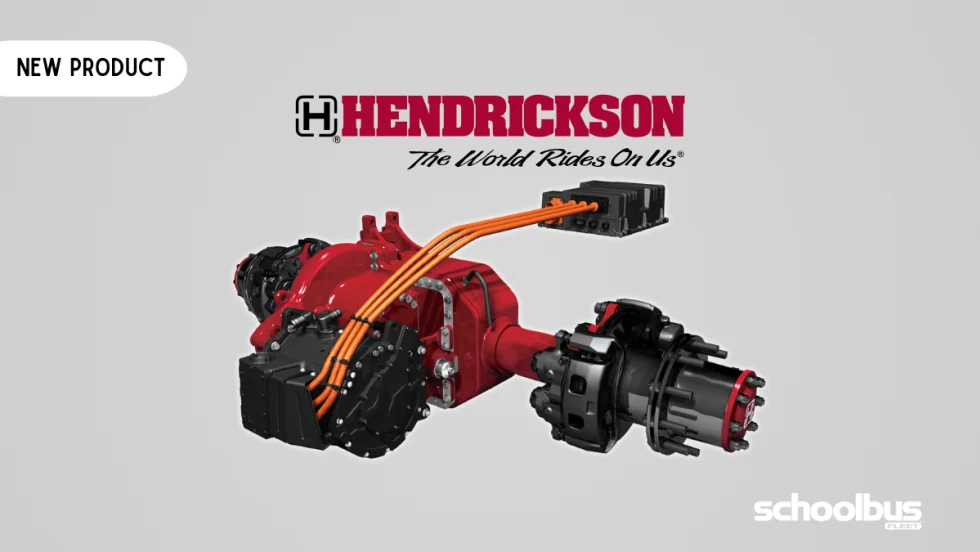
Hendrickson, Driventic Introduce New Electric Powertrain for School Buses
ELECTRAAX, the electrified, lightweight drive axle offers integrated ePowertrain efficiency and modular flexibility for Class 6–7 school bus use.
Read More →