





Don't Miss: New York Electric School Bus Mandate Blowing Fuses?
NYC School Bus Electrification Project Wins "Power Player" Award
The award, from the Smart Electric Power Alliance, recognizes a project to bring electric school buses to the Bronx in New York City.
May 6, 2024

Members of The Mobility House team accept the 2024 Transportation Power Player Award with SEPA President and CEO Sheri Givens.
Source: Canva/SEPA
2 min to read
Smart Electric Power Alliance (SEPA) recognized “Electrifying School Buses in the Bronx” with the 2024 Power Player of the Year award in the Transportation category. ESBB is a project led by New York City School Bus Umbrella Services (NYCSBUS) and its partners to put 25 zero-emission buses into service for the community with advanced smart-charging technology and educational benefits for school bus operators and districts across the region.
As the technical lead on the project, The Mobility House accepted the award at the 2024 Power Players Awards ceremony in Coronado, Calif., hosted by SEPA, on behalf of NYCSBUS and project partners including World Resources Institute, CALSTART, Bronx Community College, New York League of Conservation Voters, and South Bronx Unite.
“NYCSBUS’s Zerega Depot is a great example of a project that represents how the electrification of school bus fleets can benefit communities everywhere,” said Greg Hintler, CEO of The Mobility House North America. “We are proud to be involved in the project, and grateful for its recognition as the Transportation Power Player of the Year.”
The project demonstrates an innovative and replicable technological approach to quickly and efficiently implement electric school bus charging at a power-constrained site. With the use of data-driven analysis and the application of automated load management (ALM) technology, NYCSBUS can now charge up to 17 buses at the Zerega depot, with 268 kW total nameplate charger capacity installed at a site where the maximum load limit prescribed by the utility provider is only 80 kW. This is the first time an ALM oversubscribed site has been implemented in ConEd’s service territory.
Without the use of ALM, NYCBUS would only have had power capacity for seven buses for the site. This project demonstrates the technology's effectiveness in optimizing available utility infrastructure and easing the installation of electric bus-charging equipment.
“As a nonprofit bus operator, we have a commitment to pursue innovation in busing, including the implementation of advanced technologies to support zero emissions vehicles to benefit our drivers and the communities we serve,” said Matt Berlin, CEO of NYCSBUS. “We are proud to have our electrification project recognized for its impact.”
“This project exemplifies the commitment to clean energy leadership and innovation that is needed to progress a carbon-free energy future, and SEPA is honored to recognize NYCSBUS, The Mobility House, and the entire project team’s achievements at this year's Power Players awards ceremony,” said Sheri Givens, president and CEO of SEPA. “We received 124 nominations for all of the award categories this year, making this transportation award a significant achievement.”
More Alternative Fuels
Bipartisan Bill Seeks to Extend Clean School Bus Program Through 2031
The proposed legislation would renew federal support for cleaner school buses as districts navigate funding uncertainty, rising fuel and infrastructure costs, and fleet replacement needs.
Read More →
Alt-Fuel Moves: Electric Bus Rollouts, Bidirectional Charging & Propane Growth
See which fleets are adding electric and propane school buses as districts and operators invest in charging infrastructure, bidirectional technology, and alternative-fuel expansion.
Read More →
Nobody Told Diesel Prices They Were Supposed to Come Down
With diesel prices surging, school bus fleets have new reason to stress-test fuel costs, consider diversification, and calculate what each route really costs to operate.
Read More →
Why Gasoline School Buses Are Making a Comeback
Gasoline is gaining ground in full-size school buses. See how today’s options stack up against diesel on cost, maintenance, emissions, performance, and more.
Read More →
EPA Opens $180M DERA Funding Round for Diesel Upgrades
The 2026 Diesel Emissions Reduction Act program seeks applications from eligible organizations to accelerate the retirement of legacy diesel vehicles.
Read More →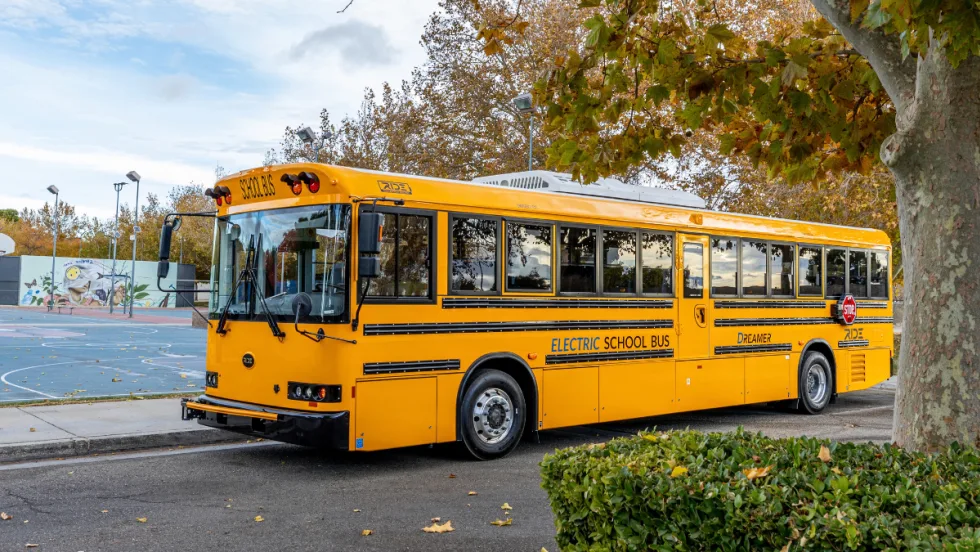
The Secret Life of an Electric School Bus Battery
Batteries change throughout years of daily routes, but degradation doesn’t necessarily mean the end. Here’s what operators should know about performance, safety, and second life.
Read More →
CALSTART and Forth Combine to Form Catalyst Mobility
The new name represents a renewed vision for the nonprofit focused on advancing clean, equitable, and affordable transportation solutions that move people and goods.
Read More →
Alt-Fuel Moves: New Buses, Charging Hubs & Real-World EV Testing
Propane and electric school bus deployments continue to grow as districts add new vehicles, expand charging infrastructure, and gather more real-world operating data.
Read More →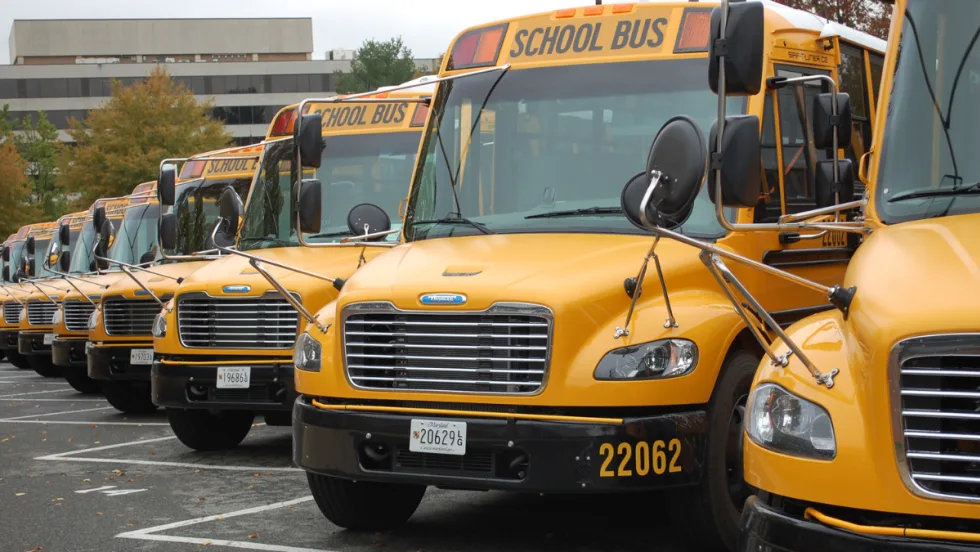
Fewer Electric School Bus Models Reshape the U.S. Market
WRI’s latest buyer’s guide points to a consolidating electric school bus market, but fewer options may reflect a maturing industry rather than fewer meaningful choices for school bus operators.
Read More →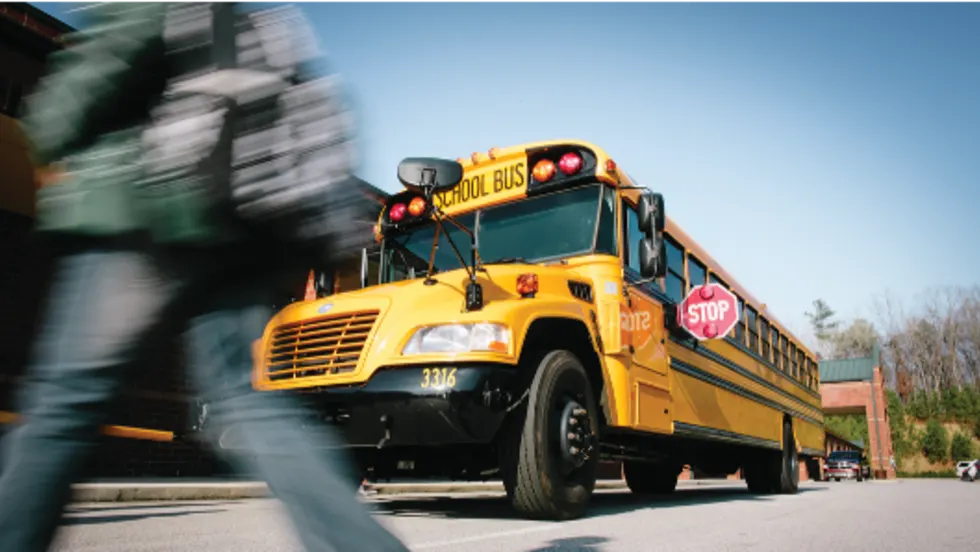
The Fuel Budget You Can Actually Predict: How Propane Autogas Keeps Money in the Classroom
Learn how propane autogas helps school districts manage fuel costs with predictable pricing, lower maintenance, and reduced emissions from former transportation director Joel Stutheit.
Read More →