


Did You Miss: New York City Plans 25 New Electric School Buses
New York Electric School Bus Charging Project Earns Innovation Award
The award for NYCSBUS and The Mobility House recognizes the innovative application of automated load management technology to maximize the number of electric bus chargers at a power-constrained site.
June 19, 2024
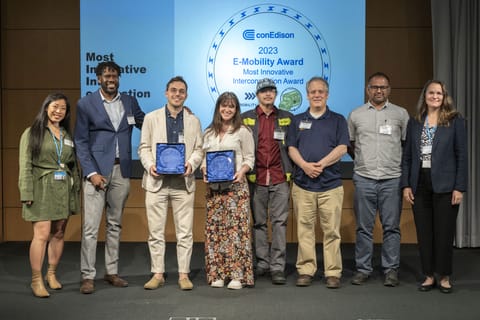
The Mobility House and NYCSBUS accept the "Most Innovative Interconnection Award” from Con Edison.
Source: Con Edison
3 min to read
The Mobility House and New York City School Bus Umbrella Services (NYCSBUS) have received the Consolidated Edison (Con Edison) "Most Innovative Interconnection Award" for their pioneering electric school bus infrastructure project at the Zerega Avenue Depot in the Bronx. Representatives from The Mobility House and NYCSBUS accepted the award at the 2024 Con Edison E-Mobility Awards at the utility provider's headquarters in New York.
This is the second award The Mobility House and NYCSBUS have earned for their collaboration, following the 2023 Transportation Power Player Award from SEPA. The project team will deploy 25 EPA-funded zero-emission electric school buses equipped with advanced smart-charging technology across New York City, with 14 located at NYCSBUS’ Zerega Avenue Depot. The project will provide educational benefits for school bus operators and districts throughout the region. The project team includes the World Resources Institute, CALSTART, Bronx Community College, New York League of Conservation Voters, and South Bronx Unite.
Gregor Hintler, CEO of The Mobility House North America, expressed his excitement about the project, saying, "We are honored to receive this recognition from Con Edison. In demonstrating this innovative technological approach, using ALM to optimize utility infrastructure, we are setting a precedent for fleet operators with power-constrained sites in New York and across the country."
The Mobility House, acting as the technical lead, worked with NYCSBUS and Con Edison to identify the available power capacity at the Zerega Avenue Depot. Using their proprietary Charging Simulation tool, The Mobility House determined that NYCSBUS could use automated load management (ALM) to safely install 14 electric bus chargers, totaling 268 kW of nameplate capacity, on a site that is constrained to a maximum EV charging load limit of 80 kW. This marks the first implementation of an oversubscribed site using ALM within Con Edison's service territory.
Without the use of ALM, the Zerega depot would have been limited to charging only four buses on its 80 kW connection. The ALM function of The Mobility House’s charge management system, ChargePilot, allowed NYCSBUS to maximize their existing utility infrastructure, avoid the cost of a utility upgrade, and accelerate the installation of their electric bus charging equipment.
Matt Berlin, CEO of NYCSBUS, highlighted the broader impact of the award-winning project, saying, "This project is a testament to what can be achieved when innovative technology meets determined collaboration. We are not only advancing our commitment to sustainability but also improving the daily lives of countless students and communities in the Bronx. We are immensely proud of this recognition and look forward to expanding our electric bus fleet further."
Alison Kling, department manager of E-Mobility Infrastructure Programs at Con Edison, emphasized the significance of the collaboration, saying, "The success of this project demonstrates the power of technology to push the boundaries of what's possible in electric mobility. By working together to safely optimize EV chargers on a power-constrained site, we have developed a model that can be replicated across our service territory and beyond, paving the way for a cleaner, more sustainable future."
More Alternative Fuels
Bipartisan Bill Seeks to Extend Clean School Bus Program Through 2031
The proposed legislation would renew federal support for cleaner school buses as districts navigate funding uncertainty, rising fuel and infrastructure costs, and fleet replacement needs.
Read More →
Alt-Fuel Moves: Electric Bus Rollouts, Bidirectional Charging & Propane Growth
See which fleets are adding electric and propane school buses as districts and operators invest in charging infrastructure, bidirectional technology, and alternative-fuel expansion.
Read More →
Nobody Told Diesel Prices They Were Supposed to Come Down
With diesel prices surging, school bus fleets have new reason to stress-test fuel costs, consider diversification, and calculate what each route really costs to operate.
Read More →
Why Gasoline School Buses Are Making a Comeback
Gasoline is gaining ground in full-size school buses. See how today’s options stack up against diesel on cost, maintenance, emissions, performance, and more.
Read More →
EPA Opens $180M DERA Funding Round for Diesel Upgrades
The 2026 Diesel Emissions Reduction Act program seeks applications from eligible organizations to accelerate the retirement of legacy diesel vehicles.
Read More →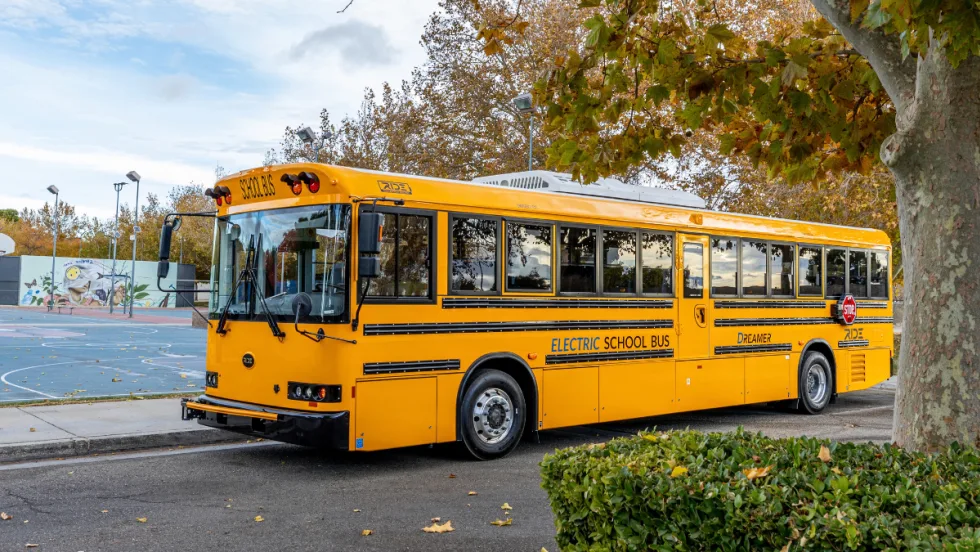
The Secret Life of an Electric School Bus Battery
Batteries change throughout years of daily routes, but degradation doesn’t necessarily mean the end. Here’s what operators should know about performance, safety, and second life.
Read More →
CALSTART and Forth Combine to Form Catalyst Mobility
The new name represents a renewed vision for the nonprofit focused on advancing clean, equitable, and affordable transportation solutions that move people and goods.
Read More →
Alt-Fuel Moves: New Buses, Charging Hubs & Real-World EV Testing
Propane and electric school bus deployments continue to grow as districts add new vehicles, expand charging infrastructure, and gather more real-world operating data.
Read More →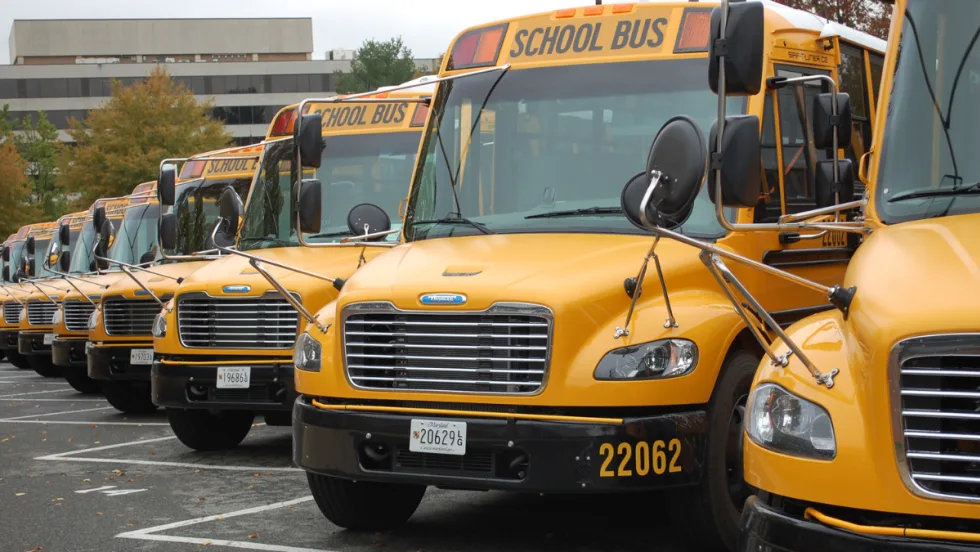
Fewer Electric School Bus Models Reshape the U.S. Market
WRI’s latest buyer’s guide points to a consolidating electric school bus market, but fewer options may reflect a maturing industry rather than fewer meaningful choices for school bus operators.
Read More →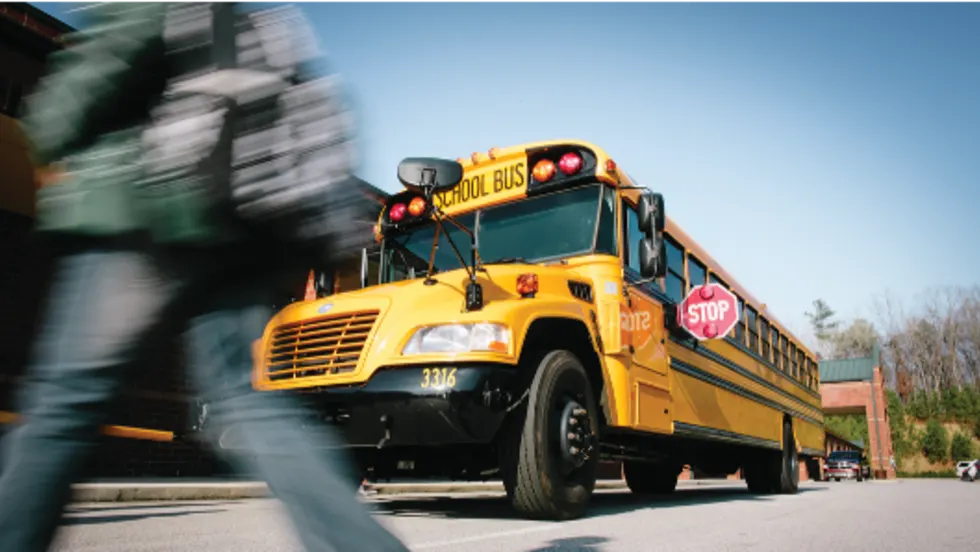
The Fuel Budget You Can Actually Predict: How Propane Autogas Keeps Money in the Classroom
Learn how propane autogas helps school districts manage fuel costs with predictable pricing, lower maintenance, and reduced emissions from former transportation director Joel Stutheit.
Read More →