





Check Out: EPA Releases New Details in Clean School Bus Rebate Program
Lion Electric Hosts Federal and State Officials at Joliet Facility
Members of the Illinois delegation of the U.S. House of Representatives got a look at progress on the new manufacturing facility, which is expected to come online in the second half of 2022.
March 23, 2022
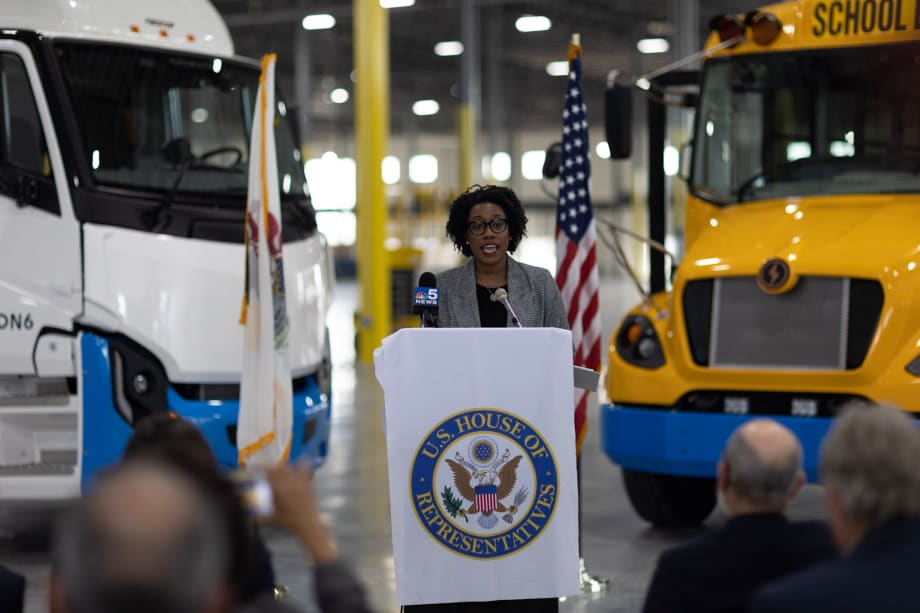
U.S. Rep. Lauren Underwood of Illinois said the Bipartisan Infrastructure Law investments "are propelling our country forward to further strengthen our economic recovery while creating more sustainable transportation options.”
Photo: Lion Electric Co.
4 min to read
Lion Electric Co. this week hosted U.S. representatives Bill Foster, Sean Casten and Lauren Underwood, alongside state and federal officials at its upcoming Joliet, Ill., manufacturing facility.
The event showcased the advancement of Lion's state-of-the-art manufacturing facility in Joliet and highlighted how the recently passed Infrastructure Investment and Jobs Act (IIJA) will bolster clean manufacturing in the United States.
In addition to representatives Casten, Foster, and Underwood, Illinois Department of Commerce and Economic Opportunity Director Sylvia Garcia and EPA Region 5 Administrator Debra Shore addressed the economic and health benefits of electrification, as well as state and federal policies designed to spur EV adoption.
The IIJA sets aside $5 billion in funding for the adoption of clean school buses to be administered by the EPA, along with $7.5 billion to build out critical charging infrastructure throughout the country to speed the transportation sector's transition to electrification.
Dozens of local and industry stakeholders attended to tour the factory and get hands-on time with Lion's vehicles. These included school districts from several states and student transportation advocacy groups, such as the National School Transportation Association (NSTA), which represents private school transportation contractors that amount to approximately one-third of the school buses operating in the United States. Large national commercial fleets also attended to test vehicles from Lion's trucking portfolio and got a preview of where their vehicles will be built in the U.S. market.
Lion is on track to begin manufacturing 100% electric vehicles in Joliet in the second half of 2022, in what is expected to be the largest dedicated medium- and heavy-duty electric vehicle manufacturing plant in the country, with a production capacity of up to 20,000 vehicles per year. Lion anticipates that it will add more than 1,400 new jobs to the Joliet region over the next four years.
"We are very proud to have hosted Illinois Congress members at our upcoming factory, whose votes have led to historic investments in clean school transportation,” said Brian Piern, chief commercial officer at Lion Electric. “It shows how Lion is playing an important role in the rise of the green economy in the United States, and that we are contributing to the rebirth of U.S. manufacturing right here in Illinois, with made in America heavy-duty electric trucks and buses.”
Said Nate Baguio, senior vice president of commercial development at Lion Electric: "The billions in clean school bus funding in the (IIJA) is proof that it is time for the days of polluting diesel school buses to come to an end. With over 550 vehicles on the road today and more than 9 million miles driven, Lion is ready to lead the charge in electrifying school fleets throughout the United States – a critical transition that we feel very passionately about. As a dedicated zero-emission school bus manufacturer, Lion is uniquely positioned to have 100% of its school bus products qualify for the entirety of the funding included in the bipartisan package. We have heard the call to clean up our nation's school bus fleets from the federal government and this American factory will be the centerpiece of bringing healthy transportation to our students and communities.”
Representative Foster was pleased with the progress Lion Electric has made on its Joliet plant.
"I'm proud that companies like Lion Electric are choosing to invest in Illinois, positioning our region to lead the rapidly growing electric vehicle industry,” Foster said. “Thanks to the bipartisan (IIJA), we're making sure our communities have the necessary financial resources they need to build out charging infrastructure to support these vehicles as their availability and use continues to rise.”
"From EV auto manufacturers like Lion Electric and trailblazing battery technology research at Argonne National Laboratory to unions like IBEW training the next-generation of skilled workers to build and install new electric infrastructure, folks across our state are stepping up to ensure our transition to a cleaner, stronger economy," said Rep. Sean Casten. "Thanks to the investments I fought to secure in the bipartisan (IIJA), Illinois will lead the country in clean energy innovation and electric vehicle manufacturing so that we can combat climate change and build a brighter economic future for all."
"Lion Electric is demonstrating how the bipartisan (IIJA) can make an impact here in northern Illinois by promoting clean energy infrastructure, supporting American manufacturing, and creating good-paying jobs,” said Rep. Lauren Underwood. “The investments in electric and reduced carbon buses in the bipartisan (IIJA) are propelling our country forward to further strengthen our economic recovery while creating more sustainable transportation options.”
More Alternative Fuels

CALSTART and Forth Combine to Form Catalyst Mobility
The new name represents a renewed vision for the nonprofit focused on advancing clean, equitable, and affordable transportation solutions that move people and goods.
Read More →
Alt-Fuel Moves: New Buses, Charging Hubs & Real-World EV Testing
Propane and electric school bus deployments continue to grow as districts add new vehicles, expand charging infrastructure, and gather more real-world operating data.
Read More →
Fewer Electric School Bus Models Reshape the U.S. Market
WRI’s latest buyer’s guide points to a consolidating electric school bus market, but fewer options may reflect a maturing industry rather than fewer meaningful choices for school bus operators.
Read More →
The Fuel Budget You Can Actually Predict: How Propane Autogas Keeps Money in the Classroom
Learn how propane autogas helps school districts manage fuel costs with predictable pricing, lower maintenance, and reduced emissions from former transportation director Joel Stutheit.
Read More →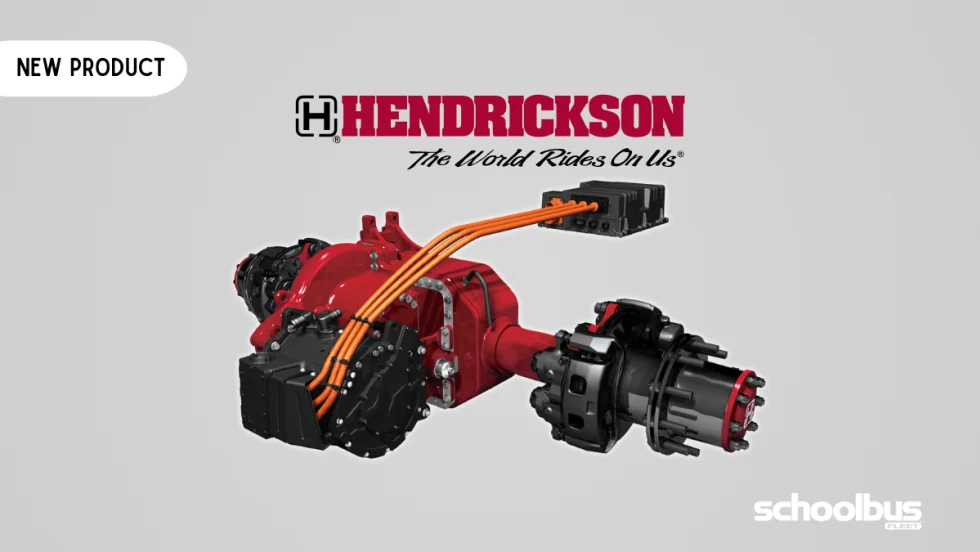
Hendrickson, Driventic Introduce New Electric Powertrain for School Buses
ELECTRAAX, the electrified, lightweight drive axle offers integrated ePowertrain efficiency and modular flexibility for Class 6–7 school bus use.
Read More →
The Mobility House Joins PowerFlex in Fleet Electrification Deal
The acquisition combines intelligent charging software, bidirectional charging expertise, and fleet electrification services to support the growing adoption of electric school buses across North America.
Read More →
Alt-Fuel Moves: Electric School Bus Investments Hit the Road
See which districts across the U.S. are putting electric school buses into service, expanding charging infrastructure, and planning the next phase of fleet electrification.
Read More →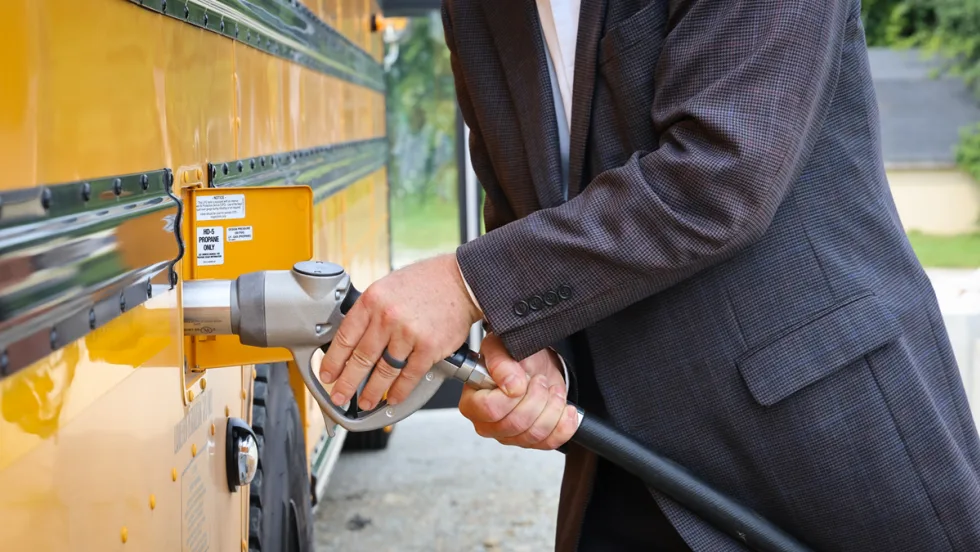
With Fuel Volatility Ahead, School Districts Turn to Propane
While diesel prices peaked above $5 this spring, districts with propane autogas-powered fleets paid under $2 per gallon, according to PERC.
Read More →
EPA Unveils Proposed Changes to 2027 Heavy-Duty Engine Rules
The federal agency has proposed changes to next year’s targets that would eliminate DEF derates, ease warranty requirements, and retain current NOx emissions standards.
Read More →
Alt-Fuel Moves: EV Charging & Infrastructure Projects Gain Momentum
The latest developments include new funding, charging infrastructure, utility investments, and fleet technologies designed to support the transition to electric school buses nationwide.
Read More →