



Did You Miss This News?
How Durham School Services will Help an Idaho School District Roll Out Electric School Buses
The integration process will take approximately 18 months for Boise School District, starting from the planning process to the delivery of the electric school buses.
July 29, 2024
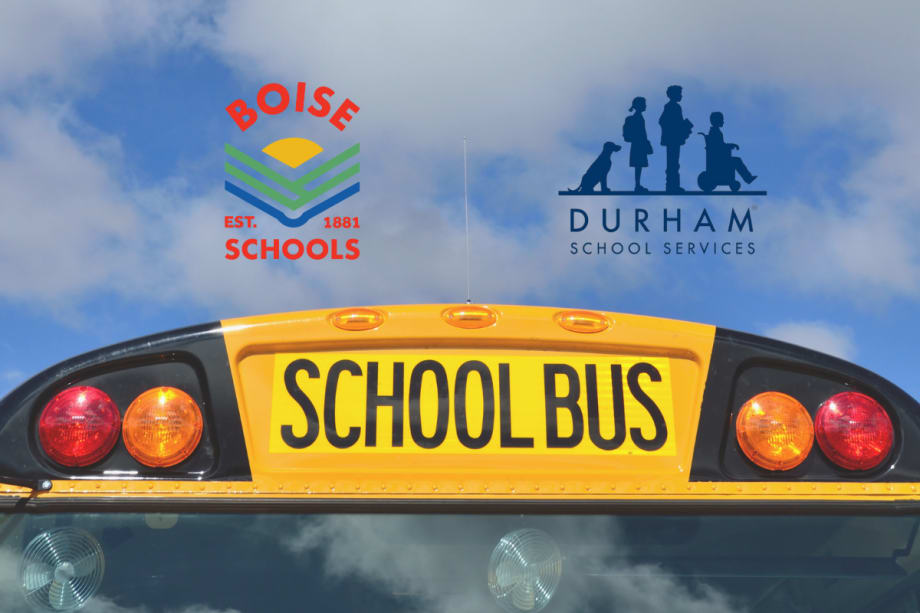
Boise School District anticipates having the new vehicles on the road for the 2026-2027 school year, barring any production delays.
Photo: Boise Public Schools/Durham School Services/School Bus Fleet
2 min to read
The Boise, Idaho, School District will roll out a pilot program to integrate up to eight electric school buses onto its existing fleet using $2,760,000 in grant funds from the latest round of awards through the Environmental Protection Agency’s Clean School Bus Program (CSBP).
The school district is working with Durham School Services, a subsidiary of National Express, and electric vehicle (EV) partner Highland Electric Fleets to get the program rolling. The integration process will take approximately 18 months starting from the planning process to the delivery of the electric school buses.
“This is a momentous development for our team and the school district. It not only elevates both our positions as proactive environmental leaders in our community and the EV space, but most importantly, demonstrates our commitment to building a healthier future for our students to thrive in,” said Brian Craig, North America New Vehicle Director for National Express. “We are excited to start on this green journey with the school district. Our teams are ready to jump right in and will be there every step of the way to ensure the successful integration of the EV buses.”
Electric buses have a 'triple bottom line': they’re good for the environment, good for public school budgets, and good for public health, Durham School Services noted.
Furthering Sustainability for Boise Schools
Since 2021, the Boise School District has demonstrated its commitment to improving the health of its students, teachers, and community by pledging its support to the Boise School District Collective Commitment on Clean Energy.
As part of the national Efficient and Healthy Schools Program, the school district was recently recognized with two awards for its commitment to energy efficiency and supporting healthy schools. This honor has allowed it to gain further recognition as an environmentally conscious organization.
“We are proud of the national recognition, endorsement, and opportunities given to us to continue our pursuit in creating a healthier, sustainable future for our students and community,” said Ali Ward, Sustainability Supervisor, Boise School District. “The grant funds will allow us to spearhead our student transportation electrification efforts and continue on our way to becoming an environmentally responsible role model in our community. As we embark on this new EV journey, we are fortunate to have support from our partners, Durham School Services and Highland Electric Fleets and look forward to seeing the positive impact the new school buses will have on our community.”
The school district anticipates having the new vehicles on the road for the 2026-2027 school year, barring any production delays.
More Alternative Fuels
Bipartisan Bill Seeks to Extend Clean School Bus Program Through 2031
The proposed legislation would renew federal support for cleaner school buses as districts navigate funding uncertainty, rising fuel and infrastructure costs, and fleet replacement needs.
Read More →
Alt-Fuel Moves: Electric Bus Rollouts, Bidirectional Charging & Propane Growth
See which fleets are adding electric and propane school buses as districts and operators invest in charging infrastructure, bidirectional technology, and alternative-fuel expansion.
Read More →
Nobody Told Diesel Prices They Were Supposed to Come Down
With diesel prices surging, school bus fleets have new reason to stress-test fuel costs, consider diversification, and calculate what each route really costs to operate.
Read More →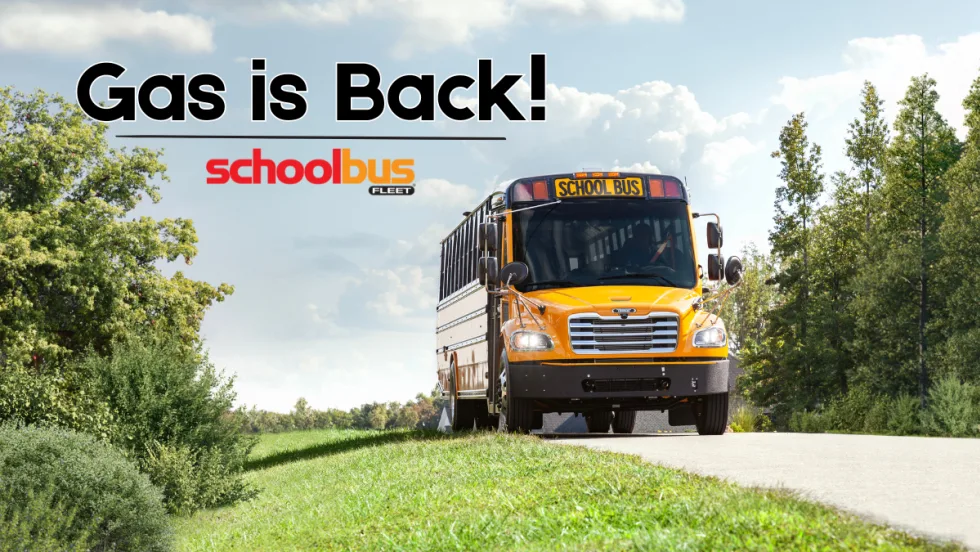
Why Gasoline School Buses Are Making a Comeback
Gasoline is gaining ground in full-size school buses. See how today’s options stack up against diesel on cost, maintenance, emissions, performance, and more.
Read More →
EPA Opens $180M DERA Funding Round for Diesel Upgrades
The 2026 Diesel Emissions Reduction Act program seeks applications from eligible organizations to accelerate the retirement of legacy diesel vehicles.
Read More →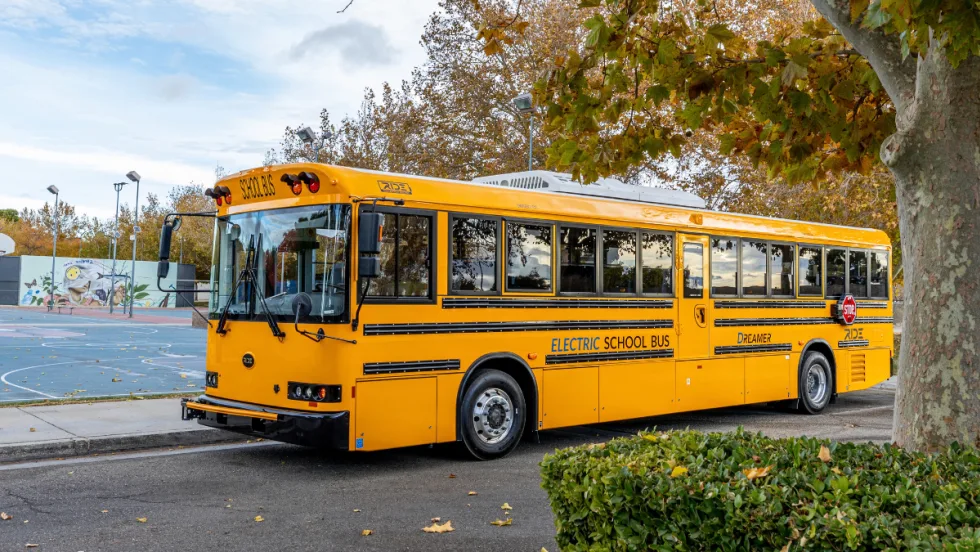
The Secret Life of an Electric School Bus Battery
Batteries change throughout years of daily routes, but degradation doesn’t necessarily mean the end. Here’s what operators should know about performance, safety, and second life.
Read More →
CALSTART and Forth Combine to Form Catalyst Mobility
The new name represents a renewed vision for the nonprofit focused on advancing clean, equitable, and affordable transportation solutions that move people and goods.
Read More →
Alt-Fuel Moves: New Buses, Charging Hubs & Real-World EV Testing
Propane and electric school bus deployments continue to grow as districts add new vehicles, expand charging infrastructure, and gather more real-world operating data.
Read More →
Fewer Electric School Bus Models Reshape the U.S. Market
WRI’s latest buyer’s guide points to a consolidating electric school bus market, but fewer options may reflect a maturing industry rather than fewer meaningful choices for school bus operators.
Read More →
The Fuel Budget You Can Actually Predict: How Propane Autogas Keeps Money in the Classroom
Learn how propane autogas helps school districts manage fuel costs with predictable pricing, lower maintenance, and reduced emissions from former transportation director Joel Stutheit.
Read More →