





Have School Districts Adapted to Bus Driver Shortages or Simply Accepted Less Service?
HopSkipDrive’s CareEngine Targets the ‘Exceptions’ in Student Transportation
The new platform works alongside districts’ existing transportation management systems to coordinate specialized rides, automate last-minute changes, and turn ride data into operational improvements.
September 24, 2026
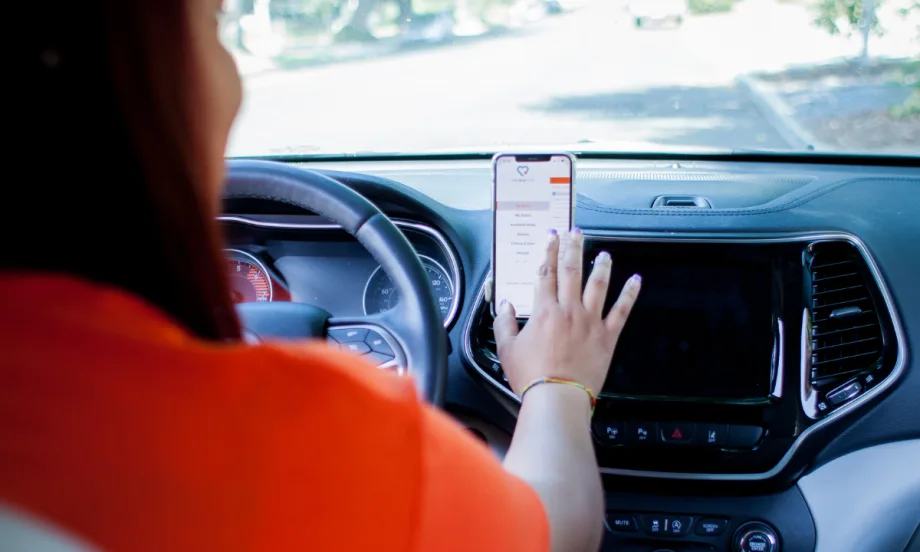
HopSkipDrive’s CareEngine platform coordinates ride information and updates across its apps for district staff, schools, families, and CareDrivers. The system is designed to work alongside districts’ existing transportation management systems to manage individualized and changing student transportation needs.
Credit:
HopSkipDrive
4 min to read
- HopSkipDrive’s CareEngine integrates with existing transportation systems to enhance the coordination of specialized rides for students.
- The platform automates handling last-minute transportation changes, improving response efficacy in student transit.
- Ride data is utilized to drive operational improvements and optimize student transportation services.
*Summarized by AI
HopSkipDrive is positioning its newly launched CareEngine platform as a complement to the transportation management systems (TMS) school districts already use.
The company debuted CareEngine this month as a technology platform designed to coordinate the people and information involved in its supplemental student transportation services. The system connects districts, schools, families, riders, CareDrivers, and HopSkipDrive’s Safe Ride Support team before, during, and after a trip.
For school transportation departments already juggling routing software, GPS systems, and parent communication apps, the difference comes down largely to the types of trips CareEngine is intended to manage.
“Most school transportation systems were built to manage predictable, fixed bus routes,” Chief Product and Technology Officer Corey McMahon at HopSkipDrive told School Bus Fleet. “They were not designed around the dynamic and individualized needs of a McKinney-Vento student whose address changes overnight, a wheelchair user whose usual provider becomes unavailable, a nonverbal rider who depends on specific accommodations, or a student in the foster system with a broad set of stakeholders responsible for their care.”
Working Alongside a District’s TMS
Districts can continue planning and managing traditional bus routes through their existing TMS. CareEngine instead coordinates HopSkipDrive rides for students whose transportation needs may not fit those fixed routes.
“That's where the exceptions live: an address that changes at 10:30 at night, a driver who calls in sick, a last-minute pickup instruction, moments a TMS and a generic parent app were never built to support,” McMahon said.
HopSkipDrive said new rides can be arranged in as little as six hours and location changes in as little as two hours. The company’s launch announcement similarly emphasizes the platform’s ability to coordinate changes across multiple stakeholders without requiring staff to relay the same information by phone, email, or text.
McMahon offered the example of a student's pickup location changing late at night. A district staff member can update the location in HopSkipDrive’s RideIQ platform, or a family can report the change to Safe Ride Support. Depending on district policy, families may also be permitted to make certain changes themselves.
“Either way, that's the only manual step,” McMahon said.
The change is then reflected in the CareDriver’s app, RideIQ for district staff, the school’s Daily Queue, and the family’s Caregiver app. If the change makes it impossible for the original CareDriver to complete the trip, McMahon said the platform identifies a qualified replacement familiar with the route.
“The district's team isn't separately calling the driver, emailing the school, or texting the family to make any of this happen. The platform handles the repetitive coordination while the district stays in control of what still requires human judgment,” he said.
Turning Completed Rides Into Operational Changes
CareEngine also collects information from completed rides to identify recurring issues rather than treating every delay or problem as an isolated event.
McMahon said that could mean determining whether late arrivals cluster around a particular school entrance, whether drivers repeatedly check in somewhere other than the intended pickup location, or whether a particular rider consistently needs additional boarding time.
Those patterns can lead to changes such as adjusting pickup windows, moving pickup pins, rewriting location instructions, updating ETA assumptions, changing service requirements, or providing additional education to CareDrivers.
“The goal is not to give transportation directors another dashboard,” McMahon said. “It is to turn patterns from completed rides into a better next ride.”
HopSkipDrive pointed to its use of precise pickup and drop-off pins as one example.
Across approximately 1.2 million completed trips, the company found that replacing street addresses with precise pickup and drop-off pins coincided with late pickups declining from 1.68% to 1.25%. Late drop-offs declined from 5.63% to 3.18%.
McMahon cautioned that the figures represent a before-and-after operational trend rather than the results of a controlled study.
The platform also feeds information into CareDriver Trends, which aggregates on-time performance, missed check-ins, and safety signals. HopSkipDrive uses those patterns to inform individual CareDrivers and, when problems persist, potentially remove them from the platform.
Specialized Transportation Needs Put Pressure on Districts
The CareEngine launch comes as districts contend with driver shortages and growing demand for specialized transportation.
HopSkipDrive said its 2026 State of School Transportation Report found that 71% of districts experienced at least one tangible operational consequence of driver shortages during the previous year, including longer ride times, missed or late pickups, and staff being reassigned to fill gaps. Nearly one-quarter (23%) reported they could no longer provide transportation for extracurricular activities or field trips.
HopSkipDrive described CareEngine as a way to bring coordination of those more individualized rides into one system while keeping transportation staff in control of decisions that require human judgment.
As McMahon put it, traditional transportation technology can tell a family where a vehicle is. CareEngine is intended to coordinate what happens when the plan itself changes.
“A GPS or parent app can show a family where a vehicle is right now; CareEngine goes further, updating a driver's route, alerting district staff, and confirming a new pickup with a family, all off a single edit,” McMahon said.
More Technology
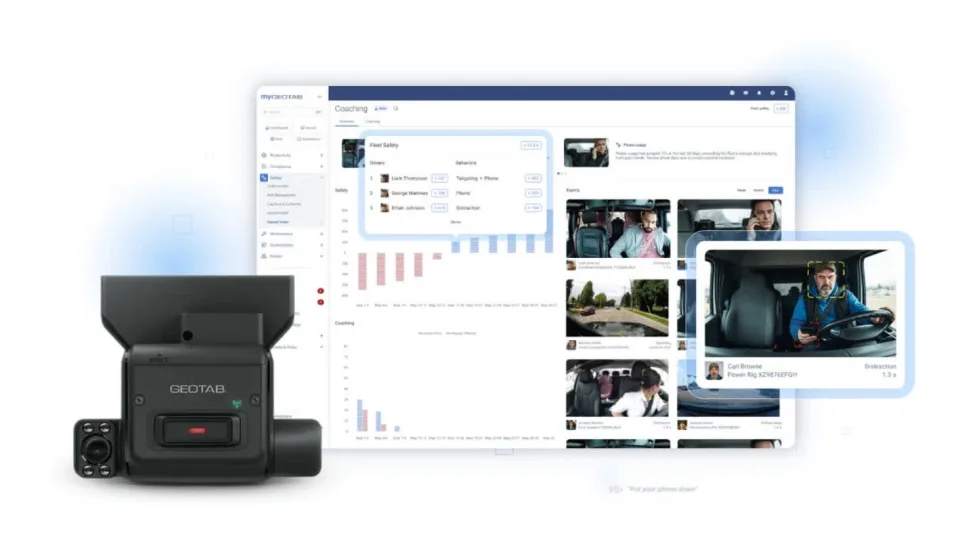
Geotab Expands Fleet Safety Tools With Video Coaching, Risk Insights
New safety and video capabilities aim to help fleet managers assess risk, support drivers, and take targeted action through video coaching, red-light violation detection, and more.
Read More →
Summit School Services to Complete Fleetwide Samsara Technology Rollout
The company said outfitting its entire fleet with AI-powered safety and fleet management technology will strengthen student safety and operational efficiency across its local brands.
Read More →
AI Tools Roundup: New Fleet Tools Aim to Turn Data Into Faster Decisions
The latest AI-powered platforms could help student transportation teams analyze fleet performance, manage maintenance, and uncover operational insights using natural-language queries.
Read More →
From Overwhelmed to Optimized: How AI Is Transforming School Transportation Leadership
Artificial intelligence is quickly becoming one of the most practical tools in today’s transportation office. Here’s how it is improving parent communication, board reporting, training development, and overall efficiency — without replacing professional judgment.
Read More →
How GPS Tracking Helps School Bus Fleets Improve On-Time Performance Without Adding Routes
Struggling with late buses? GPS data can help fleets cut delays, fix route bottlenecks, and improve on-time performance without adding routes.
Read More →
Where Is All This Tech Taking Us in 2026?
AI and industry technology shifts from reports to real-time coordination in 2026, unifying platforms, boosting safety tech, and making parent transparency the norm.
Read More →
Planning Before Purchasing: A 10-Step Framework for Vetting Tech
New tech tools can drive real impact or real frustration. Here’s how pupil transportation leaders can make smarter, safer, and budget-friendly tech decisions using a vetting process.
Read More →
Driving Made Safer: AI Cameras as a Bus Driver’s Co-Pilot
See how AI-powered driver assistance technology works as a partner on the road, offering timely alerts and coaching to keep students and drivers safe.
Read More →
Inside Parent Routing Apps: How Digital Tools Are Transforming School Transportation
From real-time tracking to instant alerts, technology is reshaping how districts communicate bus routes and changes with parents. Yet, as districts and vendors reveal, successful transportation hinges not just on apps, but also on the people and partnerships behind the screens.
Read More →
How Creative Routing Can Keep You Prepared for the Unexpected
Flexible routing, using routing tools, and easily communicable routes can help you keep ahead of any potential roadblocks when transporting students. Here are some tips for keeping the bus rolling and getting students to school on time, regardless of what the day brings.
Read More →