





Related News: HopSkipDrive Updates CareDriver Education & Certification Process
HopSkipDrive Announces Service Enhancements, Driver Support Successes
HopSkipDrive highlights its routing improvements for better on-time performance, as well as its focus on trained CareDrivers and consistent, supportive transportation for students with specialized needs.
February 26, 2026
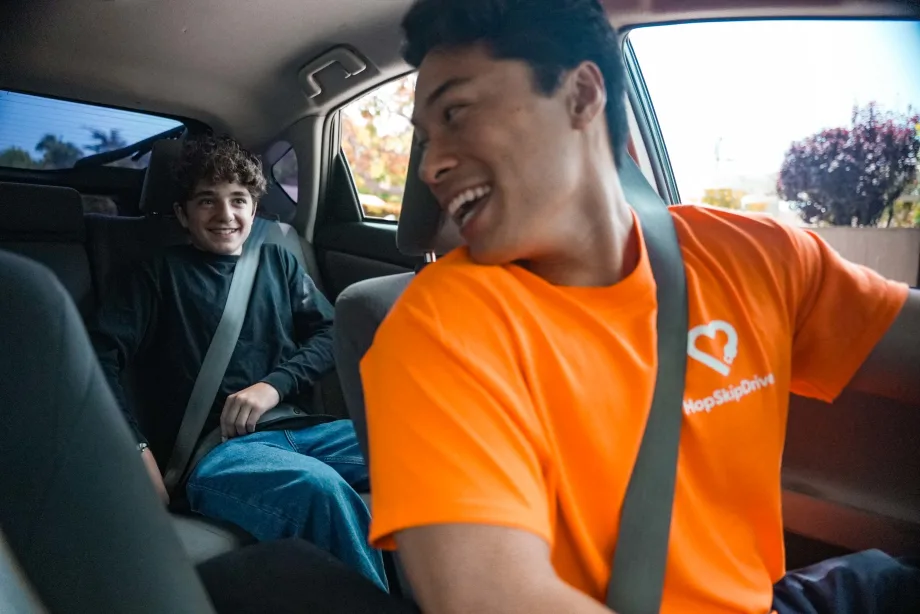
HopSkipDrive reports improvements in on-time performance and CareDriver training as part of its ongoing efforts to support districts and students with specialized transportation needs.
Credit:
HopSkipDrive
3 min to read
- HopSkipDrive has enhanced its routing technology to improve on-time performance by integrating Google Maps with operational data to minimize delays in school pickups.
- The company released new data on its CareDriver education program, emphasizing training initiatives aimed at supporting neurodivergent riders and students with special transportation needs.
- New driver training focuses on better serving students with individualized education programs and those experiencing homelessness.
*Summarized by AI
HopSkipDrive announced updates to its “on-time engine” and released new data on its CareDriver education program, highlighting efforts to improve timeliness and support for students with specialized transportation needs.
The company said its updated routing and operational tools are designed to reduce late arrivals and early drop-offs, while new driver training initiatives focus on supporting neurodivergent riders and students with individualized education programs (IEPs) or those experiencing homelessness.
Improvements To On-Time Performance
HopSkipDrive said it has refined its routing technology by combining Google Maps integration with more than a decade of operational data. The goal is to address what the company describes as the “timing gap” — the additional minutes spent navigating school pickup lanes and internal traffic patterns.
“Five minutes can be the difference between a student receiving their morning meal or missing their first class,” said Corey McMahon, chief product and technology officer.
The company identified three key updates aimed at improving timeliness:
- Predictive Procedure Time: Using historical data, HopSkipDrive models the time required for students to safely enter and exit vehicles, particularly in complex pickup environments.
- Enhanced CareDriver Instructions: Improved pickup notes for complicated school layouts have increased internal quality scores for driver instructions and reduced delays.
- Verified Location Pins: Precise map pins identify specific doors or lanes for pickup and drop-off, reducing confusion at school sites.
HopSkipDrive also provides real-time ride visibility through tools for administrators, school staff, and caregivers. RideIQ supports district administrators, Daily Queue provides live ride data for school staff, and the HopSkipDrive app offers updates to parents and caregivers.
The system is supported by the company’s Safe Ride Support team, which monitors rides and addresses issues in real time.
“Allowing on-site staff to see live ride data means they can effectively track rides and coordinate smoothly,” said Marcy P., director of transportation at Littleton Public Schools.
According to HopSkipDrive, consistent, on-time transportation supports attendance and helps reduce missed instructional time for vulnerable student populations.
CareDriver Training and Experience
In separate news, HopSkipDrive reported that 94% of surveyed CareDrivers said they feel confident supporting neurodivergent riders after completing the company’s driver education program. Additionally, 85% of surveyed drivers said the training resources were essential in preparing for specialized rides.
The company said its CareDrivers bring a median of 10 years of prior caregiving experience. Drivers complete a 15-point certification process that includes fingerprint-based background checks and video screenings to assess empathy and situational judgment.
Training topics include:
- Trauma-informed care
- Support for neurodivergent riders and sensory sensitivities
- De-escalation techniques
A parent in Los Angeles cited the consistency and attentiveness of her child’s driver, noting the importance of a calm and supportive environment.
Direct Accountability and Oversight
HopSkipDrive operates as a licensed and regulated Transportation Network Company and maintains a direct relationship with its CareDrivers, rather than subcontracting to third-party providers.
Because of this structure, the company said it can provide consistent training, compliance oversight, and reporting across its network.
“Safety and education are the foundation of our model,” said Jennifer Brandenburger, senior vice president of safety. “Direct accountability ensures drivers are prepared for the students they serve.”
HopSkipDrive partners with school districts to provide transportation for students who are not a fit for traditional bus service, including those with IEPs, students in foster care, and students experiencing homelessness.
Quick Answers
HopSkipDrive announced updates to its 'on-time engine' and released new data on its CareDriver education program, aimed at improving timeliness and support for students with specialized transportation needs.
*Summarized by AI
More Management
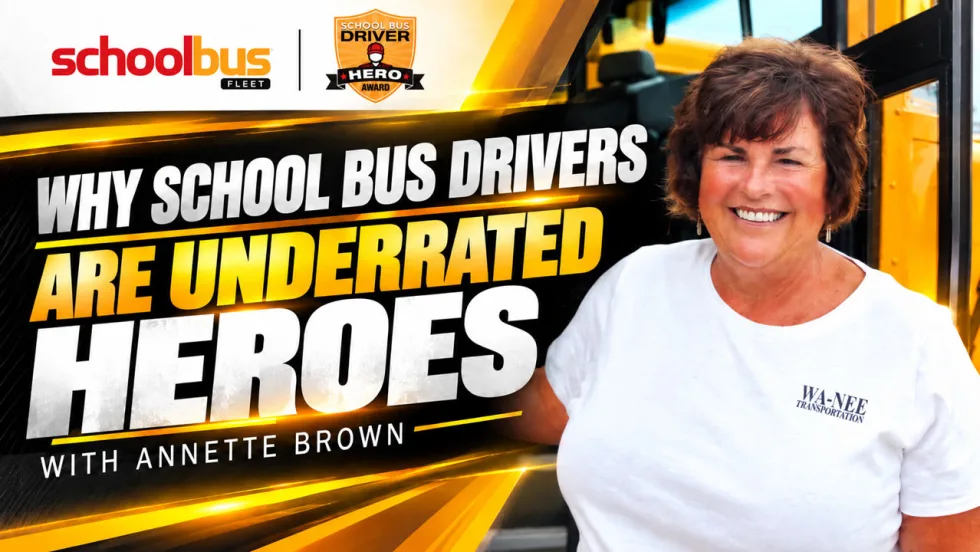
Meet the 2025 School Bus Driver Hero Winner: Annette Brown
We caught up with Wa-Nee Community Schools' Annette Brown on site at SBFX, where she was named the 2026 School Bus Driver Hero Award winner. Hear about her reaction, what she loves most about being a school bus driver, and more!
Read More →
Predictability Is Like Ketchup (According to 6-Year-Olds)
To students, a different school bus can feel like a full-blown crisis. One driver reflects on why familiar routines, showing up on time, and being reliably boring matter more than we think.
Read More →
Samsara Launches Free Driver Rewards Program
The new Driver Perks program gives eligible professional drivers access to discounts and offers without adding a cost for participating fleets.
Read More →

How Tax-Exempt Municipal Leases Can Help Finance School Buses
Let’s explore school bus financing options, including municipal leases, vendor payable accounts, and balloon payments, and how they can help stretch fleet budgets.
Read More →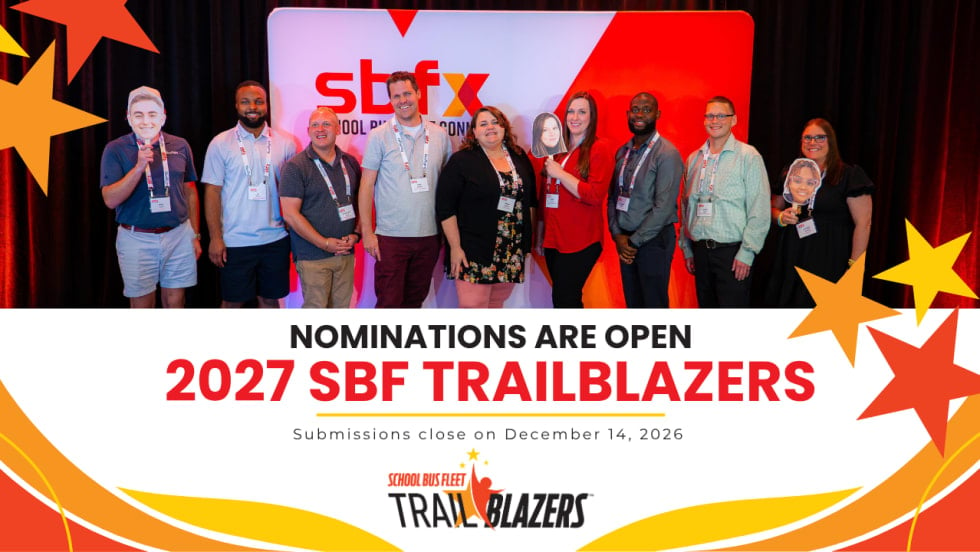
Nominate Rising School Transportation Pros Under 40!
We’re searching for the next generation of leaders making an impact across the K-12 student transportation industry to recognize as SBF’s 2027 Trailblazers. Nominations are open now!
Read More →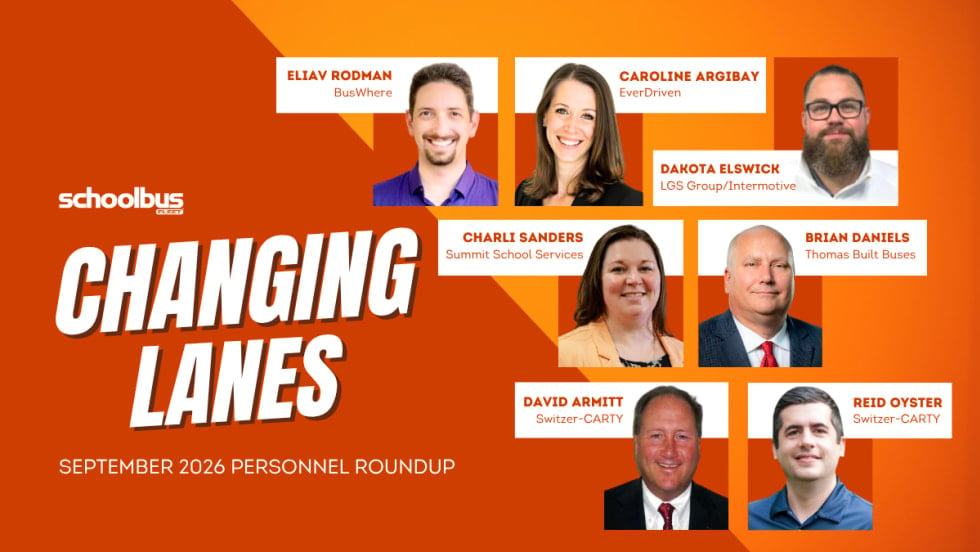
Changing Lanes: BusWhere, EverDriven, InterMotive, Summit School Services, Switzer-Carty & Thomas Built Buses
Check out who's been hired, promoted, and appointed to leadership positions at various school transportation suppliers, contractors, and manufacturers.
Read More →
The Most Expensive Thing You Do Before Selling a School Bus: Wait
When should you sell an aging school bus? Learn how maintenance, mileage, corrosion, specifications, and timing can affect resale value long before the auction.
Read More →
American Student Transportation Partners Acquires AJ Myers and Sons
A new deal brings a 75-year Pennsylvania student transportation provider into one of the nation’s largest private school bus contracting groups.
Read More →
What I Brought Home From SBFX: Relationships, Leadership, and Preparing What's Next
Who could lead your transportation operation tomorrow if you couldn't? Bernando Brown explores succession planning, mentorship, and preparing emerging leaders to step up.
Read More →
Inside School Bus Fleet ConneX 2026: Industry Leaders Connect in Scottsdale [Photos]
See highlights from SBFX 2026 in Arizona, where school bus operators and suppliers gathered for meetings, education, networking, awards, and more.
Read More →