





Pupil Transporters Work to Meet Changes Aimed at Helping More Homeless Students
Housing Instability Increases: Alternative Transporters Report McKinney-Vento Trends
With a 167.4% increase in McKinney-Vento students served since 2020 from one alternative student transportation provider and +4,859% from another, both EverDriven and HopSkipDrive speak out about how to support students in transition.
January 21, 2025
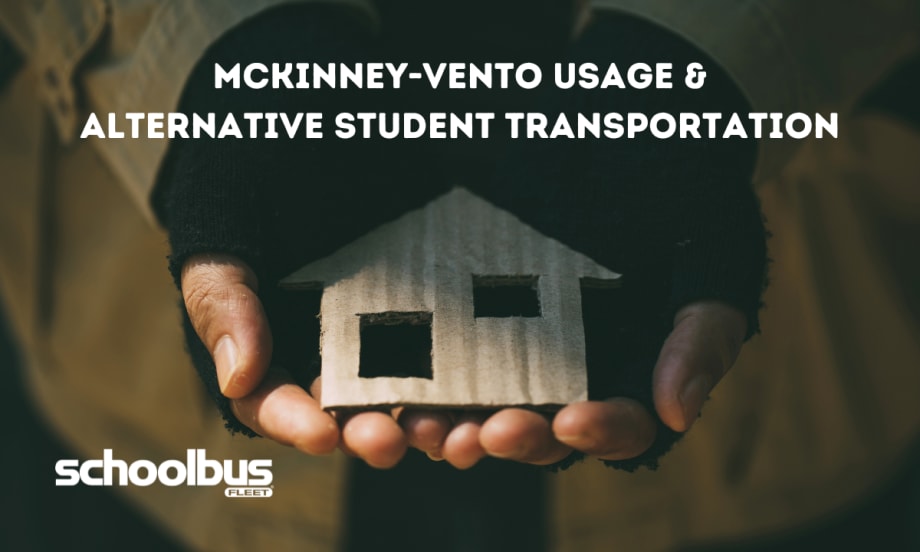
Recent data from the U.S. Department of Housing and Urban Development revealed a 39% rise in families with children experiencing homelessness across the country in just one year, marking the most significant increase in U.S. records.
Photo: SBF/Canva
3 min to read
Just as students with special needs are increasing, so too are students experiencing homelessness or unstable living, and alternative transportation providers are speaking out.
EverDriven last week reported a 167.4% increase in McKinney-Vento students driven since 2020.
Even more astonishing are the figures HopSkipDrive reported to SBF for the same period: a 4,859% increase in rides for students eligible under McKinney-Vento and a 2,624% increase in rides for students on an IEP. Neither figure contains a typo.
The McKinney-Vento Homeless Assistance Act of 1987 defines homeless children and youth as students who lack a fixed, regular, and adequate nighttime residence. The federal legislation requires school districts to offer transportation to students experiencing homelessness or who live in unstable housing.
The increase in McKinney-Vento students served aligns with findings from the United States Department of Housing and Urban Development, which reports that homelessness continues to soar. According to its 2024 Annual Homelessness Assessment Report, the U.S. faces the highest level of homelessness ever recorded.
The percentage of families with children experiencing homelessness rose by nearly 39% in just one year, marking the greatest increase in U.S. records.
“Homelessness among students is a national problem, and transportation remains one of the most crucial barriers to education for these students,” said Mitch Bowling, CEO at EverDriven. “Reliable transportation ensures that students experiencing homelessness can attend school to access shelter, meals, community, education, and stability, all of which are essential to their development.”
The growing percentage of students eligible for McKinney-Vento often struggle with attendance, given the instability of their day-to-day lives. According to a March 2024 report, lack of transportation is one of the key causes of chronic absenteeism.

HopSkipDrive has the ability to arrange a ride in as little as six hours, leaving less chance for schooling interruptions.
Photo: HopSkipDrive
And, we all know how challenging it is on transportation staff to accommodate routing changes; a school bus can’t easily be rerouted 40 miles to pick up one student with just a few hours’ notice.
“Increases in homelessness are not only heartbreaking, but logistically challenging for schools,” said Joanna McFarland, CEO and co-founder of HopSkipDrive. “Compassionate and dedicated district leaders work endlessly to build support and solve for a host of issues.”
Alternative transportation providers offer a solution to the problem of absenteeism.
“Supplemental transportation is a needed addition to a school district’s toolkit for students with disabilities given they may not thrive on a school bus or may need additional transportation during the day,” McFarland said. “HopSkipDrive safe, reliable rides from vetted, local caregivers is a step toward normalcy and consistent access to schools’ comfort, care, and educational opportunities.”
“Changes in a student’s housing should not affect their ability to get to school, and at EverDriven, we go the extra mile to make sure they can,” Bowling said. “We understand the critical role that consistent education plays in shaping a child’s future. Our services are designed to combat chronic absenteeism and provide stability in otherwise uncertain circumstances.”
More Management
How to Build a Better Driver Training Program
Ready to boost up your school bus instructor training? Here’s how to pick the right talent and improve recruitment, retention, and safety.
Read More →
CALSTART and Forth Combine to Form Catalyst Mobility
The new name represents a renewed vision for the nonprofit focused on advancing clean, equitable, and affordable transportation solutions that move people and goods.
Read More →
What Makes a Great School Bus Driver Trainer?
Choosing the right school bus driver trainer takes more than experience. Learn six keys to selecting and developing trainers and evaluating program effectiveness.
Read More →


School Bus Contractors Expand Through New Deals, Acquisitions & Partnerships
STA's Canadian division acquires Ontario-based G&L Stevenson Transport while Durham School Services adds a new district contract in California, First Student adds a New Jersey contract, and Minnesota Coaches acquires Halo Transportation.
Read More →
Logan Bus Company Rolls Out AI Phone System for NYC School Bus Families
A summer pilot found that AI agents could handle most routine calls, freeing up time for customer service staff to focus on emergencies and complex family concerns.
Read More →
From Intent to Impact: What I Learned About Leadership from TAPT
A Texas transportation supervisor shares lessons on self-awareness, accountability, managing stress and building trust — and why investing in leadership development matters at every stage of your career.
Read More →
NAPT Names 2026 Award Recipients, Hall of Fame Inductee
Who earned national recognition for their work in student transportation? This year, NAPT named five recipients of its 2026 awards for service, safety, and leadership, plus its newest Hall of Famer.
Read More →
Sponsored•September 2, 2026
2026 State of Student Transportation Report
Driver shortages. Rising costs. Growing safety expectations. More data, but not enough time to act on it. The 2026 State of Student Transportation Report reveals what transportation leaders say is putting the most pressure on their operations—and where they’re investing next. See how your priorities compare.
Read More →
How to De-Escalate an Angry Person: 5 Steps for Handling Workplace Conflict
What makes emotions run high, and how should you handle an angry colleague or parent? Follow these steps for staying calm, listening, showing empathy, and resolving conflict.
Read More →
Sponsored•September 1, 2026
What Readiness Looks Like This School Year
Learn about the challenges shaping the 2026–2027 school year, from persistent driver shortages and budget pressure to technology and readiness gaps. See how school districts are responding and adapting in Zonar’s 2026 Back-to-School Readiness Report.
Read More →