





Keep Reading: 8 Recruitment & Retention Strategies That Work
Have School Districts Adapted to Bus Driver Shortages or Simply Accepted Less Service?
According to a recent report from HopSkipDrive, many districts appear to have recalibrated what "normal" transportation service looks like.
August 12, 2026
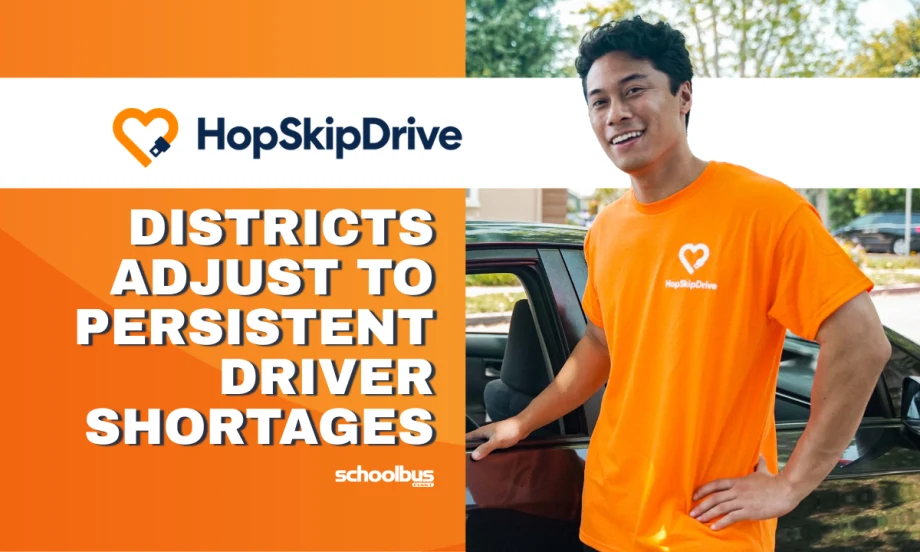
According to HopSkipDrive's report, more than half (54%) of district administrators said they have been asked to reduce transportation spending over the past two years.
Credit:
HopSkipDrive/School Bus Fleet
3 min to read
Bus driver shortages remain one of the biggest operational challenges facing school transportation. Still, a new report from HopSkipDrive suggests many districts may no longer be solving the problem as much as adapting to it.
According to HopSkipDrive's "2026 State of School Transportation Report," 71% of district administrators reported experiencing at least one operational consequence of bus driver shortages during the past year, including longer student ride times, missed or late pickups, route consolidations, staff burnout, and reduced transportation services.
While that figure represents an improvement from the peak staffing shortages seen during and immediately after the pandemic, researchers caution against interpreting it as evidence that the workforce crisis has been resolved.
Instead, many districts appear to have recalibrated what "normal" transportation service looks like.
"The underlying problem has not eased," the report stated. "Districts have absorbed the shortages and now treat the reduced service level as the norm."
For school transportation leaders, the findings reinforce a reality many have experienced firsthand, which manifests through years of route redesigns, expanded walk zones, and service reductions may have stabilized operations, but often by lowering service expectations rather than eliminating staffing shortages.
The Ripple Effects Extend Beyond the Bus Yard
Among districts reporting impacts from driver shortages:
- 46% reported longer ride times for students
- 39% experienced missed or late pickups
- 30% consolidated or canceled bus routes
- 26% cited transportation department staff burnout or turnover
- 23% said they could no longer provide transportation for extracurricular activities, athletics, or field trips
That last finding may have broader implications than transportation alone.
The report argues that eliminating transportation for after-school activities reduces student access to athletics, enrichment programs, and field trips — opportunities linked to student engagement and academic success. Rather than simply an operational adjustment, researchers describe these service reductions as changes that can affect the overall student experience.
Transportation's Strategic Role Continues to Grow
The report also highlights a challenge many transportation departments face as district leaders seek additional budget savings.
More than half (54%) of district administrators said they have been asked to reduce transportation spending over the past two years. Yet 61% said they do not know their annual transportation cost per rider, limiting their ability to evaluate where efficiencies actually exist.
Researchers argue that without understanding the full cost of transportation, including recruitment, staff time, insurance, and non-bus vehicle expenses, districts often reduce visible services such as routes instead of making more strategic operational decisions.
Beyond staffing, the report suggests transportation is increasingly influencing broader district priorities, including attendance, enrollment, and student outcomes.
Three-quarters (75%) of districts believe transportation access affects attendance, yet only 25% said they actively track that relationship. Nearly half (49%) of parents surveyed said transportation availability influenced where they enrolled their child, while 52% reported their child missed school at least once during the past year because of a transportation problem.
The report concludes that transportation should increasingly be viewed as a strategic asset rather than solely an operational function, arguing that districts integrating transportation into discussions around attendance, enrollment, and student success may be better positioned to respond to ongoing workforce and budget pressures.
More Management

Changing Lanes: BusWhere, EverDriven, InterMotive, Summit School Services, Switzer-Carty & Thomas Built Buses
Check out who's been hired, promoted, and appointed to leadership positions at various school transportation suppliers, contractors, and manufacturers.
Read More →
The Most Expensive Thing You Do Before Selling a School Bus: Wait
When should you sell an aging school bus? Learn how maintenance, mileage, corrosion, specifications, and timing can affect resale value long before the auction.
Read More →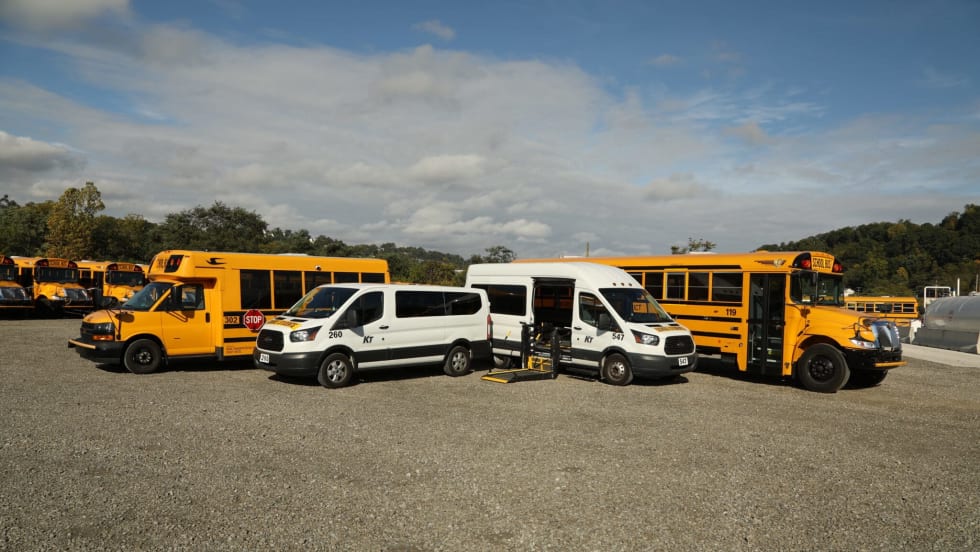
American Student Transportation Partners Acquires AJ Myers and Sons
A new deal brings a 75-year Pennsylvania student transportation provider into one of the nation’s largest private school bus contracting groups.
Read More →
What I Brought Home From SBFX: Relationships, Leadership, and Preparing What's Next
Who could lead your transportation operation tomorrow if you couldn't? Bernando Brown explores succession planning, mentorship, and preparing emerging leaders to step up.
Read More →
Inside School Bus Fleet ConneX 2026: Industry Leaders Connect in Scottsdale [Photos]
See highlights from SBFX 2026 in Arizona, where school bus operators and suppliers gathered for meetings, education, networking, awards, and more.
Read More →
School Transportation’s Biggest Pressures and Opportunities: SBFX Attendees Weigh In
School bus operators point to rising costs, staffing, and vehicle prices as immediate pressures while identifying technology, training, and routing as opportunities for growth.
Read More →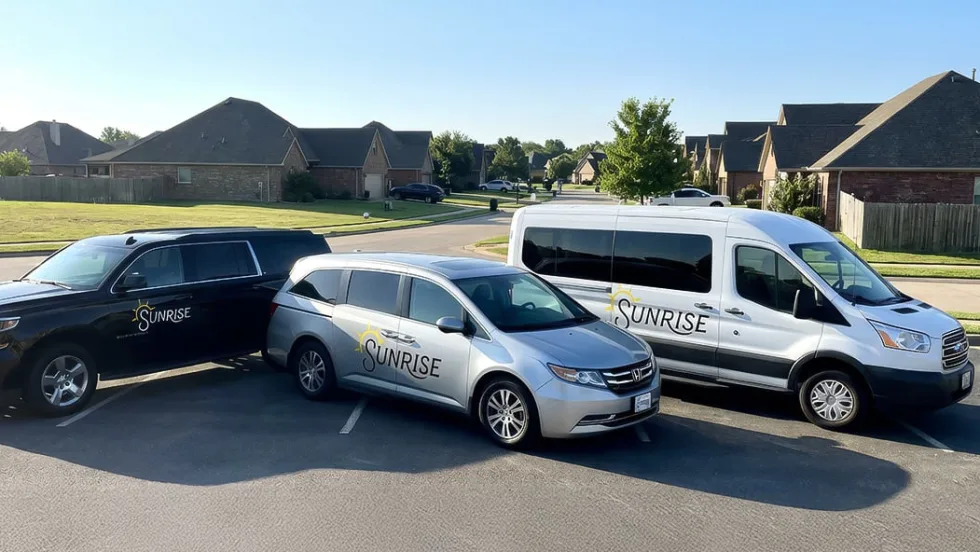
STA Acquires Sunrise Transportation
Student Transportation of America expands in Illinois and Connecticut through Sunrise's fleet of nearly 1,000 vehicles.
Read More →
EPA Opens $180M DERA Funding Round for Diesel Upgrades
The 2026 Diesel Emissions Reduction Act program seeks applications from eligible organizations to accelerate the retirement of legacy diesel vehicles.
Read More →
HopSkipDrive’s CareEngine Targets the ‘Exceptions’ in Student Transportation
The new platform works alongside districts’ existing transportation management systems to coordinate specialized rides, automate last-minute changes, and turn ride data into operational improvements.
Read More →
The Right Ride for Every Student: Navigating the New Student Transportation Ecosystem
How should districts blend school buses with small-vehicle transportation and other options? EverDriven CEO Mitch Bowling discusses safety, costs, partnerships, and strategy.
Read More →