




From Reactive to Proactive: Making Every Ride Visible
Smart technology only delivers its full value when it works together. See how Catalyst connects proven industry platforms to move student transportation from reactive to proactive.
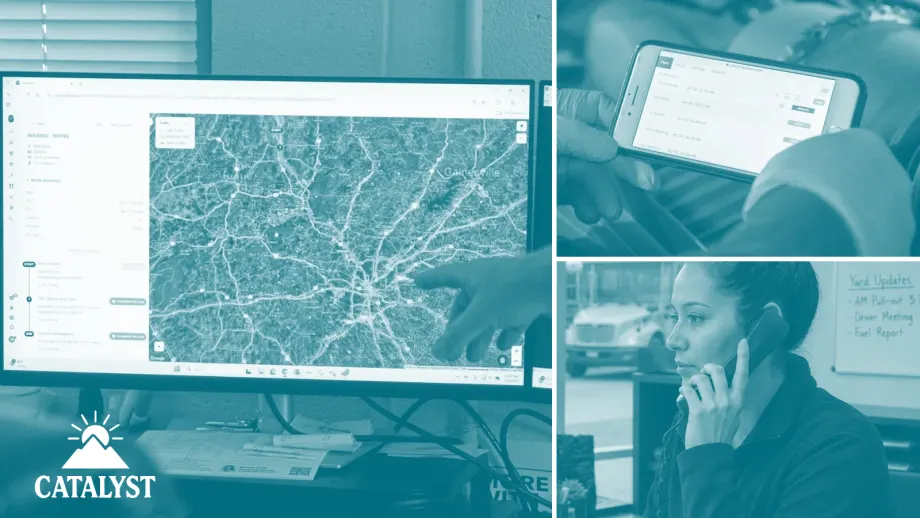
Summit School Services

- Catalyst integrates established industry platforms to enhance student transportation systems.
- The approach shifts transportation management from a reactive to a proactive model.
- Smart technology achieves optimal results when interconnected within these solutions.
*Summarized by AI
In student transportation, safety is held to the highest standard—so a communication breakdown when timely information matters most is a shortfall no one can afford. A parent waiting for the bus or a district partner awaiting incident footage are familiar scenarios for every transportation team.
Disruption Due to Fragmented Communication
When these situations occur, transportation teams work quickly to retrieve the needed data, but fragmented, isolated systems can prolong the process and make information difficult to access, resulting in communication gaps, delayed accountability, and even greater disruptions to districts and families.
The Solution to the Fragmentation: Catalyst
At Summit School Services, our technology stack, Catalyst, is our connected, flexible approach to safe, reliable student transportation that helps prevent disruptions while providing greater confidence and peace of mind for our district partners and families. Catalyst leads with proven, integrable technologies, consistent operating standards, and proactive, real-time data, all expertly implemented and leveraged by our dedicated teams to ensure efficiency, transparency, and operational success, all under one roof: Summit’s. With Catalyst, districts can also integrate our technology solutions into their existing platforms, providing flexibility to customize according to their needs.
Thanks to Catalyst’s connected approach and its ability to communicate and share real-time data across operations, everyone gains visibility when they need it—all connected by one integrated technology stack managed by an expert, local team. Parents no longer have to wonder where their student’s bus is, and district partners have timely access to onboard video footage and route updates.
— John Ziegler, VP of Business Development, Summit School Services
From Reactive to Proactive Operations
From advanced smart cameras and vehicle telematics via Samsara to GPS tracking and diagnostics, Summit has meticulously curated and integrated technologies to optimize its ability to share and communicate across platforms rather than remain isolated in separate systems. This connected approach improves efficiency and also helps lead the shift from reactive to proactive operations.
— Jim Wojciechowski, SVP of Safety, Summit School Services
This means actionable data for what matters most: safely transporting students. Potentially unsafe driving behaviors can be identified and avoided, inefficient routes can be adjusted to improve on-time performance, and emerging operational needs can be addressed before they become larger disruptions. By bringing proven, smart technologies together, we can transform our operational approach from reactive to proactive, enabling us to further enhance the way we safeguard our students, families, and districts while making every ride visible.
Making Every Ride Visible
With Catalyst, districts, families, and Summit teams gain a shared source of timely, operational information with tailored visibility to their needs. This connected visibility supports safer transportation, clearer communication, and more confident daily decisions.
— Dan Sutherland, Director of Support Operations, Carpentersville District 300
Districts Gain Visibility Into:
- Real-time Bus Locations and Student Ridership
- Enroute Bus Performance and On-board Videos
- Areas of Operational Improvement
Parents Gain Visibility Into:
- Student Tracking
- Bus Location and Arrivals
- Up-to-Date Route Delays or Changes
Summit Teams Gain Visibility Into:
- Emerging Unsafe Driver Behaviors
- Vehicle Maintenance Needs
- Route and Staff Performance
The Connector of Catalyst: The People
At the heart of our operations will always be the people—our team members. They are the ones who wield Catalyst to make informed decisions, lead the shift from reactive to proactive operations, and build trusting, communicative relationships with their communities and districts. Their actions transform the technology and elevate Catalyst, allowing for successful, proactive operations.
— Adam Silbernagel, SVP of Information Technology, Summit School Services
As expectations for transparency in student transportation continue to rise, Summit remains dedicated to evolving with those needs by offering an integrated, advanced technology stack that provides greater visibility one ride at a time.
Learn more about Catalyst and its connected capabilities on Summit School Service’s website: https://summitllc.com/technology/
This article reflects the views of Summit School Services and does not necessarily represent the views of School Bus Fleet or Bobit Business Media.
Quick Answers
Moving from reactive to proactive in student transportation means anticipating and addressing issues before they occur, rather than responding to incidents after they happen. This involves using smart technology to improve efficiency and safety.
*Summarized by AI
More Safety
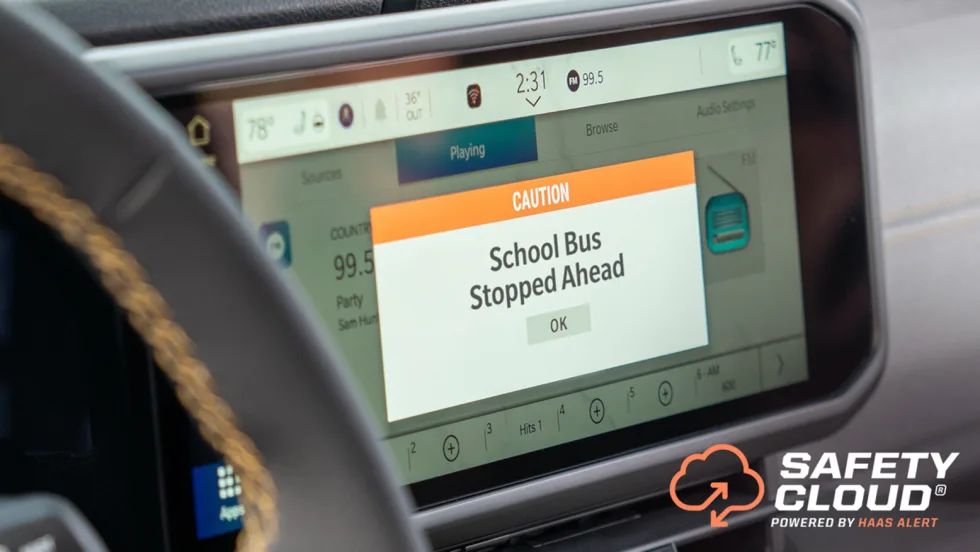
HAAS Alert’s Safety Cloud Warns Motorists of Stopped School Buses
Through a transponder or Samsara connection, the product lets school bus fleets send advance warnings to approaching drivers through in-vehicle alerts.
Read More →
HopSkipDrive Reports Progress on Safety Advisory Council
More than a year after forming the council, independent safety experts have helped shape new rider-safety features and policy progress, with a new goal to address rider behavior.
Read More →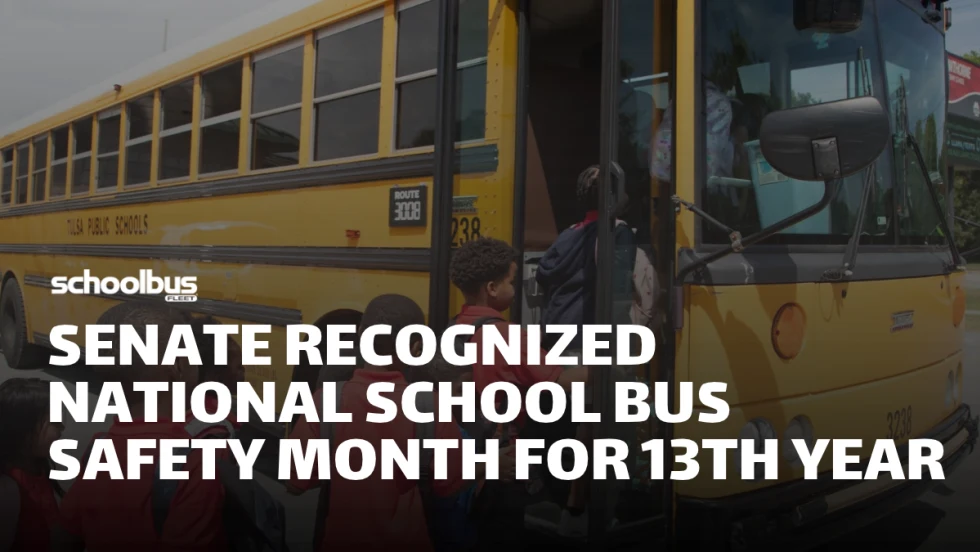
What the 2026 National School Bus Safety Month Resolution Means for Student Transportation
The bipartisan resolution highlights illegal school bus passing, student safety during loading and unloading, and the need for driver training and public education.
Read More →
School Bus Stop-Arm Violations Decline 53% Across Verra Mobility Programs
Verra Mobility shares how school bus stop-arm cameras and school zone safety programs are changing driver behavior, reducing violations, and protecting students.
Read More →
Most Bus Crashes Aren’t Your Fault. Here’s How to Prove It.
A guide for what to do in between a school bus crash and a claim: what to preserve, who to notify, and how to keep the facts available when they matter.
Read More →
National School Bus Safety Week 2026: Tips, Toolkits & Resources to Keep Students Safe
School bus safety takes more than awareness. Explore expert tips, enforcement strategies, and free resources to help protect students on every ride.
Read More →
2 Killed, Dozens Injured in Florida School Bus Crash
A multi-vehicle collision caused a Polk County school bus carrying 37 students to overturn on its way to Winter Haven High School.
Read More →
Illegal School Bus Passing Drops 24% in New York Districts
With fewer than 5% of citations involving repeat offenders, Westchester County officials said enforcement, education, and community partnerships are helping change driver behavior.
Read More →
School's Back. Here's What Happened to Traffic, Speeding & Distraction
What happens to traffic when school resumes? New data analysis examines changes in distracted driving, congestion, and speeding around schools.
Read More →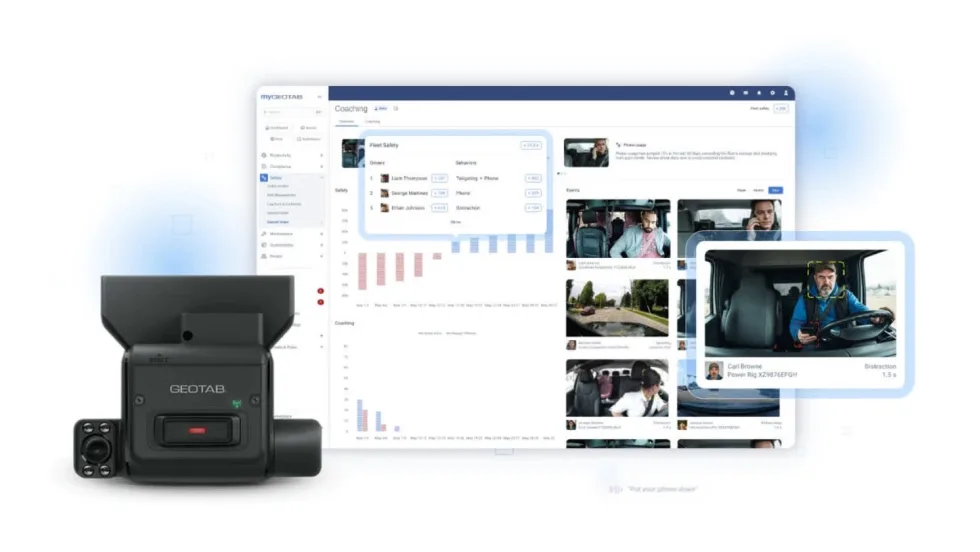
Geotab Expands Fleet Safety Tools With Video Coaching, Risk Insights
New safety and video capabilities aim to help fleet managers assess risk, support drivers, and take targeted action through video coaching, red-light violation detection, and more.
Read More →