





Dive Deeper: How New Clean Energy Tax Credits Can Benefit Transit Systems
GreenPower Vehicles Eligible for Commercial Clean Vehicle Credit
GreenPower’s all-electric commercial vehicle models weighing more than 14,000 pounds GVWR are eligible for up to $40,000 in tax credits.
February 22, 2023
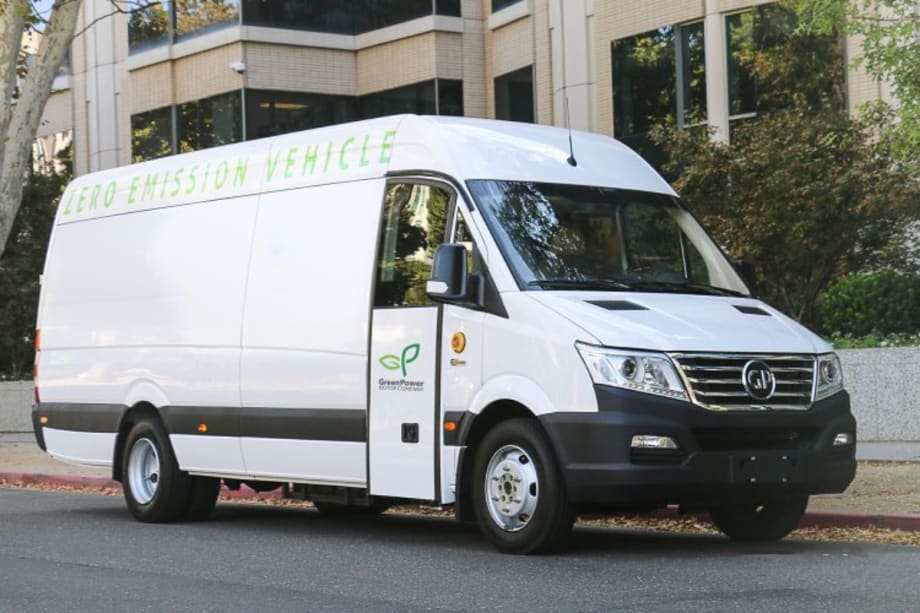
Tax credits for vehicles weighing less than 14,000 pounds GVWR are available for up to $7,500.
Photo: GreenPower
3 min to read
GreenPower Motor Company Inc. announced the company is now a qualified manufacturer for the commercial clean vehicle credit under the Inflation Reduction Act.
GreenPower’s all-electric commercial vehicle models weighing more than 14,000 pounds GVWR are eligible for up to $40,000 in tax credits, according to the company's news release. Tax credits for vehicles weighing less than 14,000 pounds GVWR are available for up to $7,500.
On Jan. 1, 2023, the commercial clean vehicle credit became available to businesses and tax-exempt organizations for the purchase of new electric vehicles to incentivize the adoption of EVs and support domestic production.
Currently, there is no limit on the number of tax credits a business can claim.
“As businesses continue to explore and invest in electrifying their fleets, they need help with costs to accelerate adoption,” said Brendan Riley, president of GreenPower. “By being a qualified U.S. manufacturer, we can proudly provide better, cleaner, and safer transportation alternatives to businesses looking to deploy purpose-built, all-electric vehicles including trucks and cargo vans. With the tax credit, owning an all-electric commercial vehicle will be more affordable in the long run than ICE units, in many cases.”
GreenPower vehicles available for the credit include:
EV Star: A multi-purpose, zero-emission, passenger transportation vehicle with a range of up to 150 miles and dual charging capabilities. The EV Star is the only Altoona-tested vehicle in its class with the highest score of 92.2 and can be used for paratransit, employee shuttles, microtransit, and vanpool service.
EV Star Cab and Chassis: The EV Star remains GreenPower’s flagship vehicle designed to take on any mid-and-last mile delivery while maintaining the benefits of being a zero-emissions vehicle. Classified as a heavy-duty class four mini-bus, the EV Star has a carrying capacity of 6,000 pounds and offers a 118-kWh battery capacity, capable of up to 150 miles of range on a single charge.
EV Star Cargo and Cargo Plus: GreenPower’s EV Star Cargo lineup exceeds delivery needs with a carrying capacity of up to 5,000 pounds, a cargo volume of up to 836 cubic feet, and a driving range of 150 miles. The class four vehicle is made to carry deliveries and can take on the most challenging routes.
Type D BEAST: GreenPower’s all-electric, zero-noise pollution school bus features a Monocoque chassis and has been designed from the ground up to be battery electric. The BEAST’s standardized features include air-ride suspension, ABS disk brakes, and pass-through storage with a seating capacity of up to 90 passengers.
Type A Nano BEAST: Purpose-built on GreenPower’s flagship EV Star platform with proven efficiency and reliability, the Nano BEAST’s clean sheet design approach facilitates battery pack placement and weight distribution, allowing the vehicle to accommodate a larger energy supply, delivering a longer range.
Originally posted on Metro
More Alternative Fuels

CALSTART and Forth Combine to Form Catalyst Mobility
The new name represents a renewed vision for the nonprofit focused on advancing clean, equitable, and affordable transportation solutions that move people and goods.
Read More →
Alt-Fuel Moves: New Buses, Charging Hubs & Real-World EV Testing
Propane and electric school bus deployments continue to grow as districts add new vehicles, expand charging infrastructure, and gather more real-world operating data.
Read More →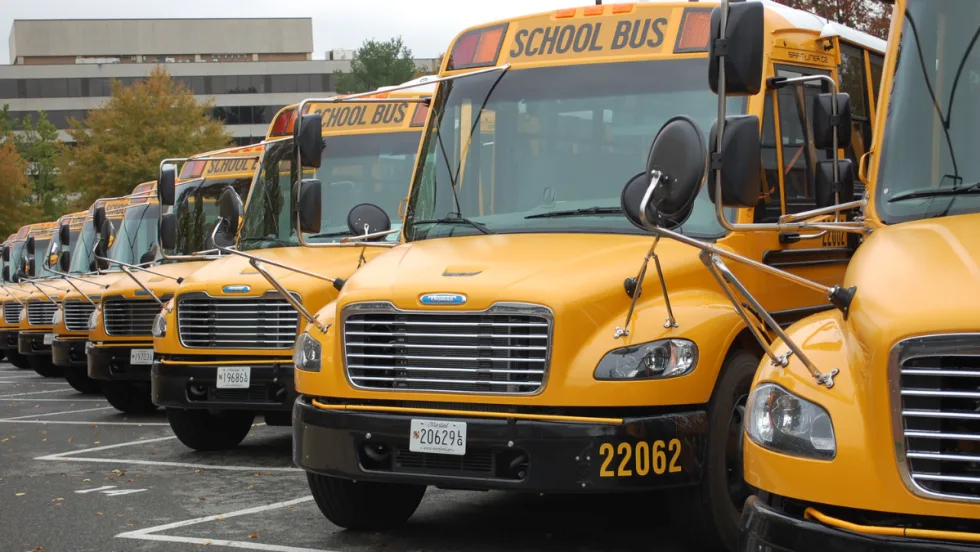
Fewer Electric School Bus Models Reshape the U.S. Market
WRI’s latest buyer’s guide points to a consolidating electric school bus market, but fewer options may reflect a maturing industry rather than fewer meaningful choices for school bus operators.
Read More →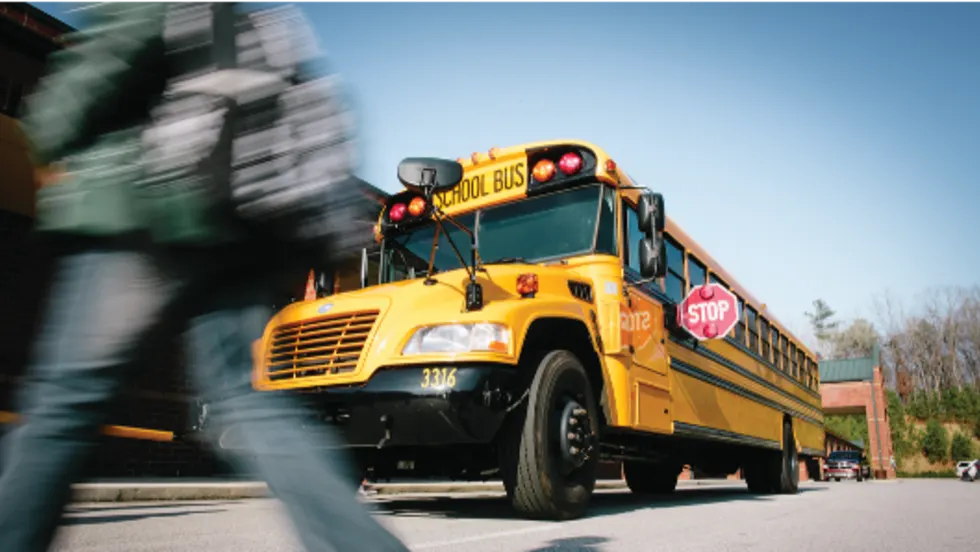
The Fuel Budget You Can Actually Predict: How Propane Autogas Keeps Money in the Classroom
Learn how propane autogas helps school districts manage fuel costs with predictable pricing, lower maintenance, and reduced emissions from former transportation director Joel Stutheit.
Read More →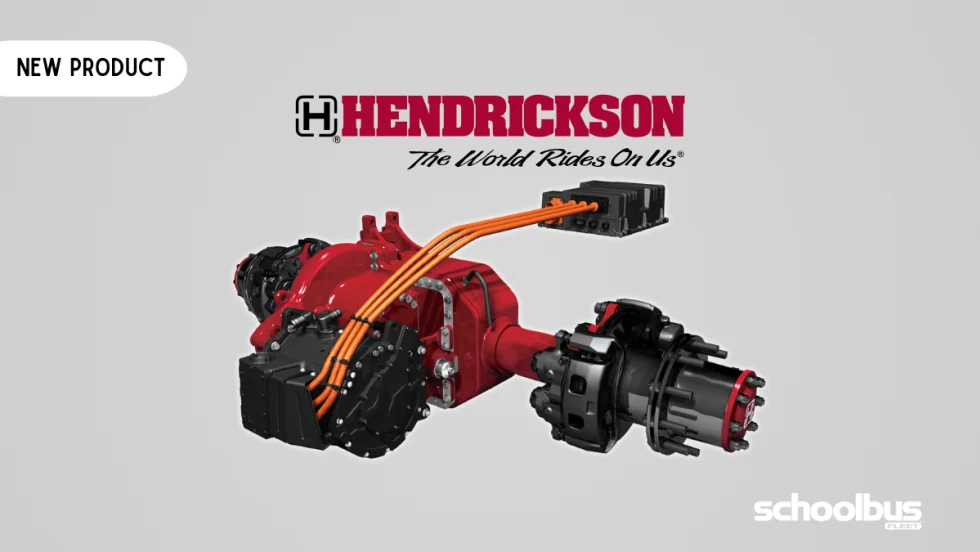
Hendrickson, Driventic Introduce New Electric Powertrain for School Buses
ELECTRAAX, the electrified, lightweight drive axle offers integrated ePowertrain efficiency and modular flexibility for Class 6–7 school bus use.
Read More →
The Mobility House Joins PowerFlex in Fleet Electrification Deal
The acquisition combines intelligent charging software, bidirectional charging expertise, and fleet electrification services to support the growing adoption of electric school buses across North America.
Read More →
Alt-Fuel Moves: Electric School Bus Investments Hit the Road
See which districts across the U.S. are putting electric school buses into service, expanding charging infrastructure, and planning the next phase of fleet electrification.
Read More →
With Fuel Volatility Ahead, School Districts Turn to Propane
While diesel prices peaked above $5 this spring, districts with propane autogas-powered fleets paid under $2 per gallon, according to PERC.
Read More →
EPA Unveils Proposed Changes to 2027 Heavy-Duty Engine Rules
The federal agency has proposed changes to next year’s targets that would eliminate DEF derates, ease warranty requirements, and retain current NOx emissions standards.
Read More →
Alt-Fuel Moves: EV Charging & Infrastructure Projects Gain Momentum
The latest developments include new funding, charging infrastructure, utility investments, and fleet technologies designed to support the transition to electric school buses nationwide.
Read More →