




Feds propose tighter standards for emissions, fuel efficiency
The EPA and NHTSA’s jointly proposed standards for medium- and heavy-duty vehicles — including school buses — would cover model years 2021 to 2027.

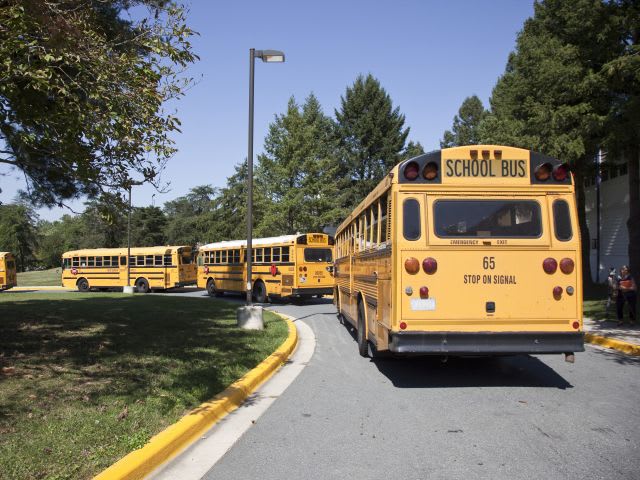
EPA and NHTSA’s proposal would increase fuel efficiency and decrease carbon pollution for medium- and heavy-duty vehicles, including school buses.
WASHINGTON, D.C. — Two federal agencies are jointly proposing new standards for medium- and heavy-duty vehicles — including school buses — that would increase fuel efficiency and decrease carbon pollution.
The proposal comes from the U.S. Environmental Protection Agency (EPA) and the National Highway Traffic Safety Administration (NHTSA). Agency officials said that the proposed standards are expected to lower CO2 emissions by about 1 billion metric tons, cut fuel costs by about $170 billion, and reduce oil consumption by up to 1.8 billion barrels over the lifetime of the vehicles sold under the program.
“Once upon a time, to be pro-environment you had to be anti-big-vehicles. This rule will change that,” U.S Transportation Secretary Anthony Foxx said. “In fact, these efficiency standards are good for the environment — and the economy. When trucks use less fuel, shipping costs go down.”
According to the EPA and NHTSA, medium- and heavy-duty vehicles currently account for about 20% of greenhouse gas emissions and oil use in the U.S. transportation sector, but they only account for about 5% of vehicles on the road.
The proposal announced on Friday builds on the Phase 1 fuel efficiency and greenhouse gas emissions standards that are already in place for model years 2014 to 2018.
The proposed Phase 2 vehicle and engine performance standards would cover model years 2021 to 2027. They would apply to semi-trucks, large pickup trucks and vans, and all types and sizes of buses and work trucks.
School buses fall under the category of vocational vehicles. The agencies are proposing new CO2 and fuel consumption standards for vocational vehicles starting in model year 2021, with increased stringency in model year 2024 and a fully phased-in stringency level in model year 2027.
The fully phased-in Phase 2 standards for vocational vehicles would reportedly achieve up to a 16% reduction in CO2 emissions and fuel consumption compared to Phase 1. The agencies project that the vocational vehicle standards could be met through improvements in the engine, transmission and driveline; lower rolling-resistance tires; idle-reduction technologies; and weight reduction.
Cummins, a key supplier of engines for large school buses, expressed its support for the federal agencies' proposed rulemaking.
"Cummins welcomes the proposal with its goals to improve fuel efficiency and reduce GHG [greenhouse gas] emissions, creating a win-win for both customers and the environment," said Dave Crompton, president of the company's engine business unit. "We are pleased that the new proposal builds upon the Phase 1 framework that aligns technological advances and industry success."
A public comment period will be open for 60 days after the proposal is published in the Federal Register. Also, NHTSA and the EPA will host two public hearings and will continue to meet with stakeholders during the comment period.
For more information on the proposal, go to this EPA web page or this NHTSA web page.
More Alternative Fuels
Alt-Fuel Moves: Electric Bus Rollouts, Bidirectional Charging & Propane Growth
See which fleets are adding electric and propane school buses as districts and operators invest in charging infrastructure, bidirectional technology, and alternative-fuel expansion.
Read More →
Nobody Told Diesel Prices They Were Supposed to Come Down
With diesel prices surging, school bus fleets have new reason to stress-test fuel costs, consider diversification, and calculate what each route really costs to operate.
Read More →
Why Gasoline School Buses Are Making a Comeback
Gasoline is gaining ground in full-size school buses. See how today’s options stack up against diesel on cost, maintenance, emissions, performance, and more.
Read More →
EPA Opens $180M DERA Funding Round for Diesel Upgrades
The 2026 Diesel Emissions Reduction Act program seeks applications from eligible organizations to accelerate the retirement of legacy diesel vehicles.
Read More →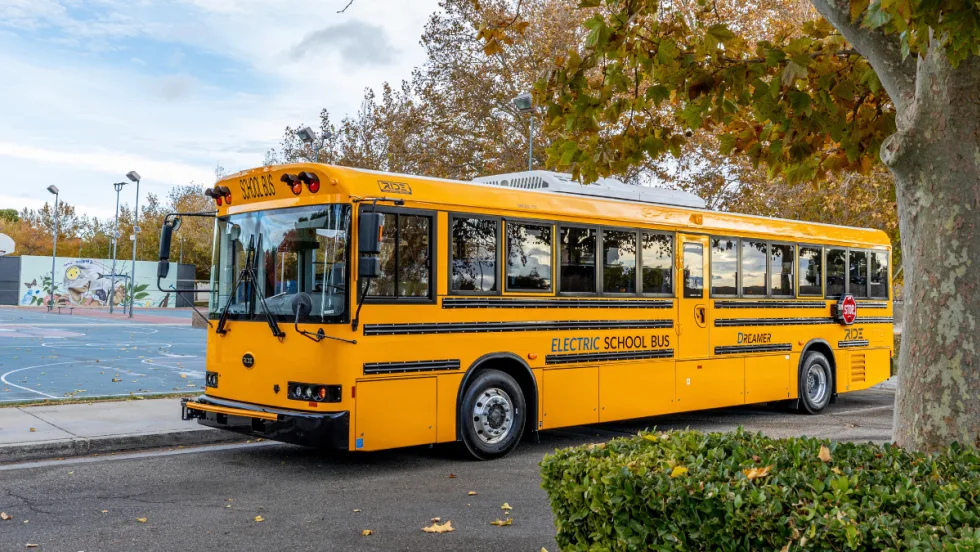
The Secret Life of an Electric School Bus Battery
Batteries change throughout years of daily routes, but degradation doesn’t necessarily mean the end. Here’s what operators should know about performance, safety, and second life.
Read More →
CALSTART and Forth Combine to Form Catalyst Mobility
The new name represents a renewed vision for the nonprofit focused on advancing clean, equitable, and affordable transportation solutions that move people and goods.
Read More →
Alt-Fuel Moves: New Buses, Charging Hubs & Real-World EV Testing
Propane and electric school bus deployments continue to grow as districts add new vehicles, expand charging infrastructure, and gather more real-world operating data.
Read More →
Fewer Electric School Bus Models Reshape the U.S. Market
WRI’s latest buyer’s guide points to a consolidating electric school bus market, but fewer options may reflect a maturing industry rather than fewer meaningful choices for school bus operators.
Read More →
The Fuel Budget You Can Actually Predict: How Propane Autogas Keeps Money in the Classroom
Learn how propane autogas helps school districts manage fuel costs with predictable pricing, lower maintenance, and reduced emissions from former transportation director Joel Stutheit.
Read More →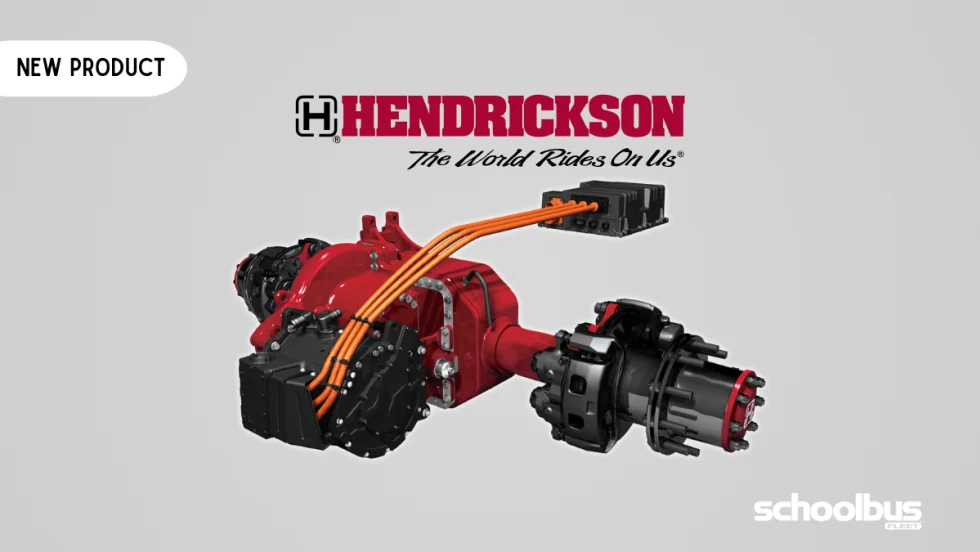
Hendrickson, Driventic Introduce New Electric Powertrain for School Buses
ELECTRAAX, the electrified, lightweight drive axle offers integrated ePowertrain efficiency and modular flexibility for Class 6–7 school bus use.
Read More →