




Cummins delivers nearly 37,000 SCR-equipped engines
The company's EPA 2010-certified engines are delivering up to 6 percent better fuel economy compared to their 2007 counterparts, customers report. Cummins’ aftertreatment system will be showcased at the Clean Diesel 10 event in Washington, D.C., this week.

COLUMBUS, Ind. — From their introduction in January to the end of September, Cummins manufactured and shipped nearly 37,000 EPA 2010-certified engines equipped with selective catalytic reduction aftertreatment technology to customers across North America.
Cummins reported that customer feedback indicates that these engines, are delivering up to 6 percent better fuel economy compared to their EPA 2007 counterparts.
"The positive feedback we're receiving from customers across North America in various environments is in line with both Cummins' and customers' expectations of our 2010 products. SCR is a key factor in enabling our engines to achieve these fuel economy improvements and performance standards," said Rich Freeland, president of engine business.
The ISX15 engine and Cummins’ aftertreatment system will be showcased at the Clean Diesel 10 event, which will be hosted by the EPA in Washington, D.C., on Tuesday and Wednesday. In addition, Cummins will join leaders from the Diesel Technology Forum at the event.
"Cummins is pleased to be with the Diesel Technology Forum this week to commemorate the evolution that the industry has made toward clean diesel," said Srikanth Padmanabhan, vice president and general manager of Cummins Emission Solutions. "Ten years ago, the EPA's Heavy-Duty Highway Diesel Rule was finalized, and the engines on display today are delivering over 90 percent reduction in oxides of nitrogen and particulate matter.”
More Alternative Fuels

EPA Opens $180M DERA Funding Round for Diesel Upgrades
The 2026 Diesel Emissions Reduction Act program seeks applications from eligible organizations to accelerate the retirement of legacy diesel vehicles.
Read More →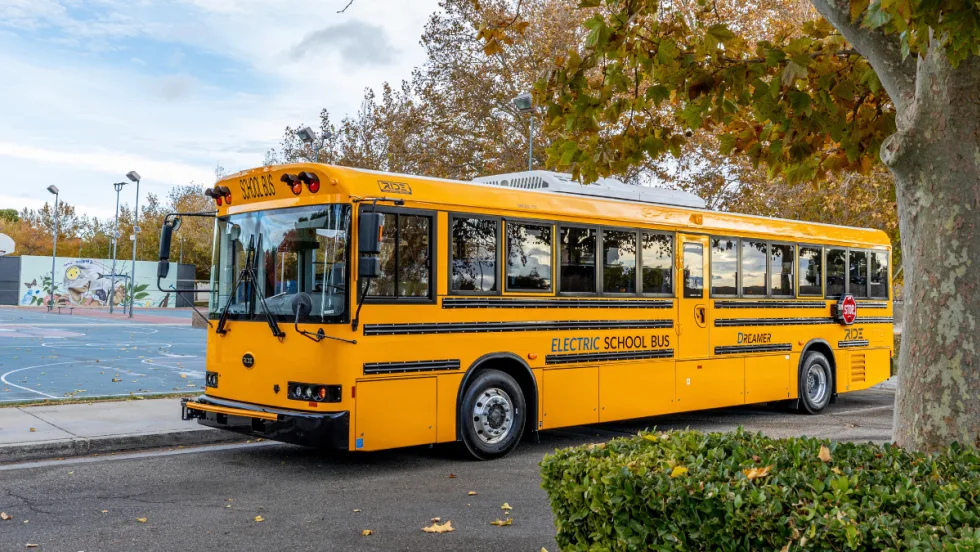
The Secret Life of an Electric School Bus Battery
Batteries change throughout years of daily routes, but degradation doesn’t necessarily mean the end. Here’s what operators should know about performance, safety, and second life.
Read More →
CALSTART and Forth Combine to Form Catalyst Mobility
The new name represents a renewed vision for the nonprofit focused on advancing clean, equitable, and affordable transportation solutions that move people and goods.
Read More →
Alt-Fuel Moves: New Buses, Charging Hubs & Real-World EV Testing
Propane and electric school bus deployments continue to grow as districts add new vehicles, expand charging infrastructure, and gather more real-world operating data.
Read More →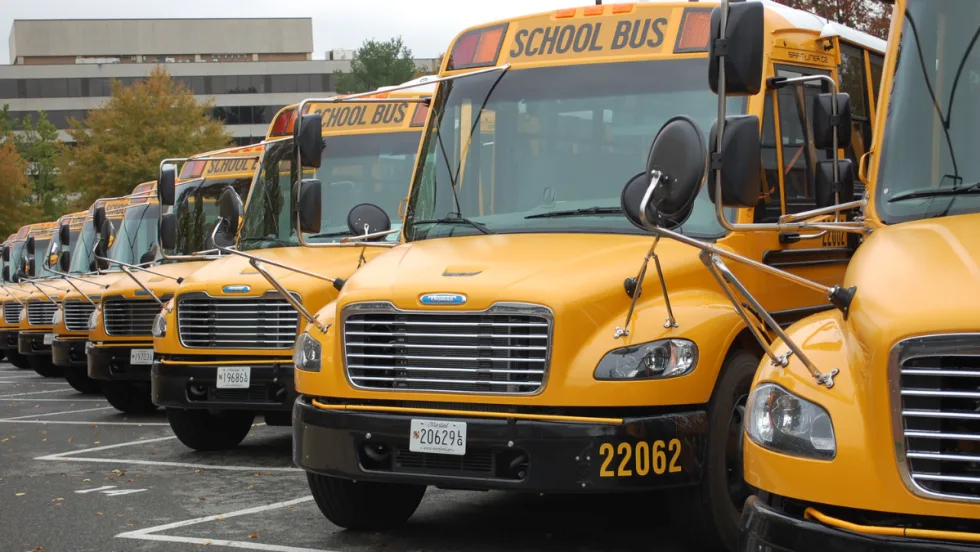
Fewer Electric School Bus Models Reshape the U.S. Market
WRI’s latest buyer’s guide points to a consolidating electric school bus market, but fewer options may reflect a maturing industry rather than fewer meaningful choices for school bus operators.
Read More →
The Fuel Budget You Can Actually Predict: How Propane Autogas Keeps Money in the Classroom
Learn how propane autogas helps school districts manage fuel costs with predictable pricing, lower maintenance, and reduced emissions from former transportation director Joel Stutheit.
Read More →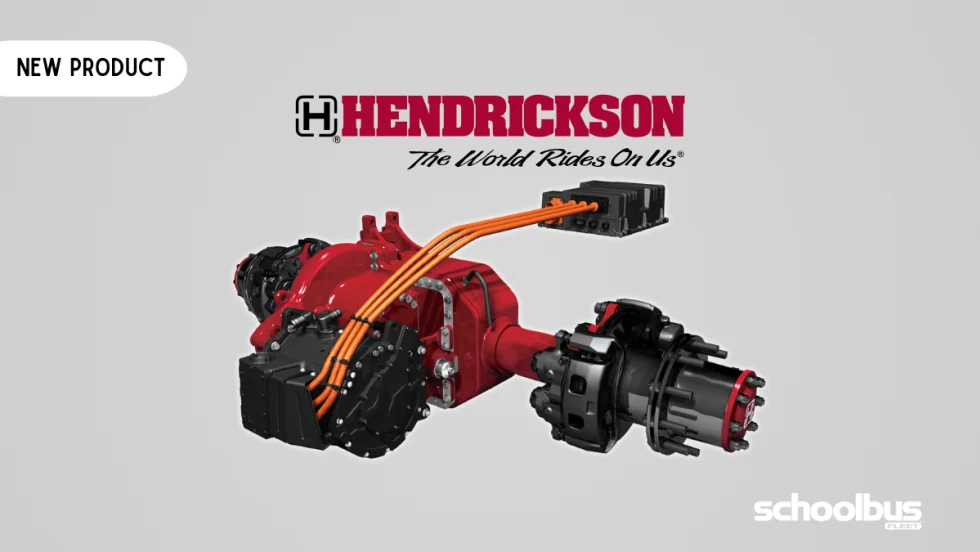
Hendrickson, Driventic Introduce New Electric Powertrain for School Buses
ELECTRAAX, the electrified, lightweight drive axle offers integrated ePowertrain efficiency and modular flexibility for Class 6–7 school bus use.
Read More →
The Mobility House Joins PowerFlex in Fleet Electrification Deal
The acquisition combines intelligent charging software, bidirectional charging expertise, and fleet electrification services to support the growing adoption of electric school buses across North America.
Read More →
Alt-Fuel Moves: Electric School Bus Investments Hit the Road
See which districts across the U.S. are putting electric school buses into service, expanding charging infrastructure, and planning the next phase of fleet electrification.
Read More →
With Fuel Volatility Ahead, School Districts Turn to Propane
While diesel prices peaked above $5 this spring, districts with propane autogas-powered fleets paid under $2 per gallon, according to PERC.
Read More →