





Check Out: The Route Episode 58: Cleaning Up
Clean School Bus Program Reports Successful First Full Year to Congress
The Environmental Protection Agency expects to offer another $1 billion in low- and zero-emission school bus funding in 2023, this time through both a grant and rebate competition.
February 9, 2023

The EPA expects to apply lessons learned from 2022's first round of Clean School Bus funding to help with awareness and outreach about the program's new opportunities in 2023.
Image: Canva/EPA
4 min to read
School transportation fleets that missed out on the first round of federal Clean School Bus funding in 2022 may get two options in 2023.
According to the second report to Congress, published on the Environmental Protection Agency’s Clean School Bus Program website this week, the EPA expects to run both a grant and rebate competition this year. The EPA anticipates making another $1 billion available in 2023.
The EPA “encourages school districts not selected in the first round of rebates and those that did not apply in this funding cycle to participate in future rounds,” the report stated.
The Second Report Highlights
The agency in the report urges the importance of replacing older school buses with newer, cleaner vehicles to reduce harmful emissions: “The CSB Program is a critical step towards protecting the health of students, bus drivers, school staff, and surrounding communities, and towards addressing climate change and environmental justice. The program will also bolster American manufacturing and create good-paying U.S. jobs, all while making electric school buses the American standard.”
Highlights of the first full year of the program included:
Extensive outreach and widespread enthusiasm from schools across the country, especially among low-income, rural, and tribal stakeholders.
99% of rebate selectees met the priority definition under the 2022 criteria, resulting in more funds for buses and electric vehicle infrastructure for schools in areas that need them most.
New online system to facilitate a straightforward and accessible rebate application process that proved highly effective.
An interactive dashboard on epa.gov to provide up-to-date information about the awarded CSB rebates.
The report includes a roster of education and outreach activities that the program staff deemed best practices for upcoming funding rounds:
EPA’s internal workgroup met weekly to provide detailed guidance and ensure that all efforts, messaging, and resource materials were consistent with the strategy.
EPA staff met with key community-based organizations to determine how the EPA could help them amplify messages within their communities and encourage applicants.
EPA staff attended large pupil transportation, superintendent, and tribal conferences to spread awareness about the Clean School Bus Program and gather feedback.
The agency created and distributed resource materials that simplified the application process and educated prospective applicants about the technology and its benefits.
The EPA also offered multiple opportunities for stakeholder feedback throughout the planning and implementation phases to improve the program and application process, via webinars, engagement meetings, regional connections, and the cleanschoolbus@epa.gov inbox.
“Despite being the first funding opportunity from a new EPA program, the 2022 CSB Rebates provided successful stakeholder outreach and achieved a high degree of interest and buy-in, laying the groundwork for the program to achieve its goals through future funding opportunities,” the report stated.
Electric Partnership Pledge
On Feb. 8, EPA Administrator Michael S. Regan visited Kansas as Wabaunsee USD 329 School District celebrated its first electric school buses. Wabaunsee partnered with Lion Electric and received $790,000 in Clean School Bus program rebates for two Type C electric school buses. The district teamed with the City of Alma’s Municipal Utility to deploy electric charging infrastructure.
“We are grateful for being chosen to receive this support for our students through the Clean School Bus program,” said Troy Pitsch, school district superintendent. “This grant allows us to transport students cleaner and more safely to and from school. By the same token, we get the added benefit of cost-savings on transportation, redirecting funds normally spent on operations back into instruction.”
Regan announced a new pledge promoting collaboration between school districts and electric utility providers, in tandem with two national electric sector organizations: Edison Electric Institute (EEI), which represents all U.S. investor-owned electric companies, and the Beneficial Electric League (BEL), a nonprofit organization that works with rural electric cooperatives and public power utility providers on electrification initiatives.
The pledge calls for the collaborators to:
Facilitate communication between electric providers and school districts.
Provide technical support and assistance.
Work together to increase funding and deployment for electric school buses.
“We are moving faster than ever to accelerate the transition to electric and low-emission school buses, and new electric school buses in rural school districts like Wabaunsee USD 329 are a shining example of what we can accomplish when we invest in America,” Regan said. “The Biden-Harris Administration is committed to building on this work and making investments accessible to more rural communities by partnering with electric utilities who have pledged to support school bus electrification.”
More Alternative Fuels
Bipartisan Bill Seeks to Extend Clean School Bus Program Through 2031
The proposed legislation would renew federal support for cleaner school buses as districts navigate funding uncertainty, rising fuel and infrastructure costs, and fleet replacement needs.
Read More →
Alt-Fuel Moves: Electric Bus Rollouts, Bidirectional Charging & Propane Growth
See which fleets are adding electric and propane school buses as districts and operators invest in charging infrastructure, bidirectional technology, and alternative-fuel expansion.
Read More →
Nobody Told Diesel Prices They Were Supposed to Come Down
With diesel prices surging, school bus fleets have new reason to stress-test fuel costs, consider diversification, and calculate what each route really costs to operate.
Read More →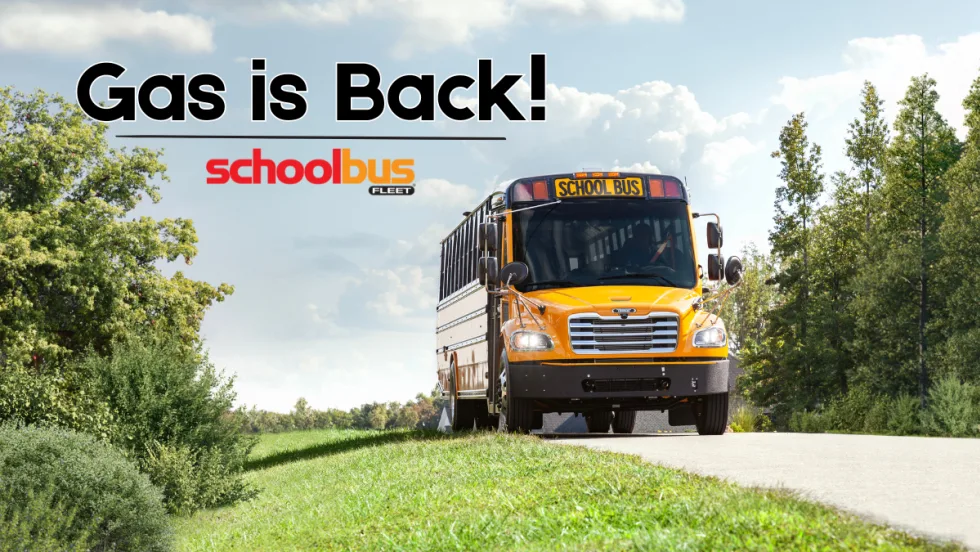
Why Gasoline School Buses Are Making a Comeback
Gasoline is gaining ground in full-size school buses. See how today’s options stack up against diesel on cost, maintenance, emissions, performance, and more.
Read More →
EPA Opens $180M DERA Funding Round for Diesel Upgrades
The 2026 Diesel Emissions Reduction Act program seeks applications from eligible organizations to accelerate the retirement of legacy diesel vehicles.
Read More →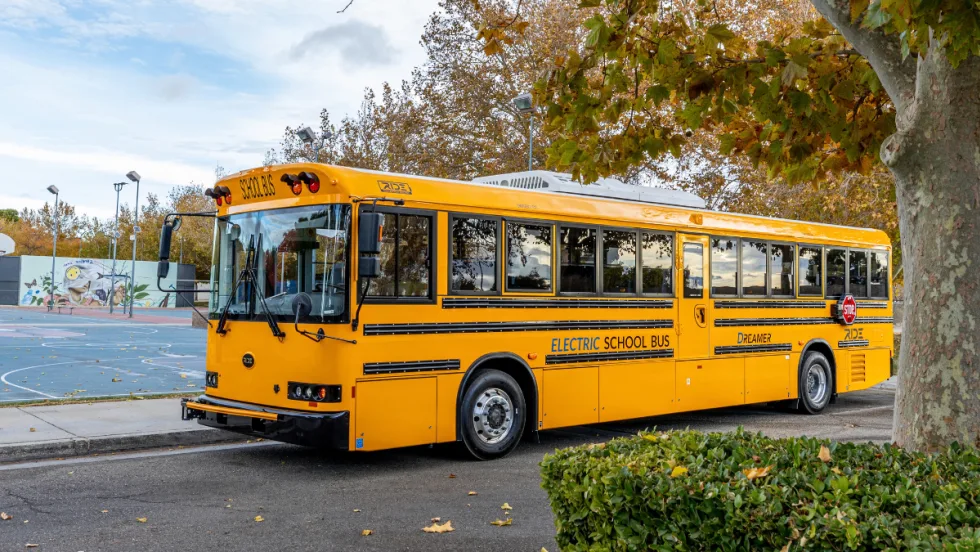
The Secret Life of an Electric School Bus Battery
Batteries change throughout years of daily routes, but degradation doesn’t necessarily mean the end. Here’s what operators should know about performance, safety, and second life.
Read More →
CALSTART and Forth Combine to Form Catalyst Mobility
The new name represents a renewed vision for the nonprofit focused on advancing clean, equitable, and affordable transportation solutions that move people and goods.
Read More →
Alt-Fuel Moves: New Buses, Charging Hubs & Real-World EV Testing
Propane and electric school bus deployments continue to grow as districts add new vehicles, expand charging infrastructure, and gather more real-world operating data.
Read More →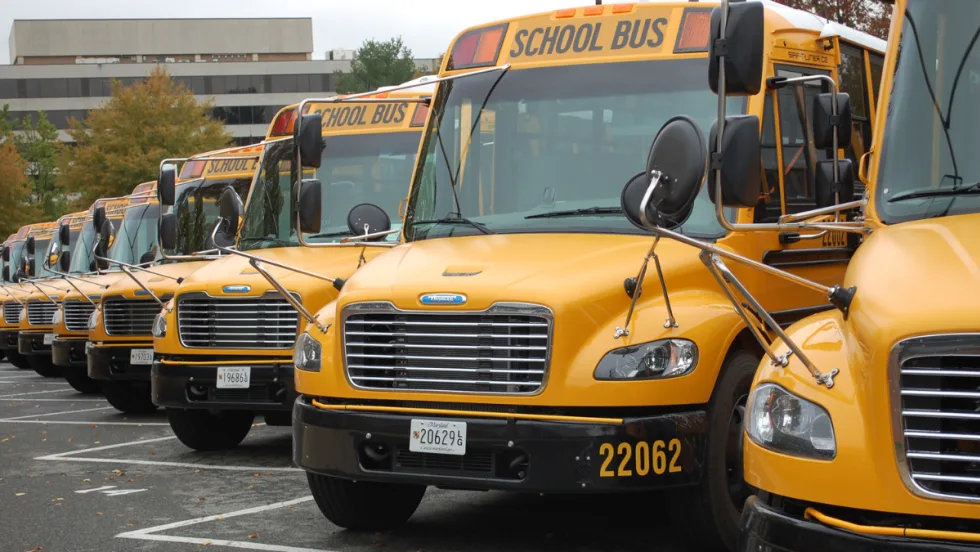
Fewer Electric School Bus Models Reshape the U.S. Market
WRI’s latest buyer’s guide points to a consolidating electric school bus market, but fewer options may reflect a maturing industry rather than fewer meaningful choices for school bus operators.
Read More →
The Fuel Budget You Can Actually Predict: How Propane Autogas Keeps Money in the Classroom
Learn how propane autogas helps school districts manage fuel costs with predictable pricing, lower maintenance, and reduced emissions from former transportation director Joel Stutheit.
Read More →