





Check Out: What You Need to Know About the EPA's Clean School Bus Program
Blue Bird Lauds U.S. Inflation Reduction Act
The Georgia-based school bus manufacturer celebrated the federal government's $369 billion investment in energy security and the battle against climate change.
August 17, 2022
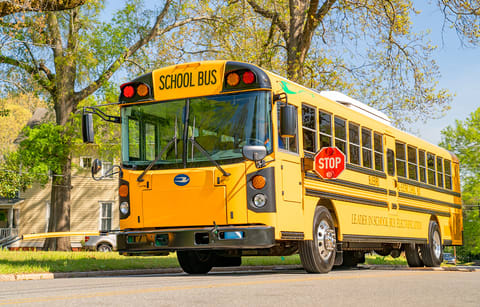
Blue Bird's electric school buses can carry up to 84 passengers for up to 120 miles on a single charge.
Photo: Blue Bird Corp.
3 min to read
Blue Bird Corp., manufacturer of electric and low-emission school buses, applauds the Inflation Reduction Act of 2022 signed into law by U.S. President Joe Biden. The Inflation Reduction Act authorizes a $369 billion investment in energy security and combating climate change – the largest investment of its kind in U.S. history. The legislative action is projected to reduce harmful carbon emissions by roughly 40% by 2030.
The comprehensive Inflation Reduction Act promotes clean school buses, charging infrastructure, and high-tech manufacturing. Notable transportation investments that can help to expand the nation’s clean school bus fleet include:
$1 billion in grants for clean Class 6 and 7 heavy-duty vehicles.
Up to $40,000 in tax credits for zero-emission commercial vehicles.
Up to $100,000 in tax credits for heavy-duty charging infrastructure.
$3 billion for direct loans to finance advanced vehicle technology manufacturing.
$2 billion for grants to support electric and fuel cell vehicle manufacturing.
“The Inflation Reduction Act demonstrates America’s leadership in advancing clean transportation solutions to help fight climate change,” said Matthew Stevenson, president and CEO, Blue Bird Corp. “As the leader in electric and low-emission school buses, Blue Bird welcomes all initiatives that foster a clean energy future and advance student and community health.”
The Inflation Reduction Act builds on the administration’s Bipartisan Infrastructure Law (BIL), which provides a total of $5 billion over five years for clean school bus transportation. The BIL includes the 2022 Clean School Bus Rebate Program administered by the U.S. Environmental Protection Agency. The program is currently offering $500 million for the replacement of diesel-powered school buses with zero and low-emission school buses. The funds will also assist school districts and other eligible participants to establish the required clean energy infrastructure. The application period ends on Aug. 19. Blue Bird subject matter experts can assist members of its dealer network and school districts in applying for program funds. Interested parties can contact Blue Bird grant funding specialists via GrantSupport@blue-bird.com.
Blue Bird is the only U.S.-owned and operated school bus manufacturer in the United States. The company builds a full range of electric school buses that can carry a maximum of 84 passengers for up to 120 miles on a single charge. Depending on the charging infrastructure, the buses take between three and eight hours to fully recharge.
In addition, Blue Bird offers a portfolio of low-emission propane and natural gas-powered school buses. The company reports more than 20,000 propane, natural gas, and electric-powered buses in operation today. Blue Bird manufactures its school buses in Fort Valley, Ga. The shift to clean transportation helps sustain approx. 2,000 well-paying manufacturing jobs and will significantly reduce the emissions of carbon dioxide and other harmful pollutants. Blue Bird continues to increase production and fortify its supply chain to meet the increasing demand for zero and low-emission school buses.
More Alternative Fuels

CALSTART and Forth Combine to Form Catalyst Mobility
The new name represents a renewed vision for the nonprofit focused on advancing clean, equitable, and affordable transportation solutions that move people and goods.
Read More →
Alt-Fuel Moves: New Buses, Charging Hubs & Real-World EV Testing
Propane and electric school bus deployments continue to grow as districts add new vehicles, expand charging infrastructure, and gather more real-world operating data.
Read More →
Fewer Electric School Bus Models Reshape the U.S. Market
WRI’s latest buyer’s guide points to a consolidating electric school bus market, but fewer options may reflect a maturing industry rather than fewer meaningful choices for school bus operators.
Read More →
The Fuel Budget You Can Actually Predict: How Propane Autogas Keeps Money in the Classroom
Learn how propane autogas helps school districts manage fuel costs with predictable pricing, lower maintenance, and reduced emissions from former transportation director Joel Stutheit.
Read More →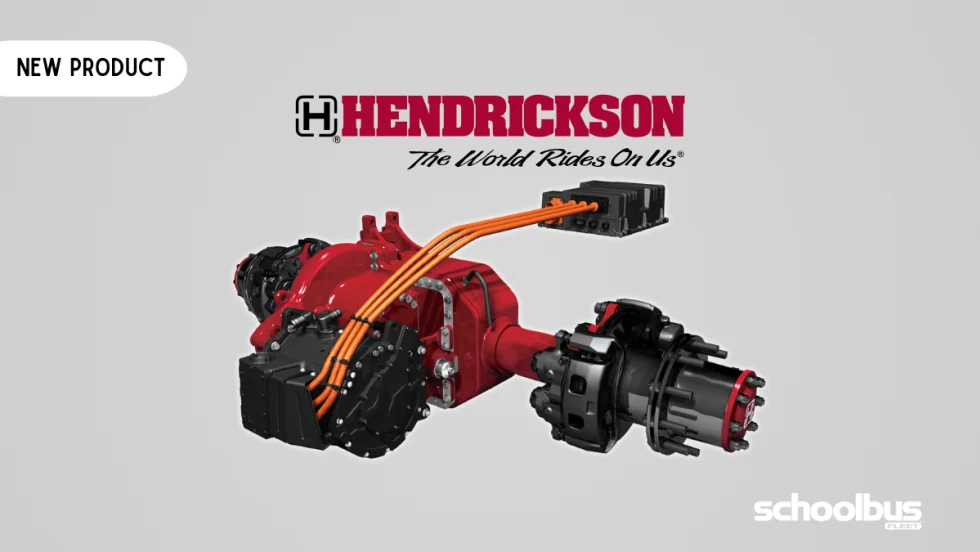
Hendrickson, Driventic Introduce New Electric Powertrain for School Buses
ELECTRAAX, the electrified, lightweight drive axle offers integrated ePowertrain efficiency and modular flexibility for Class 6–7 school bus use.
Read More →
The Mobility House Joins PowerFlex in Fleet Electrification Deal
The acquisition combines intelligent charging software, bidirectional charging expertise, and fleet electrification services to support the growing adoption of electric school buses across North America.
Read More →
Alt-Fuel Moves: Electric School Bus Investments Hit the Road
See which districts across the U.S. are putting electric school buses into service, expanding charging infrastructure, and planning the next phase of fleet electrification.
Read More →
With Fuel Volatility Ahead, School Districts Turn to Propane
While diesel prices peaked above $5 this spring, districts with propane autogas-powered fleets paid under $2 per gallon, according to PERC.
Read More →
EPA Unveils Proposed Changes to 2027 Heavy-Duty Engine Rules
The federal agency has proposed changes to next year’s targets that would eliminate DEF derates, ease warranty requirements, and retain current NOx emissions standards.
Read More →
Alt-Fuel Moves: EV Charging & Infrastructure Projects Gain Momentum
The latest developments include new funding, charging infrastructure, utility investments, and fleet technologies designed to support the transition to electric school buses nationwide.
Read More →