



School buses: slowly growing green
How much have these green buses penetrated the overall school bus market? We targeted that question in our latest school bus sales research.
In the past few years, numerous new alternative-fuel school buses have come on the market, and we’ve devoted numerous pages of the magazine to covering them.
Anecdotally, there seems to be growing interest among school bus operations in adopting these alternative-fuel offerings into their fleets. But the question remains: How much have these green buses penetrated the overall school bus market?
We targeted that question in our latest school bus sales research, although we haven’t published the results until now.
As we reported in our 2013 Fact Book on pg. 34, there were 32,034 school buses of all types sold in North America in the 2012 sales year. Now, here are our as-yet-unreleased green bus findings:
• In the 2012 sales year, there were 807 alternative-fuel school buses sold. That’s 2.5% of the total school bus sales.
• Those alternative-fuel school buses sold include propane, compressed natural gas (CNG) and hybrid-electric units.
• There were 493 propane school buses sold in 2012. That’s 61.1% of the alternative-fuel school buses and 1.5% of the total school bus sales.
• 202 CNG school buses were sold, accounting for 25% of the alternative-fuel buses and 0.6% of the total.
• There were 112 hybrid-electric school buses sold. That’s 13.9% of the alternative-fuel school buses and 0.3% of the total school bus sales.
As you can see, at this point in time, alternative-fuel units are still a small proportion of the overall school bus market.
Because 2012 was the first time we’ve collected statistics on alternative-fuel sales, we don’t have previous years’ data to compare them with. But starting with our 2013 sales research, we’ll be able to measure any growth in the green bus segment.
I will say that, based on what I’m hearing and seeing in the industry, I believe that the alternative-fuel school bus market is increasing and will continue to increase.
As an example, Blue Bird President and CEO Phil Horlock told us that the company’s incoming orders for propane buses are “double what they were a year ago.”
Dan Peters, the new president of Collins Bus Corp., said that alternative fuels are “waking everybody up in the business right now.”
And more alternatives are on the way. For instance, Thomas Built Buses announced in October that it will develop a CNG-fueled Type C school bus.
Here’s an interesting statistic that was pointed out in a recent article by Todd Mouw of ROUSH CleanTech: Of the more than 17 million propane-powered vehicles in the world, only around 270,000 (about 1.6%) are operated in the U.S.
As Todd noted, we’re far behind many other countries in alternative-fuel use. Let’s hope we can start catching up.
More Alternative Fuels
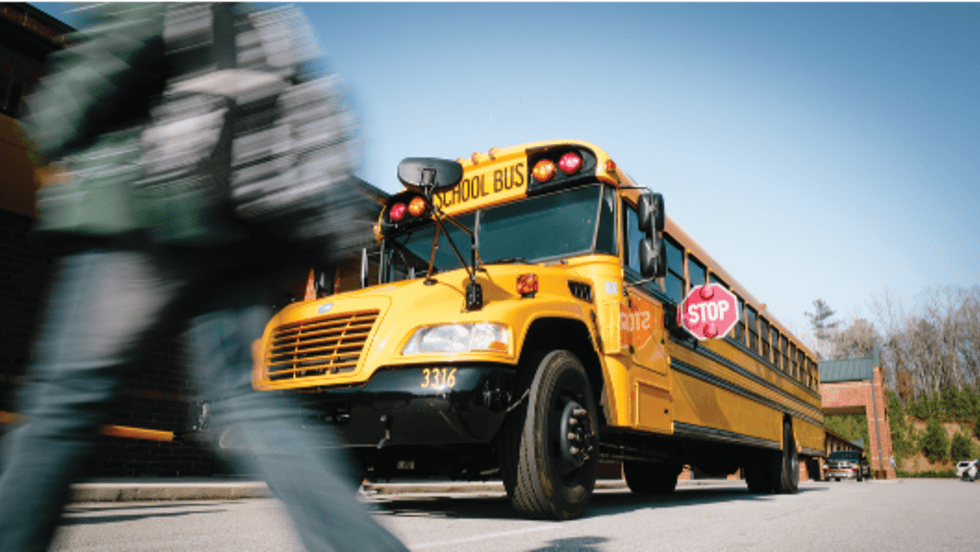
The Fuel Budget You Can Actually Predict: How Propane Autogas Keeps Money in the Classroom
Learn how propane autogas helps school districts manage fuel costs with predictable pricing, lower maintenance, and reduced emissions from former transportation director Joel Stutheit.
Read More →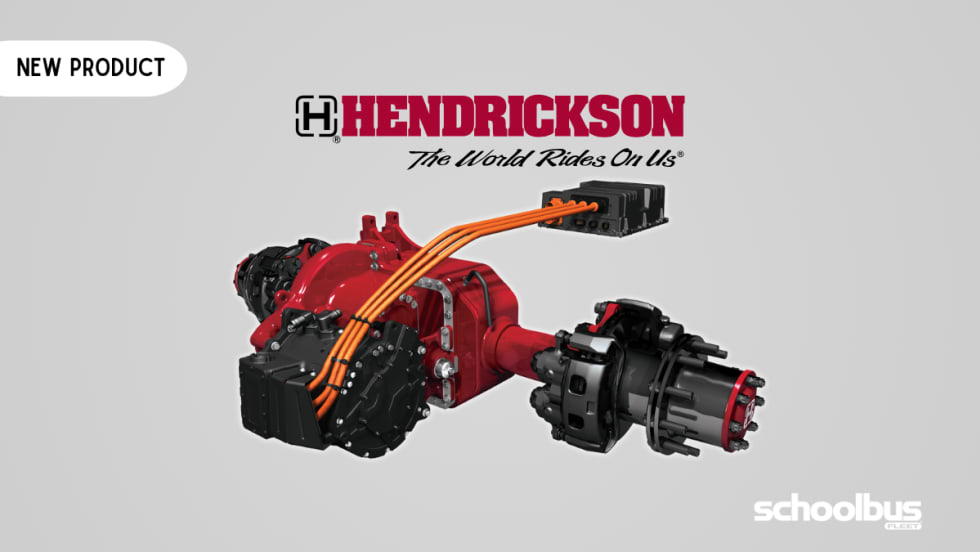
Hendrickson, Driventic Introduce New Electric Powertrain for School Buses
ELECTRAAX, the electrified, lightweight drive axle offers integrated ePowertrain efficiency and modular flexibility for Class 6–7 school bus use.
Read More →
The Mobility House Joins PowerFlex in Fleet Electrification Deal
The acquisition combines intelligent charging software, bidirectional charging expertise, and fleet electrification services to support the growing adoption of electric school buses across North America.
Read More →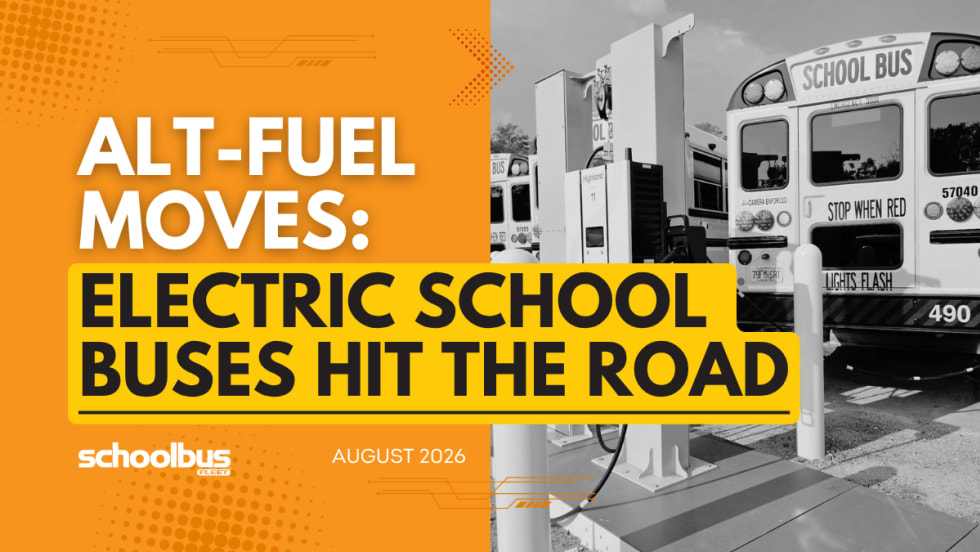
Alt-Fuel Moves: Electric School Bus Investments Hit the Road
See which districts across the U.S. are putting electric school buses into service, expanding charging infrastructure, and planning the next phase of fleet electrification.
Read More →
With Fuel Volatility Ahead, School Districts Turn to Propane
While diesel prices peaked above $5 this spring, districts with propane autogas-powered fleets paid under $2 per gallon, according to PERC.
Read More →
EPA Unveils Proposed Changes to 2027 Heavy-Duty Engine Rules
The federal agency has proposed changes to next year’s targets that would eliminate DEF derates, ease warranty requirements, and retain current NOx emissions standards.
Read More →
Alt-Fuel Moves: EV Charging & Infrastructure Projects Gain Momentum
The latest developments include new funding, charging infrastructure, utility investments, and fleet technologies designed to support the transition to electric school buses nationwide.
Read More →
Alt-Fuel Moves: Fleets Power Up Beyond the Bus
See how districts are pairing electric buses with charging, solar, and V2G technology to cut costs, boost resilience, and unlock new fleet value.
Read More →
What the EPA’s Updated Clean School Bus Program Means for Fleet Electrification in 2026 and Beyond
A guide to the EPA’s evolving school bus grants, including how the Trump administration changed funding priorities and how school districts can prepare for future bus purchases.
Read More →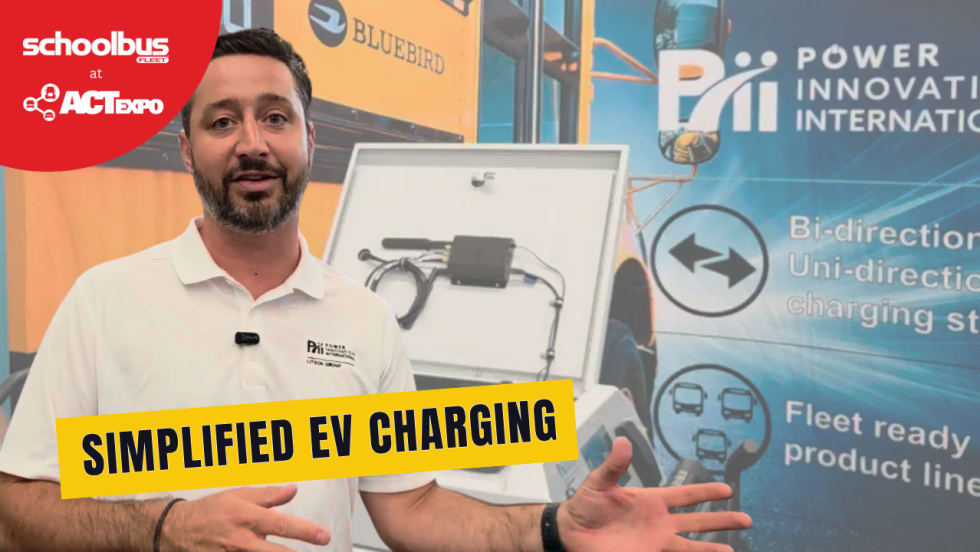
A Solution Helping School Buses Charge Without Major Infrastructure Upgrades
Power Innovations International dishes on its EV charging technology designed to reduce infrastructure barriers, improve reliability, and support V2G applications for school bus fleets.
Read More →