




Pollution report card: Officials respond to failing grades
CAMBRIDGE, Mass. - No U.S. state received a grade of “A” and 21 states did poorly or flunked out on a national report card rating the leve...

CAMBRIDGE, Mass. - No U.S. state received a grade of “A” and 21 states did poorly or flunked out on a national report card rating the level of pollution from each state’s school bus fleet. According to a study conducted by the Union of Concerned Scientists (UCS), an environmental advocacy group based in Cambridge, Mass., America’s school bus fleets are dominated by high-polluting diesel buses that place riders at risk. The study, titled “Pollution Report Card: Grading America’s School Bus Fleets,” claims that no state monitors school bus emissions or requires the purchase of low-emission buses, ranking only six states and the District of Columbia “ahead of the curve” on pollution reduction. Twenty-three states were judged as “middle of the road,” and the study concluded that every state has room for improvement. With all “Ds,” California and Washington received the lowest grades of all. John Green, school transportation director for the California Department of Education, says that California has been implementing measures to help protect children from toxic emissions for years. “California is at the forefront of alternative-fueled school buses with a number of CNG and electric buses,” said Green. “I don’t know why all of the sudden there is this emphasis on school buses when we have thousands of transit buses, over the road trucks and other vehicles that are also driven by diesel.” Green is not the only state official to call the study into question. Vicki Barnett, school transportation supervisor for the Arizona Department of Public Safety, is troubled by the D+ her state received in the report. “In Arizona, we have a lot of biodiesel and CNG buses so I am very concerned how [the UCS] got its information,” she said. UCS researchers gathered information from state directors of pupil transportation and an independent information agency. The data was run through a computer program, and grades were assigned based on the prominence of smog, soot and global warming effects. The report also calls for federal and state funding to replace old, dirty buses with compressed natural gas or clean diesel buses. Charlie Gauthier, executive director of the National Association of State Directors of Pupil Transportation Services, cautions against jumping to conclusions on the basis of a single study. “It’s common sense and good science that says you need to figure out who’s right and who’s wrong before we go out and start scaring the public,” he said, calling for further research on the subject before policy decisions are made. The UCS study is the second major report on school bus emissions released in 2002, coming no more than a week after the release of a similar study conducted by Yale professor James Wargo (see Industry News on pg. 11). These studies, along with two other, conflicting studies published in 2001, fail to clarify an already murky issue. The full UCS report can be viewed online by going to http://www.ucsusa.org/index.html and clicking on “pollution report card.”
U.S.-style buses debut in Britain
Two American-style yellow school buses began picking up and delivering 125 students to schools in West Yorkshire, England, on Feb. 18 as part of a pilot project that could pave the way for expansion of yellow school bus fleets in the U.K. “Today is just the start,” said Moir Lockhead, the CEO of FirstGroup PLC, which operates the buses. FirstGroup is the parent company of First Student Inc., the second-largest school bus operator in North America. “As soon as we started operating yellow school bus fleets in the U.S. we realized the enormous benefits the service could offer here.” The service is poised for expansion, according to FirstGroup spokesperson Lucy Franks. “At the moment, they’re only pilot schemes, but if they’re successful, we plan to expand into other areas of the U.K.,” she said. Blue Bird Corp. in Fort Valley, Ga., manufactured the buses, which are right-hand drive, rear-engine All Americans. They delivered 100 buses to the U.K. for the government-sponsored program.
More Safety
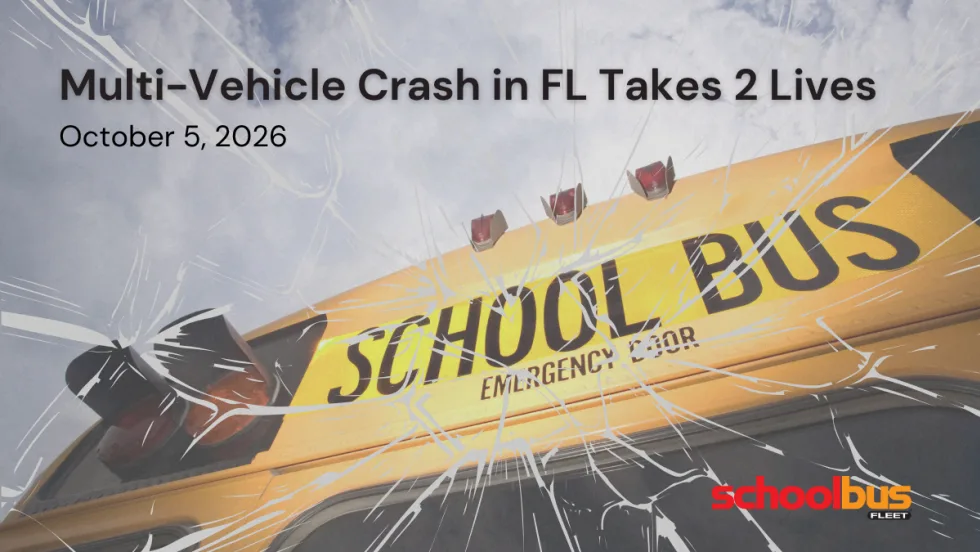
2 Killed, Dozens Injured in Florida School Bus Crash
A multi-vehicle collision caused a Polk County school bus carrying 37 students to overturn on its way to Winter Haven High School.
Read More →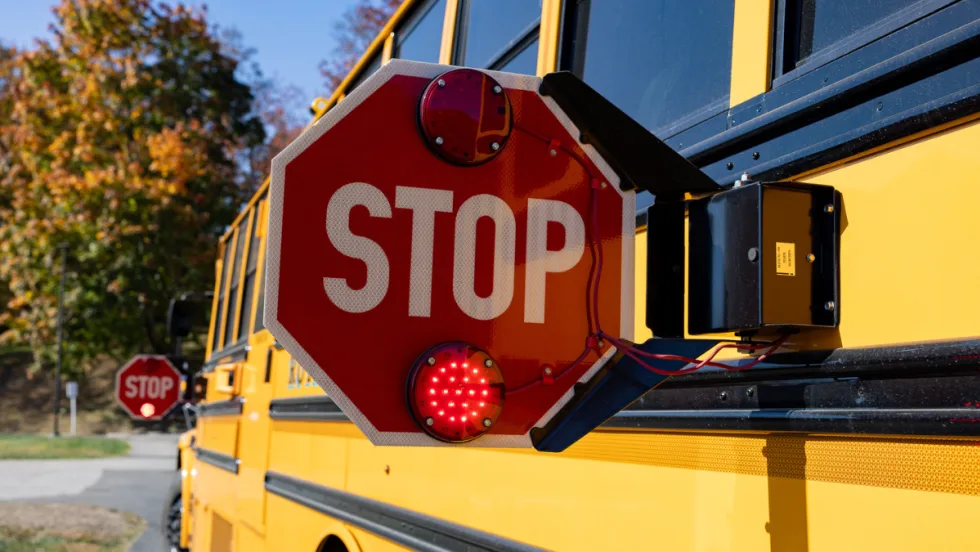
Illegal School Bus Passing Drops 24% in New York Districts
With fewer than 5% of citations involving repeat offenders, Westchester County officials said enforcement, education, and community partnerships are helping change driver behavior.
Read More →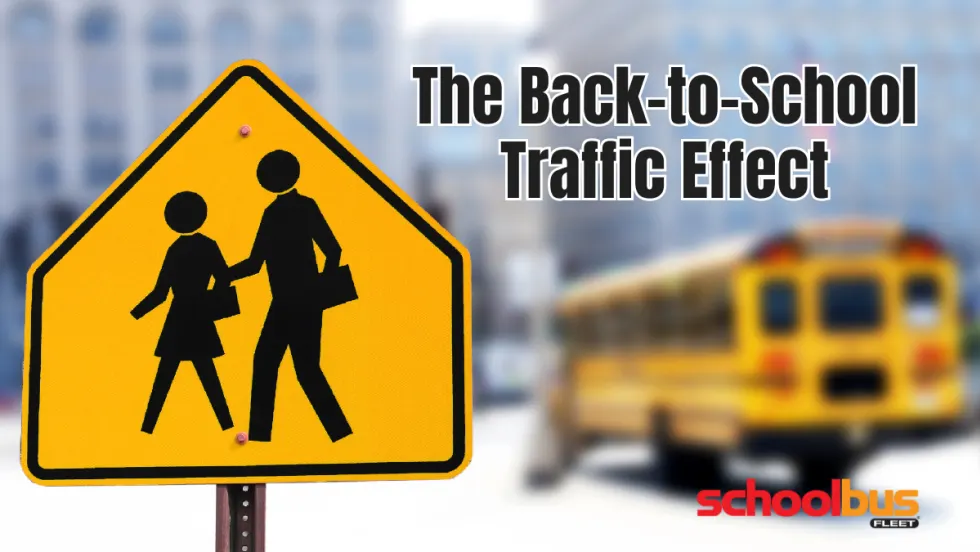
School's Back. Here's What Happened to Traffic, Speeding & Distraction
What happens to traffic when school resumes? New data analysis examines changes in distracted driving, congestion, and speeding around schools.
Read More →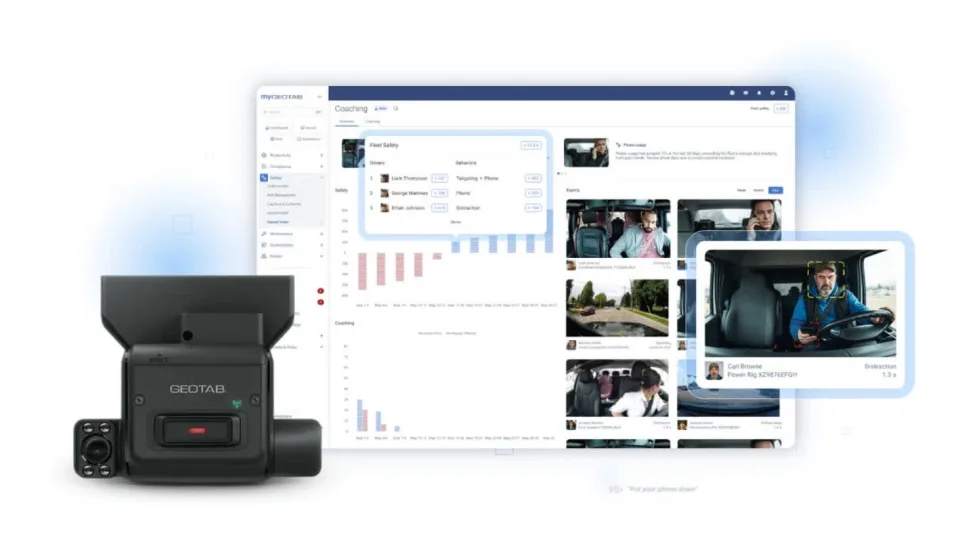
Geotab Expands Fleet Safety Tools With Video Coaching, Risk Insights
New safety and video capabilities aim to help fleet managers assess risk, support drivers, and take targeted action through video coaching, red-light violation detection, and more.
Read More →
How to Build a Better School Bus Driver Training Program
Is it time to strengthen your driver training? Here’s how to pick the right talent and improve recruitment, retention, and safety. This video is brought to you by IC Bus.
Read More →
Recent School Bus Accidents Leave 2 Dead, 2 Injured
Four school bus crashes in Florida, Illinois, and Georgia highlight risks in transportation lots, at bus stops, and during student loading and unloading.
Read More →
When Every Second Matters, Clarity Keeps Routes Moving
From routine delays to urgent incidents, strong communication practices help drivers, dispatchers, schools, and families respond with confidence.
Read More →
What Happens When a School Bus Catches Fire — and What Can Help
School bus fires are rare but can be devastating. Learn how advances in fire suppression and asset protection help fleets detect fires earlier, reduce damage, and improve safety.
Read More →
Geotab Launches Tool to Help Fleets Investigate Road Incidents
Geotab Investigations combines telematics data, video, documents, and other evidence to help fleets reconstruct incidents, resolve claims, and determine what happened.
Read More →
Texas Sixth Grader Wins 2026 National School Bus Safety Poster Contest
Sai Darshana Yekolu of Moseley Middle School in Prosper, Texas, was named the newest winner for her artwork, bringing the theme of “Safe Rides, Everyday Heroes” to life.
Read More →