




Electric School Bus Roundtable: Ryne Shetterly (GreenPower Motor Co.)
The vice president of sales and marketing expects electric vehicle transitions to accelerate in response to concerns about climate change.

From building new factories to pushing to reclaim momentum lost during the pandemic shutdown of 2020, electric school bus manufacturers are rolling forward with ambitions to make their vehicles more accessible and affordable.
Those ambitions could get a boost thanks to the federal government in August passing bipartisan infrastructure legislation, which includes billions of dollars for electric and low-emission school buses.
School Bus Fleet asked several manufacturers to give their forecasts for the coming year as we emerge from the COVID-19 pandemic:
Ryne Shetterly (GreenPower)
SBF: How would you assess school bus industry market conditions for 2022?
Ryne Shetterly: The school bus market conditions for 2022 are completely unpredictable. Each state is battling COVID and some of them are shutting down while others continue to remain open. Only time will tell what we are actually up against.
SBF: What kind of feedback has your company received at demonstrations/deployments of its electric bus?
Shetterly: We have received exceptional feedback on our electric bus at varying demonstrations/deployments. What we are offering is a highly desired product at a competitive price and customers are sharing this view. We expect strong demand for the foreseeable future as we’re seeing increasing interest from various places in different parts of the U.S.
SBF: In August, the U.S. Senate passed the bipartisan Infrastructure Investment and Jobs Act, which includes $5 billion for electric and low‐emissions school buses. How do you think the increase in funding will impact the transition to zero‐emission/electric buses for school transportation?
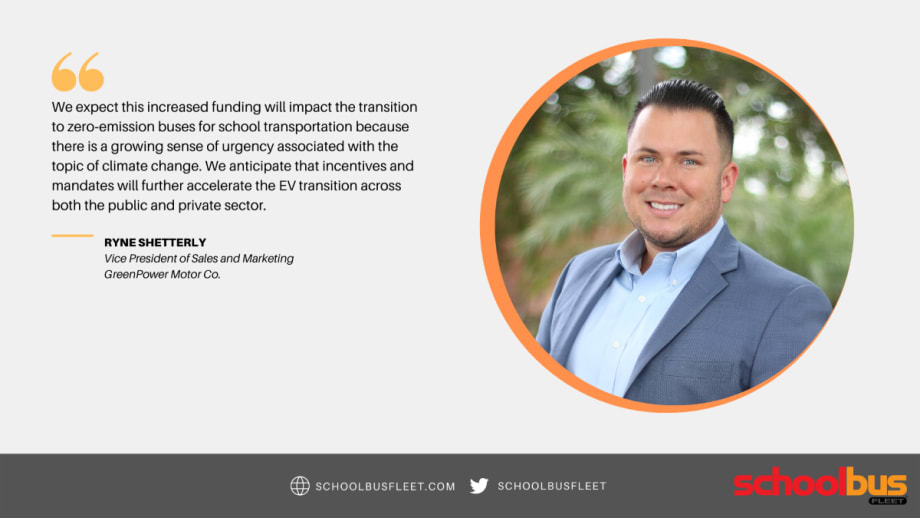
Shetterly: GreenPower is one of few EV companies in production with vehicles on the road, plus the company is Buy America Act compliant and Altoona tested – which provides access to highly lucrative federal incentives. In anticipation of the growth in demand from President Biden's Federal Infrastructure Plan, GreenPower increased its school bus production from five units per month to 10 units per month at the beginning of the year, and expects to increase production rates over time as interest in zero‐emission all-electric school buses accelerates rapidly throughout the country. We expect this increased funding will impact the transition to zero‐emission buses for school transportation because there is a growing sense of urgency associated with the topic of climate change. We anticipate that incentives and mandates will further accelerate the EV transition across both the public and private sector. We have built substantial inventory and continue expanding our production aggressively, placing GreenPower in an ideal position to have an immediate positive impact on the goal of our customers to reduce their carbon footprint. The accelerated adoption of zero‐emission school buses means a healthier and more sustainable environment for our children and communities. We are confident that the BEAST will drive the future of the all‐electric school bus paradigm shift while providing parents the peace‐of‐mind knowing their children are safe and protected from diesel emissions and harmful noise pollution. The BEAST will provide school districts with dramatic fuel cost savings, reduced operational costs and material progress towards reducing their carbon footprint.
SBF: With more funding available comes an increase in demand. How is your company working to meet the increasing demand for zero‐emissions/electric buses?
Shetterly: To satisfy President Biden’s initiative, GreenPower has begun an initial production plan for 100 BEAST school buses for current orders. GreenPower has also announced an increased production rate in response to positive feedback, demand and anticipated future demand. With the consistent run rate production for our EV Star and School Buses that was increased recently, we are building to meet the high demand for GreenPower products across multiple sectors including: transit, delivery, student transportation, fleet operators, municipal and final stage manufacturers.
SBF: What lasting impacts do you think the COVID‐19 pandemic will have on the manufacturing side of school transportation? Particularly for electric school buses?
Shetterly: COVID is affecting many different aspects of the manufacturing process. Labor shortages, shipping delays, and parts shortages to name a few. We believe that as soon as we address each of these, we expect to see an improvement in the manufacturing landscape from start to finish.
SBF: How is your company addressing performance concerns, such as surmounting hilly terrain and coping with cold weather impacts on batteries and regenerative braking?
Shetterly: The beauty about electric vehicles is they can be programmed to operate based off their geographic location. For instance, if you are in a hilly terrain, you may need more climbing capabilities than you do range. GreenPower Motor Company can accommodate that. And some of the more rural areas where it’s flatter, you may need more range and less great ability. GreenPower can accommodate that as well. As far as cold‐weather packages, our school buses can be equipped with thermal management systems that keep batteries operating at a specific ambient range. As far as regenerative braking, GreenPower tries to find a happy medium and is more of a preference from driver to driver then it might be from school district to school district. Some drivers love to feel like the bus is slowing down by itself, while others like to feel like you can get a lot of cost out of the vehicle. Generally speaking, we can adjust that based off of the school district’s preferences.
SBF: What other kinds of changes or new developments do you see in the coming years for the industry?
Shetterly: In regards to electric vehicles and school bus operations, electric school buses can already perform at least 90 percent of current school bus routes throughout the country. This is a key differentiator for transit and, really, what makes the school bus electrification process the low-hanging fruit is the school bus duty cycle. For instance, even if a school district does 90 miles in the morning and 90 miles in the evening, by effectively utilizing opportunity charging, that’s well within the performance standards in almost all of the products out there. In regards to emissions mitigations, this can make an immediate impact for students, drivers, and communities from coast to coast.
SBF: Are there any new developments at your company that you would like to share?
Shetterly: We want to reiterate that we have delivered the first BEAST unit and will continue initial deliveries to customers under existing contracts in the coming weeks. That delivery represents the culmination of several years of planning and a great deal of hard work that has gone into the production ramp over the last several quarters. We are now in position to see BEAST deliveries accelerate through the end of the year and well beyond and are eagerly anticipating that the pace of these deliveries will increase significantly by the end of the year.
More Alternative Fuels

CALSTART and Forth Combine to Form Catalyst Mobility
The new name represents a renewed vision for the nonprofit focused on advancing clean, equitable, and affordable transportation solutions that move people and goods.
Read More →
Alt-Fuel Moves: New Buses, Charging Hubs & Real-World EV Testing
Propane and electric school bus deployments continue to grow as districts add new vehicles, expand charging infrastructure, and gather more real-world operating data.
Read More →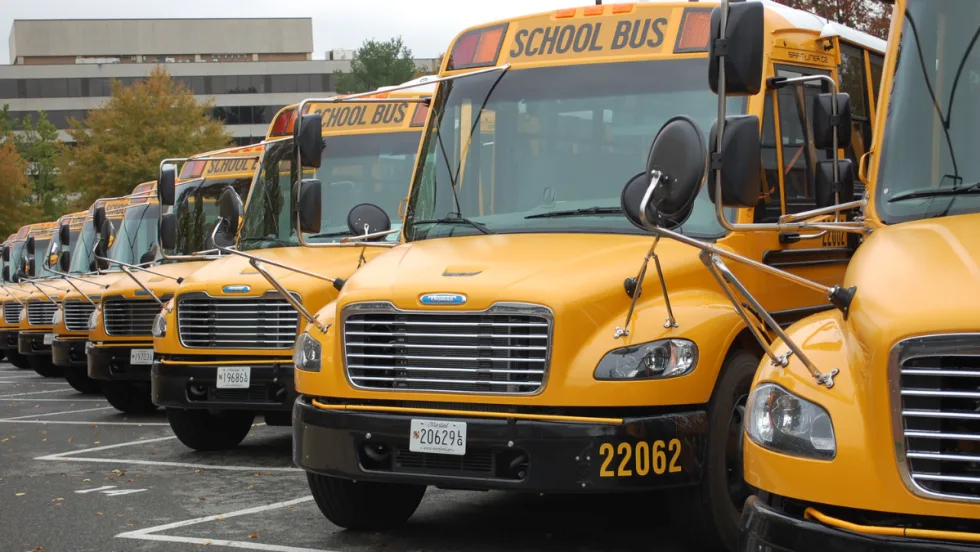
Fewer Electric School Bus Models Reshape the U.S. Market
WRI’s latest buyer’s guide points to a consolidating electric school bus market, but fewer options may reflect a maturing industry rather than fewer meaningful choices for school bus operators.
Read More →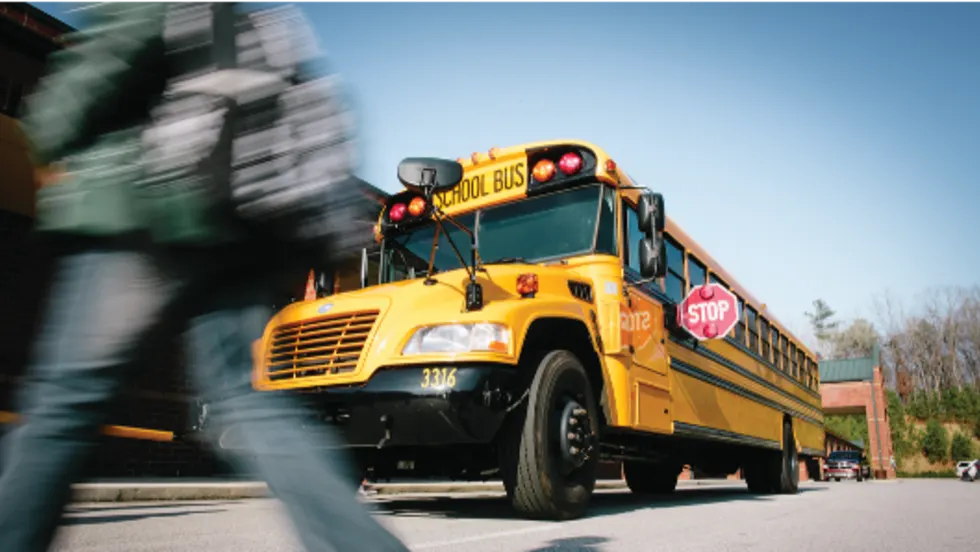
The Fuel Budget You Can Actually Predict: How Propane Autogas Keeps Money in the Classroom
Learn how propane autogas helps school districts manage fuel costs with predictable pricing, lower maintenance, and reduced emissions from former transportation director Joel Stutheit.
Read More →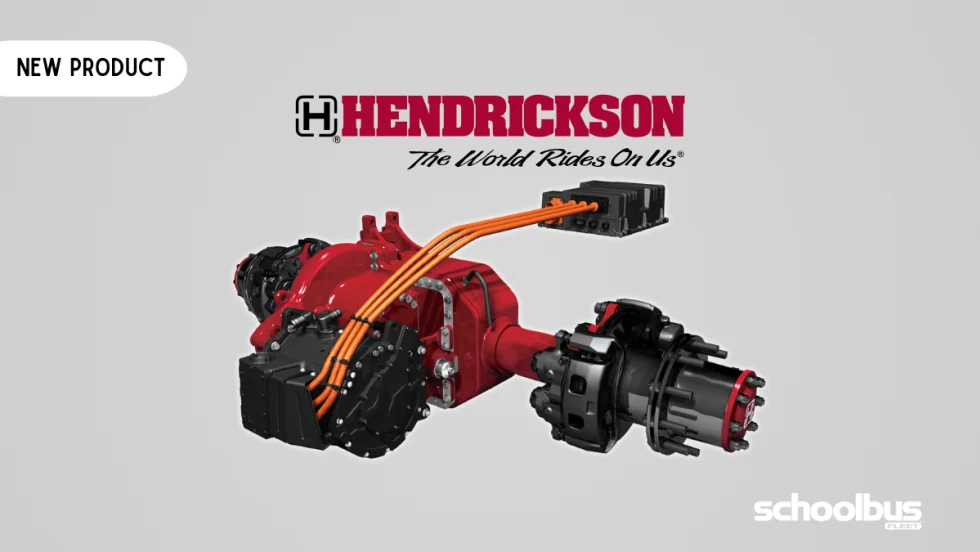
Hendrickson, Driventic Introduce New Electric Powertrain for School Buses
ELECTRAAX, the electrified, lightweight drive axle offers integrated ePowertrain efficiency and modular flexibility for Class 6–7 school bus use.
Read More →
The Mobility House Joins PowerFlex in Fleet Electrification Deal
The acquisition combines intelligent charging software, bidirectional charging expertise, and fleet electrification services to support the growing adoption of electric school buses across North America.
Read More →
Alt-Fuel Moves: Electric School Bus Investments Hit the Road
See which districts across the U.S. are putting electric school buses into service, expanding charging infrastructure, and planning the next phase of fleet electrification.
Read More →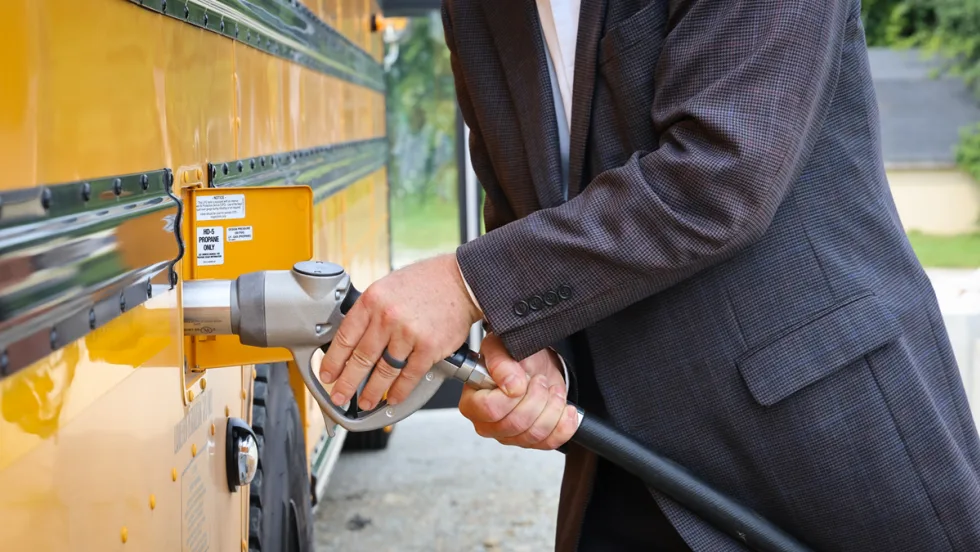
With Fuel Volatility Ahead, School Districts Turn to Propane
While diesel prices peaked above $5 this spring, districts with propane autogas-powered fleets paid under $2 per gallon, according to PERC.
Read More →
EPA Unveils Proposed Changes to 2027 Heavy-Duty Engine Rules
The federal agency has proposed changes to next year’s targets that would eliminate DEF derates, ease warranty requirements, and retain current NOx emissions standards.
Read More →
Alt-Fuel Moves: EV Charging & Infrastructure Projects Gain Momentum
The latest developments include new funding, charging infrastructure, utility investments, and fleet technologies designed to support the transition to electric school buses nationwide.
Read More →