





Closer Look: Southern States Among Largest Round 1 Clean School Bus Beneficiaries
Closer Look: EPA Clean School Bus Round 2 Application Process
Get the rundown on what's needed to submit an application for a piece of the $400M in funding for zero- and low-emission school buses through the latest opportunity offered by the Environmental Protection Agency.
May 2, 2023
Substantial packages of information must be turned in to the EPA on Aug. 23. Get started now to make sure you avoid any procedural glitches.
Image: Canva
3 min to read
The second round of Clean School Bus funding provided by the Environmental Protection Agency (EPA) is now upon us, with priority on:
High-need local educational agencies.
Rural school districts.
Bureau of Indian Affairs-funded school districts.
School districts that receive basic support payments for children who reside on Indian land.
But how does the application process work if you qualify and match the prioritization criteria?
The EPA Application Package: What’s Inside?
The funding opportunity PDF includes an appendix with a checklist that can help applicants ensure that they supply all the necessary paperwork. Mandatory materials for the submission package include:
Application for Federal Assistance.
Budget Information.
Pre-Award Compliance Review.
Key Contacts Form.
Project Narrative (no longer than 15 pages).
Applicant Fleet Sheet (using “Other Attachments Form”).
Third-Party Approval Certification (using “Other Attachments Form”).
A grant submission might also include the following information, using the “Other Attachments Form”:
Utility Partnership Template.
Self-Certification of Prioritization (if applicable).
Additional External Funds Commitment Letters (if applicable).
Project Team Biographies.
Resumes.
Negotiated Indirect Cost Rate Agreement (if applicable).
Partnership Letters (if applicable).
Get Familiar with Grants.gov
By Aug. 23, applicants must submit their packages electronically to the EPA through Grants.gov. To do that, applicants need a Unique Entity Identifier (UEI, formerly known as the DUNS number) and a current registration with the System for Award Management (SAM.gov). Don’t have those yet? New registrants can expect to spend at least a month setting them up.
Getting a SAM account requires creating a free account using the federal government’s sign-in service, Login.gov.
What entity registration requires:
Obtaining a UEI, which is a 12-character alphanumeric ID assigned by SAM.
Making assertions, representations, and certifications.
Providing additional information about the organization.
For applicants who already have Grants.gov accounts, take the time to check the status of those SAM accounts and address issues before submitting the application package. SAM account registrations can expire if not renewed every 365 days, and require re-registration if they lapse.
Applications for this second round, which provides at least $400 million for zero- and low-emission school buses and charging equipment made available through the Bipartisan Infrastructure Law, use the Workspace feature on Grants.gov.
Workspace provides three tiers – Basic, Intermediate, and Advanced – for organizations and applicants with varying levels of expertise to manage different forms within an application.
VIDEO: Creating a Workspace for EV School Bus Grant Applications
Looking for Assistance?
Need help with the SAM account? Get in touch with the Federal Service Desk. Running into technical issues or want to chat with a help-desk agent? Call (866) 606-8220. Service desk hours are between 8 a.m. and 9 p.m. Eastern, Monday-Friday.
Extra Resources for EPA Grant Applicants
The EPA offers an online training course that provides an overview of the grant process and the funding life cycle, from starting the application to closing out the project. The course includes six modules available in video and text formats.
But the application is just one facet of the complicated process of making the shift to a low- or zero-emission school bus fleet.
The EPA also recommends:
Coordinating with the local utility throughout the project. The EPA offers a sample template to guide those discussions.
Learning more about charging and fueling infrastructure, whether it’s the types of buses available or the best practices for their use.
Reaching out for technical assistance from the Joint Office of Energy and Transportation to gain understanding about what’s involved in planning and deployment of clean school buses.
VIDEO: Electric School Bus Introduction
Subscribe to Our Newsletter
More Alternative Fuels

CALSTART and Forth Combine to Form Catalyst Mobility
The new name represents a renewed vision for the nonprofit focused on advancing clean, equitable, and affordable transportation solutions that move people and goods.
Read More →
Alt-Fuel Moves: New Buses, Charging Hubs & Real-World EV Testing
Propane and electric school bus deployments continue to grow as districts add new vehicles, expand charging infrastructure, and gather more real-world operating data.
Read More →
Fewer Electric School Bus Models Reshape the U.S. Market
WRI’s latest buyer’s guide points to a consolidating electric school bus market, but fewer options may reflect a maturing industry rather than fewer meaningful choices for school bus operators.
Read More →
The Fuel Budget You Can Actually Predict: How Propane Autogas Keeps Money in the Classroom
Learn how propane autogas helps school districts manage fuel costs with predictable pricing, lower maintenance, and reduced emissions from former transportation director Joel Stutheit.
Read More →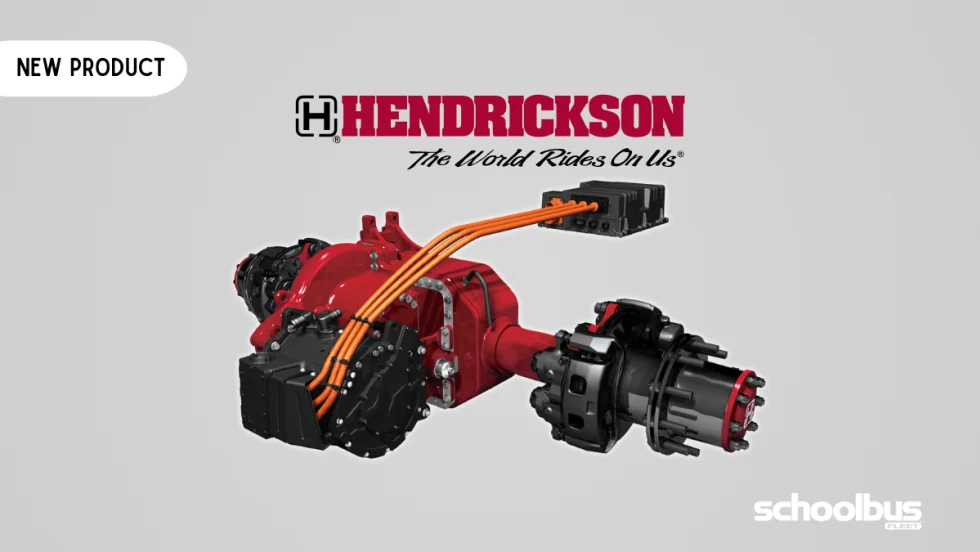
Hendrickson, Driventic Introduce New Electric Powertrain for School Buses
ELECTRAAX, the electrified, lightweight drive axle offers integrated ePowertrain efficiency and modular flexibility for Class 6–7 school bus use.
Read More →
The Mobility House Joins PowerFlex in Fleet Electrification Deal
The acquisition combines intelligent charging software, bidirectional charging expertise, and fleet electrification services to support the growing adoption of electric school buses across North America.
Read More →
Alt-Fuel Moves: Electric School Bus Investments Hit the Road
See which districts across the U.S. are putting electric school buses into service, expanding charging infrastructure, and planning the next phase of fleet electrification.
Read More →
With Fuel Volatility Ahead, School Districts Turn to Propane
While diesel prices peaked above $5 this spring, districts with propane autogas-powered fleets paid under $2 per gallon, according to PERC.
Read More →
EPA Unveils Proposed Changes to 2027 Heavy-Duty Engine Rules
The federal agency has proposed changes to next year’s targets that would eliminate DEF derates, ease warranty requirements, and retain current NOx emissions standards.
Read More →
Alt-Fuel Moves: EV Charging & Infrastructure Projects Gain Momentum
The latest developments include new funding, charging infrastructure, utility investments, and fleet technologies designed to support the transition to electric school buses nationwide.
Read More →