




More on Propane: Alt-Fuel for Non-Electrifiers: 3 Reasons to Consider Propane
Bonny Eagle School District Puts Renewable Propane to the Test
ROUSH CleanTech helped get renewable propane into the tanks of Bonny Eagle’s 30 propane buses. Here's how it went.
by Staff
October 18, 2024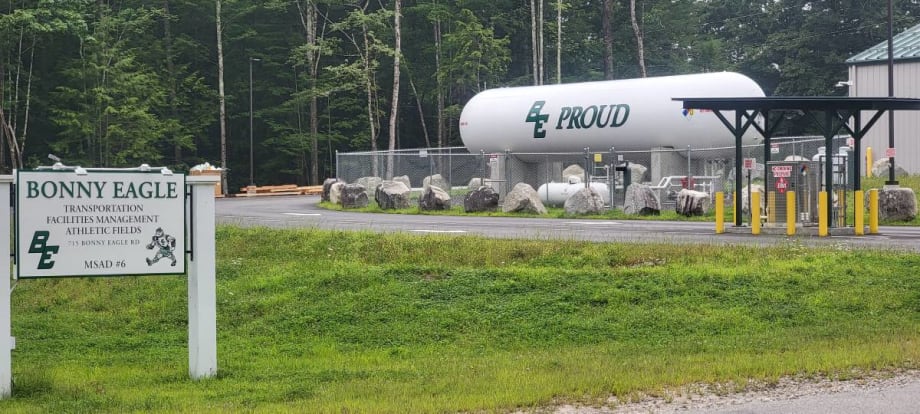
Bonny Eagle School District’s 17,000-gallon propane tank can fill up their 30 propane buses for a month before running dry.
Photo: ROUSH CleanTech/Bonny Eagle
5 min to read
Renewable propane is one alternative fuel source that school districts are looking into to replace their existing diesel or gas buses. As an alternative to electric buses, renewable propane is chemically identical to regular propane and typically made from things like used cooking oil, vegetable oil, and animal fat.
One school district that tried out renewable propane is Maine’s Bonny Eagle School District. They are the first district east of the Rocky Mountains to utilize the fuel source.
Getting Started With Propane
ROUSH CleanTech started working on propane buses in 2010 when they established their exclusive partnership with Blue Bird. The bus manufacturer approached ROUSH CleanTech about designing some buses that utilized propane after they had worked with Ford in 2006 to get an F-150 pickup truck running on the alternative fuel.
Ultimately the partnership with Blue Bird led to the creation of Blue Bird’s propane-fueled buses. The same buses that Bonny Eagle School District now utilizes in their fleet.
With 30 propane buses in their 38-bus fleet, Bonny Eagle has been making great use of the alternative fuel.
They set up their fueling station with help from a local propane dealer and regular propane in mind, however this was no issue when trying out renewable propane.
“There is no difference chemically between renewable propane and traditional propane which makes it very easy to swap over,” said Todd Mouw EVP at ROUSH CleanTech. “Renewable propane can be dropped directly into existing propane buses; it doesn’t matter where it comes from. It is a great way to reduce carbon intensity without a huge investment in infrastructure.”
As the district grew, Bonny Eagle constructed a new fueling facility for their buses. This new facility ended up being one of the largest in the state and features a 17,000-gallon tank that only needs to be refilled once a month.
Putting Renewable Propane to Work
When putting renewable propane into practice, everything went as smoothly as it normally does for Bonny Eagle School District.
“We received the first delivery of renewable propane in Maine in May of 2023,” said Sarah Marean, Bonny Eagle’s transportation director. “Using the renewable propane, we saw no difference from our regular propane due to it being chemically identical.”
With renewable propane being chemically identical to regular propane, the only real difference is the process and materials used to make it. This allows renewable propane to be utilized with any existing propane infrastructure a district may have.
Currently the biggest limiting factor for renewable propane usage is supply. Bonny Eagle received their shipment of renewable propane from Louisiana and have been unable to get another shipment since then.
“There is about 25 million gallons of renewable propane being produced right now,” Mouw said. “However, as the need increases, we should see an increase in production. Currently most of the supply is going to states with low carbon intensity fuel standards on the west coast.”
While supply may be an issue currently, ROUSH CleanTech is receiving increased interest from school districts for renewable propane. With renewable propane being a more economical alternative to electric vehicles, demand for the fuel is quickly growing.
“We have not continued to use renewable propane due to the logistics of getting it delivered,” said Marean. “However, we would like to continue to use renewable propane once delivery becomes more available.”
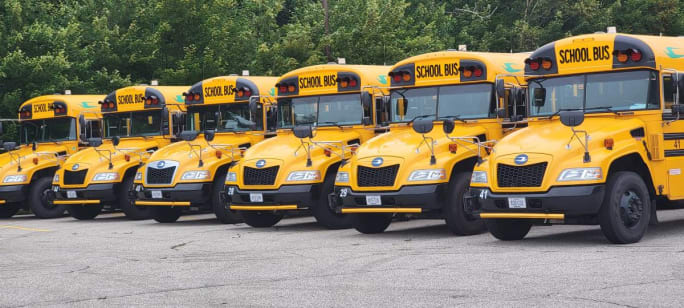
Most of Bonny Eagle School District's buses are conventional propane buses manufactured by Blue Bird.
Photo: ROUSH CleanTech/Bonny Eagle
The Benefits of Propane
Schools interested in reducing emissions and saving on fuel should consider switching to propane regardless of the availability of renewable propane.
Bonny Eagle has saved more than $75,000 using propane when compared to diesel.
While diesel does get nine miles per gallon compared to propane’s four to five miles per gallon, the cost difference is more than makes up for it. With the cost of propane roughly 1/3 the cost of diesel per gallon it won’t take long to see savings.
There are other benefits to propane as well, especially in cold climates like the one Bonny Eagle finds itself in.
“Propane buses also warm up quicker and require less idle time than diesel buses,” said Marean. “Idling with propane is also less detrimental than idling with diesel buses as well. In addition, our drivers don’t have to run heaters in the buses when not in use meaning no chords running to the buses and we don’t have to reimburse them for electricity.”
Propane vs. Electric
Electric vehicles are currently a common subject when the topic of alternative fuels comes up. However, there are some situations where electric buses fall short of propane buses.
When talking about school districts, funding is always a major concern. Converting a school bus fleet to electric can get costly with all the charging infrastructure required to keep the buses up and running.
One other consideration with electric buses is how far they can go on one charge. While not a big issue in urban districts, for rural districts like Bonny Eagle it is a major concern.
Propane buses helped Bonny Eagle move away from diesel without breaking the bank while simultaneously giving them the range they needed to get students to and from their destination.
For trips that go further than the propane buses can handle, Bonny Eagle keeps some gas buses on hand.
“We will always have one or two gas buses in our fleet as backups,” said Marean. “With propane the range is more limited, and we do run into situations where we need a longer range. However, as more districts adopt propane, we can see more opportunities open up for us to use propane buses.”
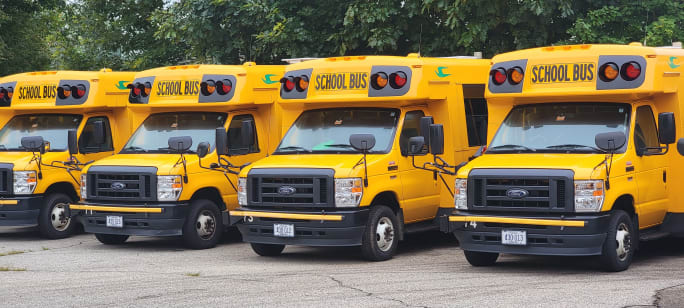
Bonny Eagle School District has begun to invest in propane Micro Bird buses in order to help fill out their fleet.
Photo: ROUSH CleanTech/Bonny Eagle
Fiscally and Environmentally Responsible
Regardless of if they are fueled by renewable propane or regular propane, propane buses can help school districts meet new environmental standards while also remaining affordable.
“For the money invested and economic benefits, propane has benefited our rural school district,” said Marean. “With our spread-out nature, propane has been a better fit for our needs than and more accessible than electric. We don’t need to have chargers all over to keep our buses running and it’s clean as well.”
The push for zero emissions is seeing diesel vehicles fall by the wayside and school districts are having to find affordable alternatives to replace them with.
“The door is open for anyone who is interested in renewable propane,” said Mouw. “We love it when districts ask about what they can use instead of diesel and propane is a good step for moving away from it. As diesel continues to be phased out propane is looking to be the next step in progression toward the near-zero emissions initiative.”
Subscribe to Our Newsletter
More Alternative Fuels

CALSTART and Forth Combine to Form Catalyst Mobility
The new name represents a renewed vision for the nonprofit focused on advancing clean, equitable, and affordable transportation solutions that move people and goods.
Read More →
Alt-Fuel Moves: New Buses, Charging Hubs & Real-World EV Testing
Propane and electric school bus deployments continue to grow as districts add new vehicles, expand charging infrastructure, and gather more real-world operating data.
Read More →
Fewer Electric School Bus Models Reshape the U.S. Market
WRI’s latest buyer’s guide points to a consolidating electric school bus market, but fewer options may reflect a maturing industry rather than fewer meaningful choices for school bus operators.
Read More →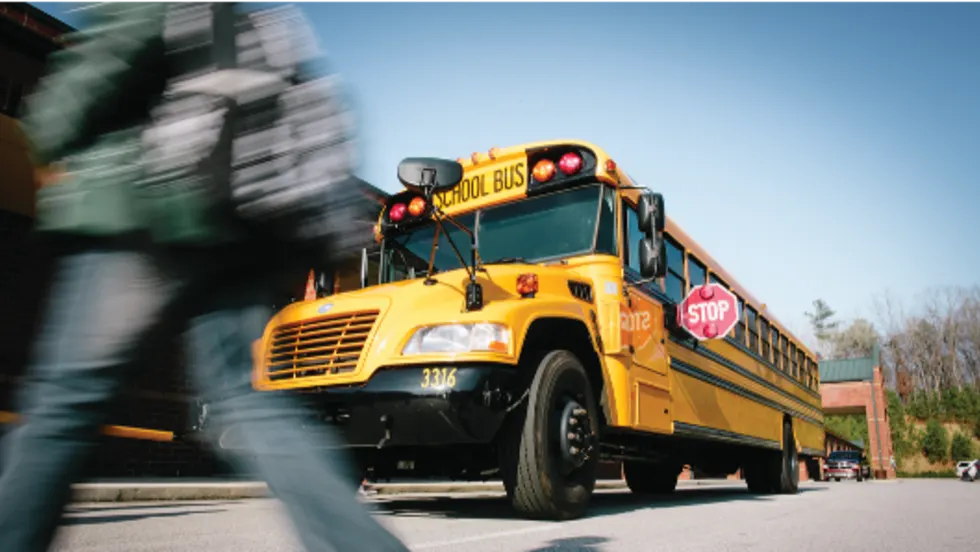
The Fuel Budget You Can Actually Predict: How Propane Autogas Keeps Money in the Classroom
Learn how propane autogas helps school districts manage fuel costs with predictable pricing, lower maintenance, and reduced emissions from former transportation director Joel Stutheit.
Read More →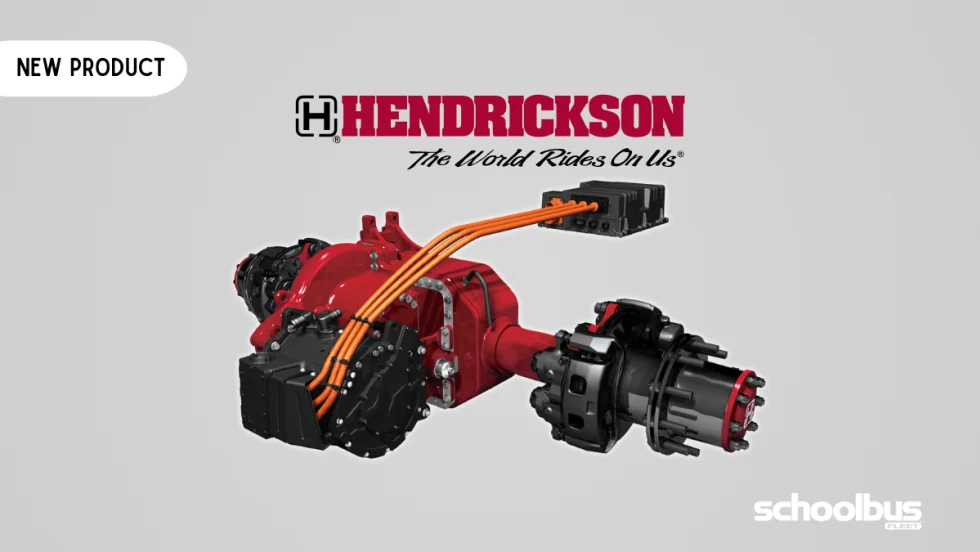
Hendrickson, Driventic Introduce New Electric Powertrain for School Buses
ELECTRAAX, the electrified, lightweight drive axle offers integrated ePowertrain efficiency and modular flexibility for Class 6–7 school bus use.
Read More →
The Mobility House Joins PowerFlex in Fleet Electrification Deal
The acquisition combines intelligent charging software, bidirectional charging expertise, and fleet electrification services to support the growing adoption of electric school buses across North America.
Read More →
Alt-Fuel Moves: Electric School Bus Investments Hit the Road
See which districts across the U.S. are putting electric school buses into service, expanding charging infrastructure, and planning the next phase of fleet electrification.
Read More →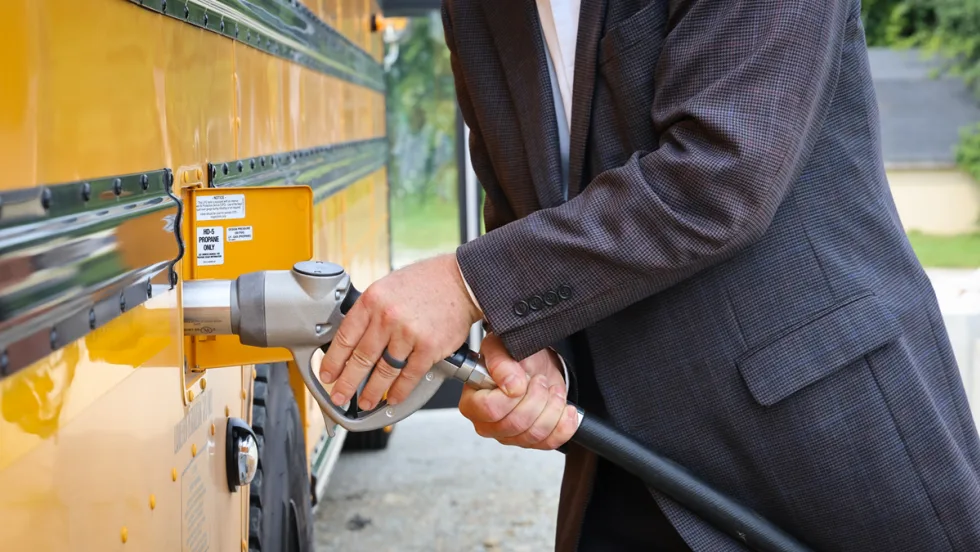
With Fuel Volatility Ahead, School Districts Turn to Propane
While diesel prices peaked above $5 this spring, districts with propane autogas-powered fleets paid under $2 per gallon, according to PERC.
Read More →
EPA Unveils Proposed Changes to 2027 Heavy-Duty Engine Rules
The federal agency has proposed changes to next year’s targets that would eliminate DEF derates, ease warranty requirements, and retain current NOx emissions standards.
Read More →
Alt-Fuel Moves: EV Charging & Infrastructure Projects Gain Momentum
The latest developments include new funding, charging infrastructure, utility investments, and fleet technologies designed to support the transition to electric school buses nationwide.
Read More →