





Get Informed: Fueling the Future: Green-Powered Technology
ROUSH CleanTech Propane Autogas Engines Now Standard with Ultra-Low NOx Emissions
Explore the latest advancements in propane autogas engines with standard ultra-low NOx emissions. Discover how these engines exceed regulations, promote environmental sustainability, and contribute to improved air quality.
May 18, 2023
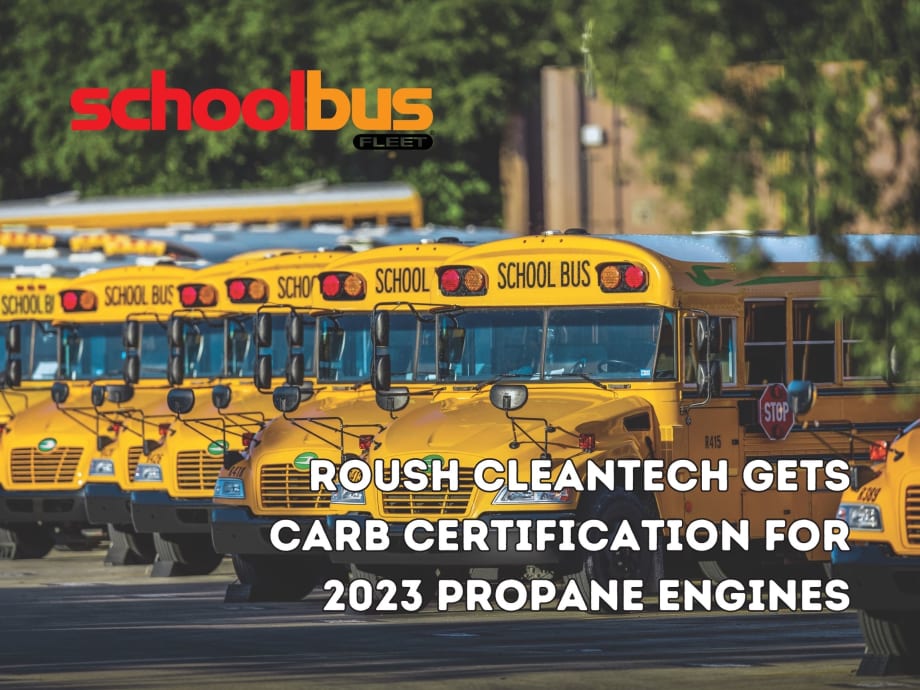
The Roush CleanTech propane engines are used in Blue Bird school buses and other commercial vehicles.
Image: Canva/PERC
2 min to read
ROUSH CleanTech has achieved California Air Resources Board certification for its 2023 model year propane engines, which emit ultra-low nitrogen oxide (NOx) emissions at 0.02 grams per brake horsepower-hour.
Propane Autogas Environmental Benefits and Regulatory Compliance
Previously an optional feature, the low NOx emissions package is now standard across all ROUSH CleanTech propane engines. These engines exceed 2023 regulations by emitting 90% less NOx emissions and are 60% cleaner than California's 2024 low-NOx standard, while maintaining performance and efficiency.
Nitrogen oxides, recognized as a significant contributor to environmental issues like acid rain and smog, can pose health risks, particularly for children, including asthma and respiratory problems. On the other hand, operating vehicles with ultra-low emission engines significantly improves regional air quality and mitigates various health impacts, according to the EPA.
“Customers can rest easy knowing that ROUSH CleanTech propane engines provide ultra-low NOx emissions with no added cost today. And, we are well on our way to meeting California and EPA’s emissions standards for 2027 and beyond,” said Todd Mouw, executive vice president at ROUSH CleanTech.
Incentives and Adoption Opportunities for Fleets
Fleet operators purchasing the 2023 models can take advantage of various state and federal incentives, such as the Clean School Bus Program under the Infrastructure Investment and Jobs Act, as well as the Volkswagen Environmental Mitigation Trust settlement.
ROUSH CleanTech, an alternative fuel technology company, introduced low NOx engines in 2018 and became the first manufacturer to receive CARB's ultra-low 0.02 grams per brake horsepower-hour certification for Blue Bird school buses and commercial vehicles in 2021. Mouw emphasized that the company achieved this certification ahead of regulations.
ROUSH CleanTech's latest technology and the availability of renewable propane highlight how the fuel has evolved from being merely a "bridge" to a long-term solution for transportation energy. Adopting renewable propane allows fleets to operate with comparable power and reliability to conventional propane. Additionally, renewable propane has an ultra-low carbon intensity and is carbon neutral when combusted.
Over 37,000 advanced clean vehicles equipped with ROUSH CleanTech's engines are currently on the road, including 18,500 school buses in 1,000 U.S. school districts. Mouw reaffirmed ROUSH CleanTech's commitment to offering environmentally friendly vehicle solutions that utilize domestically produced, cost-effective propane autogas engines.
More Alternative Fuels

CALSTART and Forth Combine to Form Catalyst Mobility
The new name represents a renewed vision for the nonprofit focused on advancing clean, equitable, and affordable transportation solutions that move people and goods.
Read More →
Alt-Fuel Moves: New Buses, Charging Hubs & Real-World EV Testing
Propane and electric school bus deployments continue to grow as districts add new vehicles, expand charging infrastructure, and gather more real-world operating data.
Read More →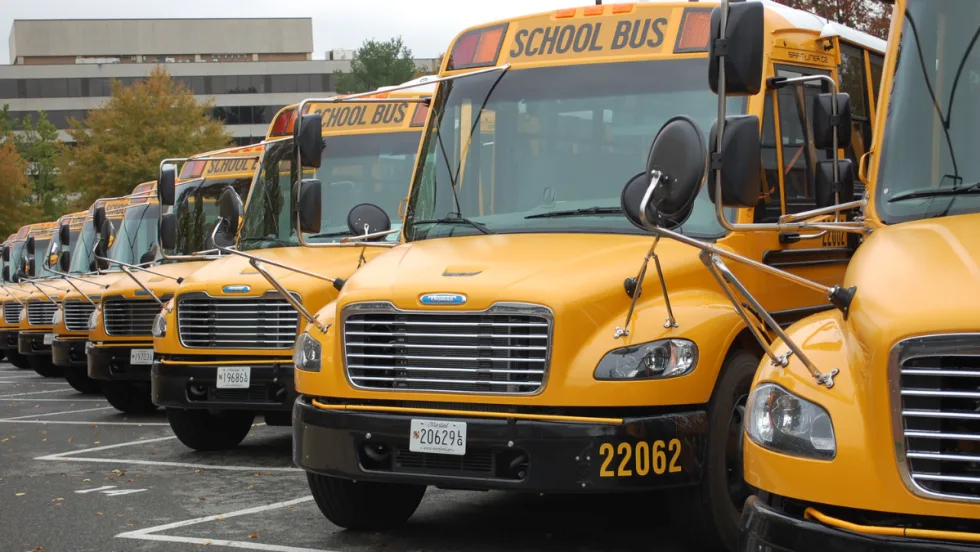
Fewer Electric School Bus Models Reshape the U.S. Market
WRI’s latest buyer’s guide points to a consolidating electric school bus market, but fewer options may reflect a maturing industry rather than fewer meaningful choices for school bus operators.
Read More →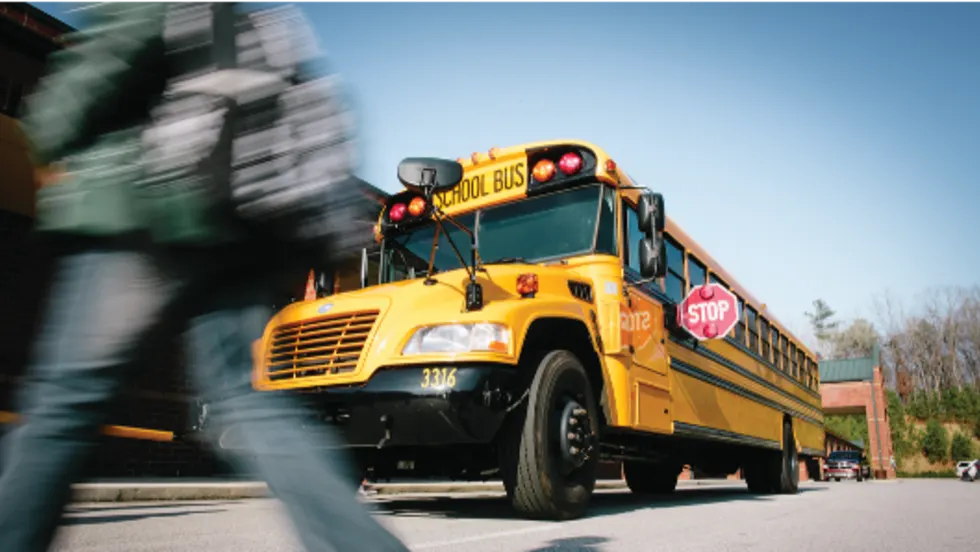
The Fuel Budget You Can Actually Predict: How Propane Autogas Keeps Money in the Classroom
Learn how propane autogas helps school districts manage fuel costs with predictable pricing, lower maintenance, and reduced emissions from former transportation director Joel Stutheit.
Read More →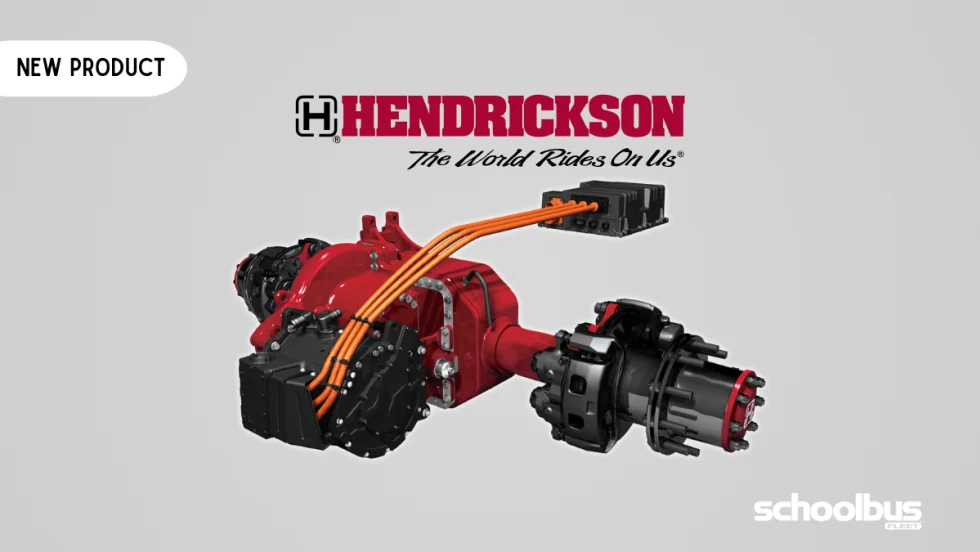
Hendrickson, Driventic Introduce New Electric Powertrain for School Buses
ELECTRAAX, the electrified, lightweight drive axle offers integrated ePowertrain efficiency and modular flexibility for Class 6–7 school bus use.
Read More →
The Mobility House Joins PowerFlex in Fleet Electrification Deal
The acquisition combines intelligent charging software, bidirectional charging expertise, and fleet electrification services to support the growing adoption of electric school buses across North America.
Read More →
Alt-Fuel Moves: Electric School Bus Investments Hit the Road
See which districts across the U.S. are putting electric school buses into service, expanding charging infrastructure, and planning the next phase of fleet electrification.
Read More →
With Fuel Volatility Ahead, School Districts Turn to Propane
While diesel prices peaked above $5 this spring, districts with propane autogas-powered fleets paid under $2 per gallon, according to PERC.
Read More →
EPA Unveils Proposed Changes to 2027 Heavy-Duty Engine Rules
The federal agency has proposed changes to next year’s targets that would eliminate DEF derates, ease warranty requirements, and retain current NOx emissions standards.
Read More →
Alt-Fuel Moves: EV Charging & Infrastructure Projects Gain Momentum
The latest developments include new funding, charging infrastructure, utility investments, and fleet technologies designed to support the transition to electric school buses nationwide.
Read More →