




More Stories: Bonny Eagle School District Puts Renewable Propane to the Test
4 Reasons I Chose Propane Autogas Buses as a School District Transportation Director
Take a peek inside the decision-making process that led to a more reliable, cleaner fleet, according to a former district director-turned PERC manager.
by Joel Stutheit, PERC
July 10, 2025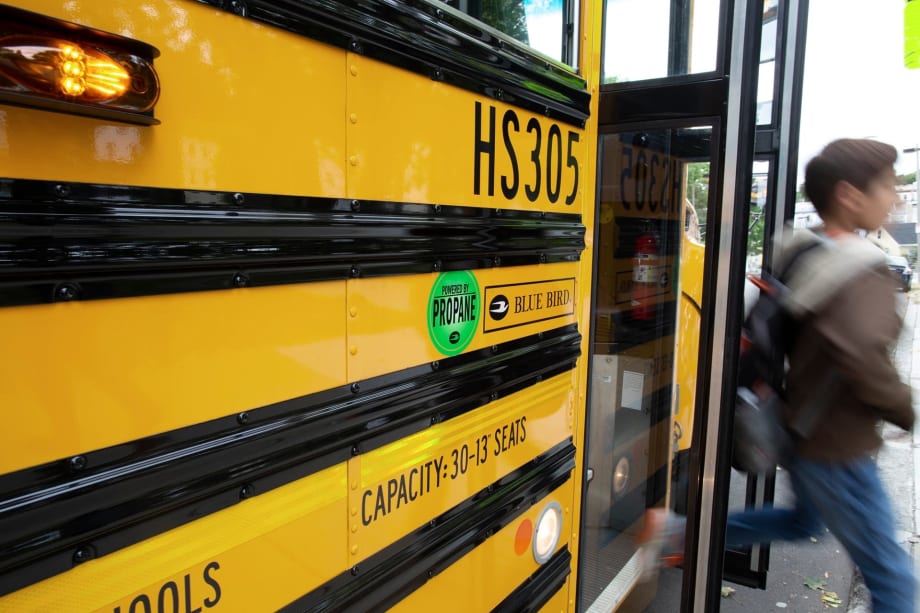
Cost, performance, emissions, and future infrastructure needs are what fueled Joel Stutheit to make the switch from diesel to propane.
Photo: PERC
6 min to read
Before joining the Propane Education & Research Council (PERC), I spent three and a half years as transportation director of Bethel School District in Washington. Located about 15 miles south of Tacoma and bordering Joint Base Lewis-McChord, Bethel School District is 202 square miles in size and serves a mix of rapidly growing urban, suburban, and rural communities.
When I joined the transportation department, the fleet was using 160 diesel and gasoline school buses, but diesel was becoming less and less viable. With increased regulations and complex emissions systems, there were additional strains on our maintenance budgets.
We also experienced increased diesel price fluctuations, which were at their worst during a fuel price spike in 2008 when our cost for diesel was over $4.50 per gallon. That spike caused the district to go over its fuel budget by half a million dollars that year. With these challenges, I knew we needed to find an alternative, and I began researching options.
When I first heard about propane autogas school buses, I didn’t get on board immediately.
I had observed other alternative fuel and diesel hybrid school buses fail. But over time, it became clear that investing in propane autogas school buses could solve many of the Bethel School District’s issues. After evaluating various fuel types, there were four main factors that ultimately led us to replace 80 diesel buses with propane autogas buses.
1. Lower Cost of Ownership
It became clear early on that investing in propane autogas school buses could solve many of our fuel budget issues. Because most U.S. propane is produced domestically with a stable supply, it offers more stable prices than diesel or gas, and we found that to be true for our fleet. We didn’t experience the same spikes or falls, which allowed us to better plan our budgets for the year.
On average, we saw propane autogas cost about 50% less per gallon than gasoline or diesel. Likewise, we saw lower maintenance costs with our propane autogas buses than we did with the older diesel buses because they required less aftermarket emissions treatment such as diesel emissions fluid (DEF) and diesel particulate filters (DPFs).
I oversaw a total budget of around $18 million for Bethel School District and the procurement of $2.5 million in school buses annually.
Although the upfront cost of the propane autogas buses themselves were slightly higher than those of diesel, we saw a better overall ROI between the lower cost of fuel and maintenance. We were also able to take advantage of grant funds to help offset the cost of the buses or fuel for a year.
2. Reliability and Performance
One of the biggest decision points for me when it came to choosing a fuel type was reliability. With a large enrollment of students and a large area to cover, vehicle uptime was critical.
Next to cost, the main driver of our switch to propane autogas was that diesel was no longer reliable. Because some of the newer diesel and gasoline buses we ran were subject to newer regulations, they required more time in the shop replacing aftermarket fluids and filters.
Our propane autogas buses didn’t face these issues. Because they run cleaner, the propane autogas buses didn’t suffer the same carbon build-up often seen in gasoline and diesel engines — meaning the potential for longer engine life, fewer maintenance issues, and reduced vehicle downtime.
Likewise, we evaluated that EVs wouldn’t work for our district due to the size of the area we had to service. A neighboring school district with a smaller area to cover tried an electric bus, and it was not able to perform a full day of driving routes without recharging, so they had to rely on diesel buses as a backup.
Transporting students daily has its fair share of logistical challenges, so we needed a fuel type that could reliably perform all day. Our propane autogas buses could easily handle the routes without needing downtime to refuel.
Even as financial incentives started moving toward EVs, I decided to hit the easy button by sticking with propane autogas. I knew how it would perform with the range and the reliability we needed.
3. Emissions and Safety
Another major upside of choosing propane autogas was its lower emissions. I worked with manufacturers like Roush CleanTech and my local Blue Bird dealer to learn more about how propane autogas engines emit fewer emissions. Today’s propane autogas engines produce 96% fewer harmful nitrogen oxide (NOx) emissions than diesel and have near-zero particulate matter (PM) emissions. These engines are 90% cleaner than Environmental Protection Agency (EPA) standards.
Lower emissions didn’t only help Bethel School District stay ahead of federal emissions regulations, but created a cleaner, safer, more enjoyable ride for drivers and student passengers. I had a lot of one-on-one conversations with drivers who commented on how they noticed fewer unpleasant fumes when driving the propane autogas buses. They also noted how the propane autogas buses made less noise than diesel buses, improving safety by making it easier for them to pay attention to what was happening both inside and outside the bus.
The propane autogas buses were so popular among drivers, they were often the first to be selected for routes every school year.
4. Scalable Infrastructure
A final key takeaway from my experiences managing a school bus fleet is to be cognizant of current and future refueling infrastructure needs. You might start small, but as you add buses to your fleet, your refueling infrastructure will need to be able to scale to meet the added demand, so make sure you select refueling sites that can handle future needs.
I found that propane refueling infrastructure is relatively affordable, flexible, and easy to install. We chose to install a leased, private on-site refueling station at our bus barn for added convenience. As the fleet grew, we knew we could scale the infrastructure with a larger tank or more dispensers.
My propane supplier worked closely with me to develop a solution to match the fleet’s needs. In many cases, propane suppliers offer these stations at little or no cost with a fuel contract. My research found that installation costs for propane stations were often 20% to 50% the cost of comparable EV and 5% the cost of comparable CNG infrastructure.
Finding the Right Fuel for Your Fleet
There will be many times in every transportation director’s career where they’ll take a close look at how to optimize their fleet, and they’ll need to ask themselves questions like the ones I asked myself when trying to select a new fuel. I recommend considering if the new fuel provides the cost, reliability, and clean benefits you need. For my district, and for more than 1,200 others across the country, that right fuel was propane autogas.

Photo: Joel Stutheit
About the Author: Joel Stutheit is the senior manager of autogas business development at the Propane Education & Research Council. He can be reached at joel.stutheit@propane.com.
Subscribe to Our Newsletter
More Alternative Fuels

CALSTART and Forth Combine to Form Catalyst Mobility
The new name represents a renewed vision for the nonprofit focused on advancing clean, equitable, and affordable transportation solutions that move people and goods.
Read More →
Alt-Fuel Moves: New Buses, Charging Hubs & Real-World EV Testing
Propane and electric school bus deployments continue to grow as districts add new vehicles, expand charging infrastructure, and gather more real-world operating data.
Read More →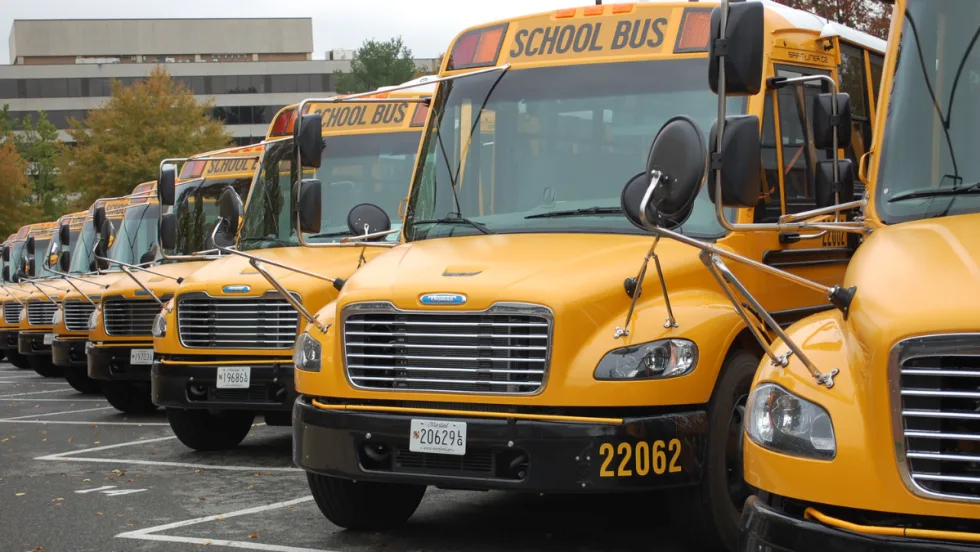
Fewer Electric School Bus Models Reshape the U.S. Market
WRI’s latest buyer’s guide points to a consolidating electric school bus market, but fewer options may reflect a maturing industry rather than fewer meaningful choices for school bus operators.
Read More →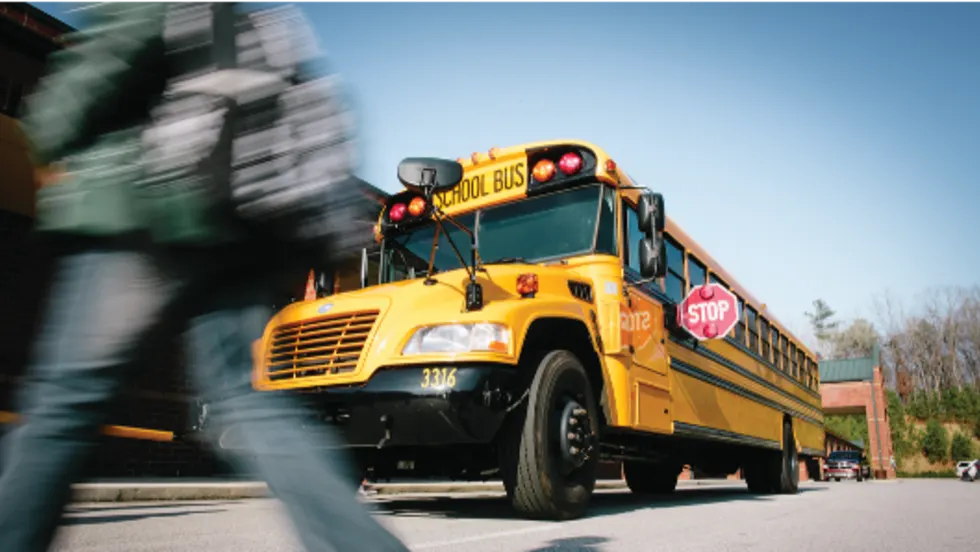
The Fuel Budget You Can Actually Predict: How Propane Autogas Keeps Money in the Classroom
Learn how propane autogas helps school districts manage fuel costs with predictable pricing, lower maintenance, and reduced emissions from former transportation director Joel Stutheit.
Read More →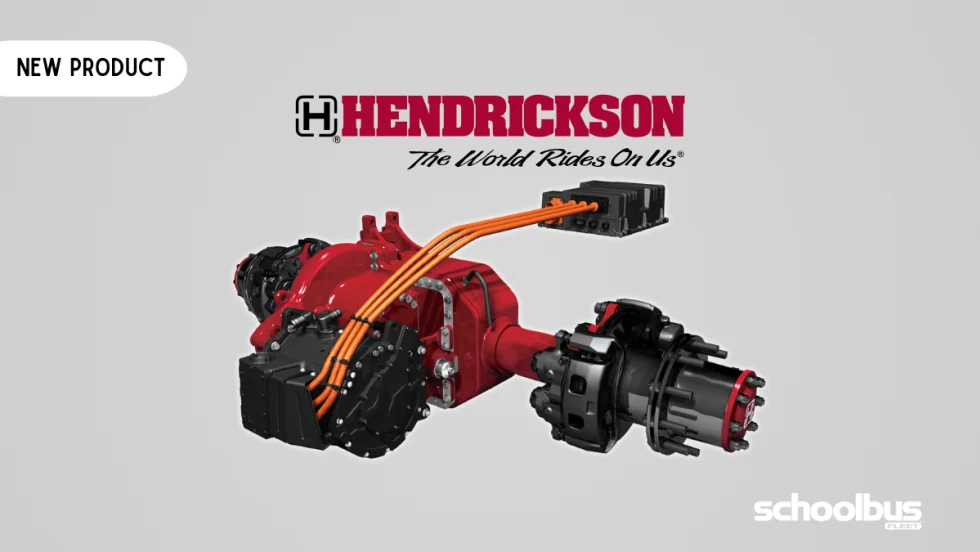
Hendrickson, Driventic Introduce New Electric Powertrain for School Buses
ELECTRAAX, the electrified, lightweight drive axle offers integrated ePowertrain efficiency and modular flexibility for Class 6–7 school bus use.
Read More →
The Mobility House Joins PowerFlex in Fleet Electrification Deal
The acquisition combines intelligent charging software, bidirectional charging expertise, and fleet electrification services to support the growing adoption of electric school buses across North America.
Read More →
Alt-Fuel Moves: Electric School Bus Investments Hit the Road
See which districts across the U.S. are putting electric school buses into service, expanding charging infrastructure, and planning the next phase of fleet electrification.
Read More →
With Fuel Volatility Ahead, School Districts Turn to Propane
While diesel prices peaked above $5 this spring, districts with propane autogas-powered fleets paid under $2 per gallon, according to PERC.
Read More →
EPA Unveils Proposed Changes to 2027 Heavy-Duty Engine Rules
The federal agency has proposed changes to next year’s targets that would eliminate DEF derates, ease warranty requirements, and retain current NOx emissions standards.
Read More →
Alt-Fuel Moves: EV Charging & Infrastructure Projects Gain Momentum
The latest developments include new funding, charging infrastructure, utility investments, and fleet technologies designed to support the transition to electric school buses nationwide.
Read More →