




Read: Bonny Eagle School District Puts Renewable Propane to the Test
Investing in Greener Buses Isn’t Just An EV Thing
Electric school buses aren’t the only path to sustainable transportation. Discover why propane offers a proven, cost-effective solution as EV tech continues to evolve.
by Todd Mouw, ROUSH CleanTech
March 28, 2025
One district in Virginia has saved over $2 million already in fuel and parts alone using propane.
Photo: Amanda Huggett
3 min to read
In recent years, electric school buses have dominated the conversation as the only path to sustainable student transportation. Electrification will continue to play a big role in how we transform our transportation system, but we believe that it is not a silver bullet. There are other technologies and domestic energy choices that reduce harmful emissions and operational costs.
This isn’t to say that electric buses don’t have their place, but a “one size fits all” approach is flawed. EV technology and infrastructure are a long way from being commercially viable without the help of significant federal and state incentives.
Beyond the cost of the technology and infrastructure, there are other challenges that the industry must tackle before it can become a mainstream solution for school buses and commercial trucks.
- Can the grid handle the additional demand? With the growing energy demand for emerging tech like AI, where does the capacity for school bus transportation rank?
- With an aging school bus fleet, how do we pay for the 3-4 times incremental cost of an EV bus?
- How clean is the grid? While it varies by state, solutions like propane have a lower overall carbon intensity score than EVs.
- As the frequency of natural disasters increases, we need multiple solutions to ensure the resiliency of our transportation needs.
- As battery electric vehicle volumes grow, how do we tax their use of our infrastructure so reinvestment can occur? Once this happens, how does it affect the total cost of ownership model?
- Regarding supply chain maturity, where are we getting the raw materials for batteries, and do we have a domestic supply?
- What is the long-term viability of some of the technology providers? Over the last 12 months, several companies have exited the EV space, leaving customers stranded with no support.
These are just a few examples of “opportunities” that must be addressed for battery electric technology to become more commercially viable.
Now for the bright side. As EV technology matures, there are other proven solutions that school districts can lean on to reduce harmful emissions and operating costs. Propane is one of those solutions.
Today, more than 1.9 million kids will ride to and from school safely on a propane school bus. More than 1,100 districts across North America have transitioned to Blue Bird propane buses, accumulating more than 2 billion miles. These districts operate in cold weather, hot weather, and high altitudes. Plus, these propane buses provide a range comparable to diesel. We have a growing list of customers who are saving as much as $3,700 per propane bus per year, providing a total cost of ownership that can’t be matched by diesel or any of the emerging technologies.
Virginia’s Newport News Public Schools operates 153 propane buses — almost 50% of its bus fleet. Using propane buses has saved the district more than $2 million in fuel and parts, with a cost-saving of at least $0.25 per mile driven. Its propane buses are 90% cleaner in nitrogen oxide (NOx) emissions than the EPA’s strictest standards and 99% cleaner than older diesel models.
There is also an emerging supply of renewable propane. With a carbon intensity five times lower than diesel, it showcases a pathway for fleets to significantly reduce their carbon footprint as the scrutiny around emissions reduction continues.
The key sentiment here is that electric buses, while promising, still have a long way to go to become commercially viable. With or without funding, propane school buses are a way to dramatically reduce emissions and costs, creating a situation where kids (and parents) are breathing easier and taxpayers are satisfied.

Todd Mouw
Photo: ROUSH CleanTech
About the Author: Todd Mouw is executive vice president for ROUSH CleanTech, an industry leader of alternative fuel vehicle technology. Mouw has served as president of the NTEA Green Truck Association. To learn more, call 800.59.ROUSH or visit ROUSHcleantech.com.
Subscribe to Our Newsletter
More Alternative Fuels

CALSTART and Forth Combine to Form Catalyst Mobility
The new name represents a renewed vision for the nonprofit focused on advancing clean, equitable, and affordable transportation solutions that move people and goods.
Read More →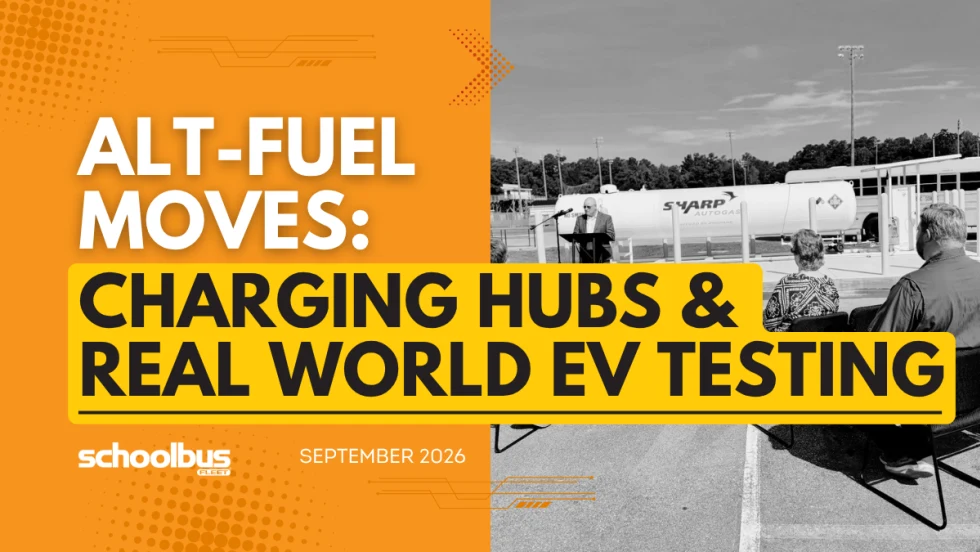
Alt-Fuel Moves: New Buses, Charging Hubs & Real-World EV Testing
Propane and electric school bus deployments continue to grow as districts add new vehicles, expand charging infrastructure, and gather more real-world operating data.
Read More →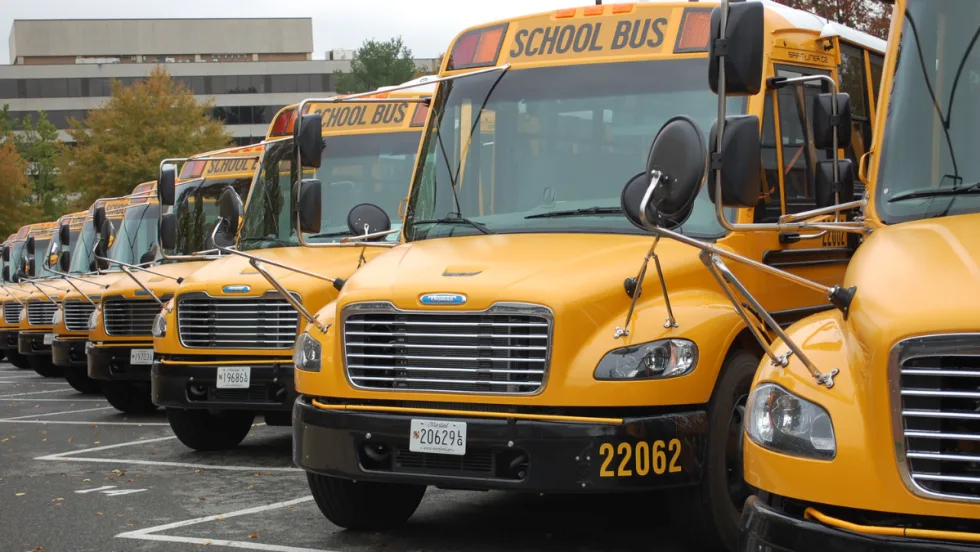
Fewer Electric School Bus Models Reshape the U.S. Market
WRI’s latest buyer’s guide points to a consolidating electric school bus market, but fewer options may reflect a maturing industry rather than fewer meaningful choices for school bus operators.
Read More →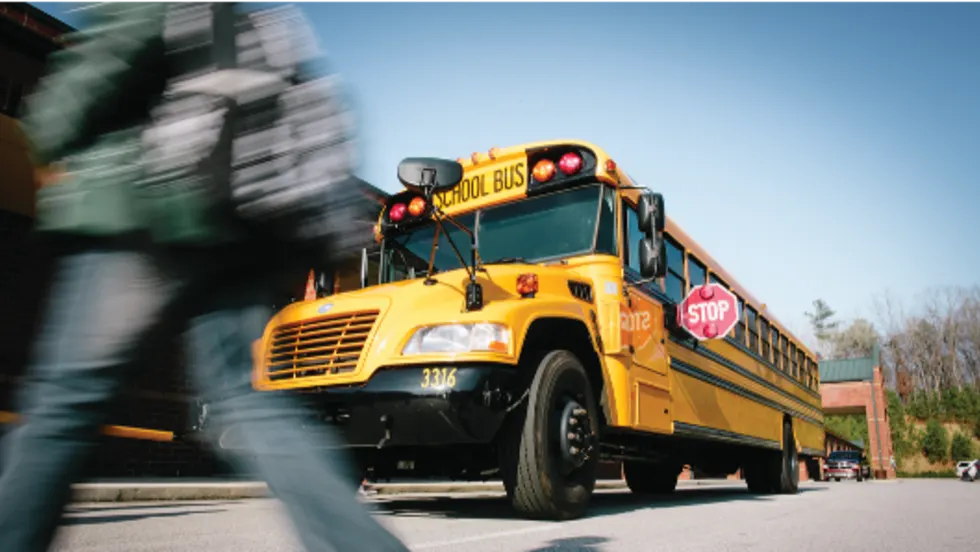
The Fuel Budget You Can Actually Predict: How Propane Autogas Keeps Money in the Classroom
Learn how propane autogas helps school districts manage fuel costs with predictable pricing, lower maintenance, and reduced emissions from former transportation director Joel Stutheit.
Read More →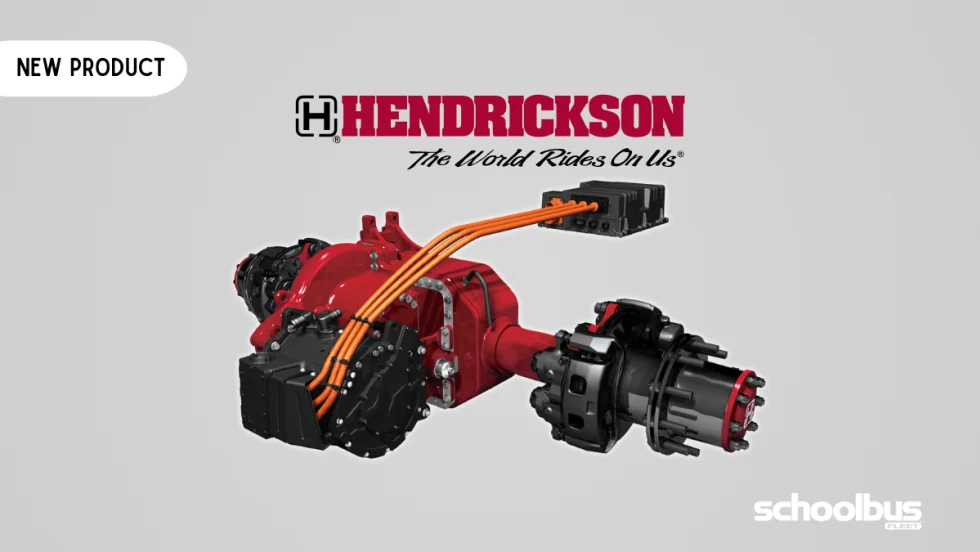
Hendrickson, Driventic Introduce New Electric Powertrain for School Buses
ELECTRAAX, the electrified, lightweight drive axle offers integrated ePowertrain efficiency and modular flexibility for Class 6–7 school bus use.
Read More →
The Mobility House Joins PowerFlex in Fleet Electrification Deal
The acquisition combines intelligent charging software, bidirectional charging expertise, and fleet electrification services to support the growing adoption of electric school buses across North America.
Read More →
Alt-Fuel Moves: Electric School Bus Investments Hit the Road
See which districts across the U.S. are putting electric school buses into service, expanding charging infrastructure, and planning the next phase of fleet electrification.
Read More →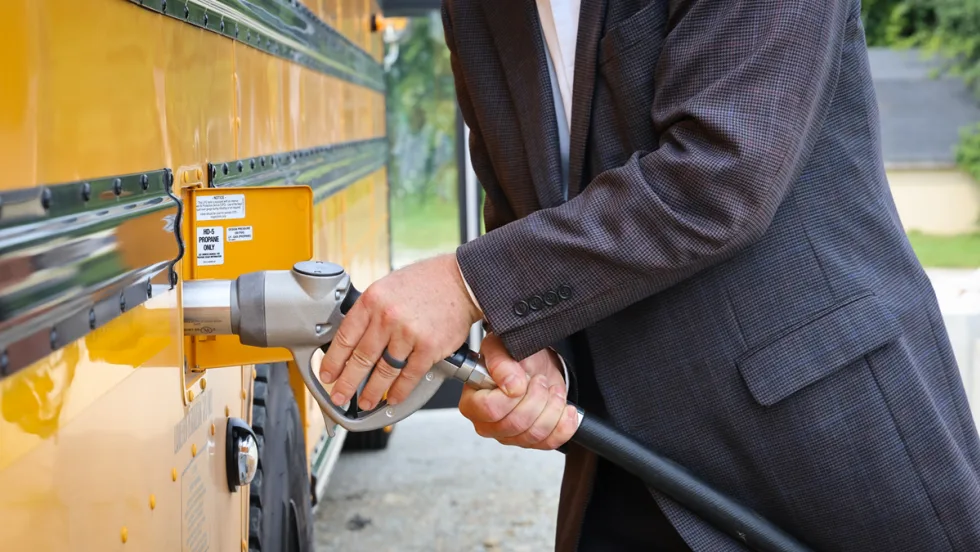
With Fuel Volatility Ahead, School Districts Turn to Propane
While diesel prices peaked above $5 this spring, districts with propane autogas-powered fleets paid under $2 per gallon, according to PERC.
Read More →
EPA Unveils Proposed Changes to 2027 Heavy-Duty Engine Rules
The federal agency has proposed changes to next year’s targets that would eliminate DEF derates, ease warranty requirements, and retain current NOx emissions standards.
Read More →
Alt-Fuel Moves: EV Charging & Infrastructure Projects Gain Momentum
The latest developments include new funding, charging infrastructure, utility investments, and fleet technologies designed to support the transition to electric school buses nationwide.
Read More →