




How to Choose the Right Chargers for Your Electric School Bus Fleet
Electric School Bus Financing: Making Fleet Transitions Operationally Sustainable for the Long Haul
Electric school bus success hinges on long-term planning, which means smart financing, battery management, and service-based models that keep fleets reliable for years.
by Kristen Lydon, Zenobē
December 12, 2025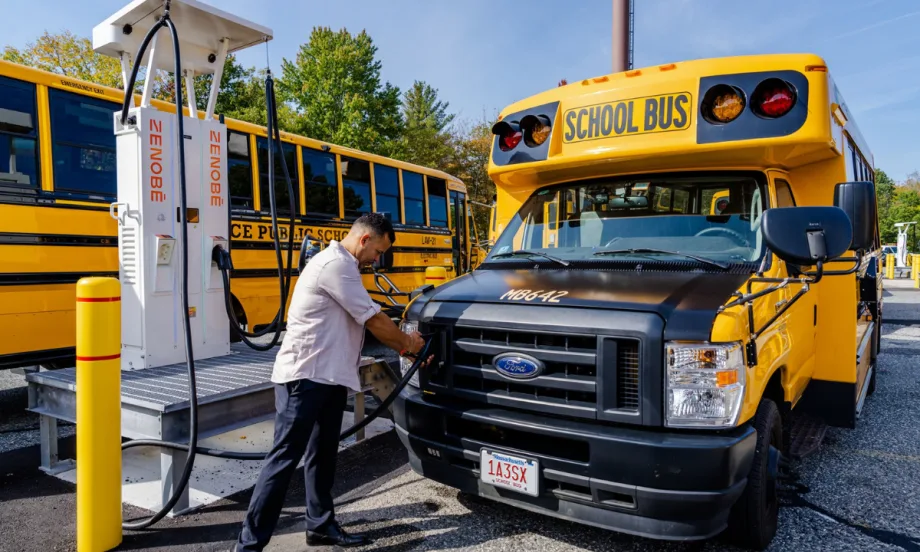
Electric school buses can deliver strong long-term value when fleet managers take a lifecycle-based approach to planning, financing, and operating.
Photo: Zenobē
6 min to read
School districts across the U.S. are embracing electric school buses for their cleaner air, quieter operation and long-term cost advantages. Yet effective electric school bus financing requires more than securing incentives and purchasing vehicles.
Real value emerges only when districts plan for the full lifecycle of their electric fleets, including battery performance, charging infrastructure, operational practices and long-term support from partners who remain involved well beyond deployment.
During the initial stages of electrification projects, the focus often lies on securing incentives, purchasing vehicles, and installing charging infrastructure. While those are important, the real work begins after the buses are delivered. Batteries age, infrastructure needs evolve and operational practices influence long-term performance.
Electric school buses can deliver lower total cost of ownership (TCO), but that benefit becomes visible only when projects and the fleet are seen in operation over five, 10, or 15 years. And realizing the many potential benefits requires an approach grounded in real-world battery behavior, reliable charging operations and other facets of long-term support from partners who remain involved well beyond launch day.
Understanding the Long-Term Realities of Electric School Bus Fleets
Electric school buses work. They deliver the range, comfort, and environmental benefits that school bus fleet managers expect. The operational realities that surface are normal characteristics of any maturing system, and with the right support, they are predictable and manageable.
Battery performance is a central part of this. Batteries naturally change over time based on charging patterns, temperature exposure, and duty cycles. What matters is ongoing monitoring and the ability to understand how batteries are trending, so operators can plan routes, schedules and replacements with confidence. Partners who understand battery behavior and remain involved over the entire life of the fleet play a crucial role in ensuring that buses stay on the road reliably.
Charging infrastructure is another long-term consideration. The infrastructure will require software updates, hardware servicing and adjustments as fleet needs evolve. School bus fleet managers that plan infrastructure the same way they plan vehicles — assuming long-term maintenance, upgrades, and operational changes — will be better positioned to keep charging systems reliable and cost-efficient.
For many districts, structuring electric school bus financing around these lifecycle realities provides the predictability needed to scale.
Service-Based Models for Electric School Bus Financing and Operational Certainty
To manage and mitigate long-term risks, many school bus fleet managers are beginning to adopt service-based financing models that focus on performance guarantees rather than asset ownership per se.
Rather than necessarily purchasing everything upfront and bearing full responsibility for maintenance and replacement, fleet managers can pay for outcomes like reliable range, dependable charging and predictable operating costs.
Battery-as-a-Service for School Bus Fleets
One such model is battery-as-a-service (BaaS). In a BaaS arrangement, the fleet operator owns the buses, but the batteries are owned and managed by a third party who then leases the battery back to the operator.
The monthly leasing fee typically covers guaranteed battery performance, continuous monitoring, technical support, and replacement if the battery can no longer meet the necessary performance standards. It also includes end-of-life recovery, which takes the burden of disposal from the operator.
Zenobē’s partnership with Nottingham City Transport follows this model. Zenobē financed the batteries on board 24 new electric buses and gave a 16-year performance guarantee, while also supplying and managing the depot’s charging infrastructure. This arrangement lets Nottingham operate a zero-emission fleet without the financial burden or operational risk of battery ownership, while ensuring service reliability and cost predictability over time.
The practical impact of this approach is significant. Fleet managers gain predictable budgets without worrying about a sudden replacement expense in the middle of a vehicle’s life. The provider takes responsibility for maximizing battery health through analytics and charging recommendations. This also improves uptime: when performance guarantees are in place, both parties are aligned around keeping buses ready for regular routes.
Since the battery still holds value at the end of its bus life, and can be redeployed in second life and portable power applications, that residual value can be accounted for in initial planning and can help bring down overall program cost.
Electric-Vehicle-as-a-Service Models
The Electric-Vehicle-as-a-service) model goes a step further by bundling the entire ecosystem into a single performance-based contract including vehicles, chargers, software, installation, maintenance and long-term support.
This turnkey approach is particularly helpful for fleet operators that do not have in-house EV engineering or infrastructure teams. The fleet operator remains focused on student transportation and safe operations, while the provider manages the technical systems that keep the fleet charged and running reliably.
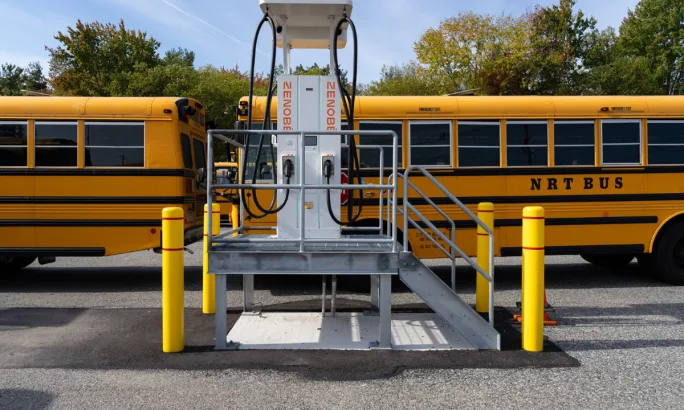
Partners who understand battery behavior and remain involved over the entire life of the fleet play a crucial role in ensuring that buses stay on the road reliably.
Photo: Zenobē
Public-Private Partnerships for School Bus Electrification
Unlike service-based models, which address the reduction of operational risk, public-private partnerships (PPPs) solve upfront capital requirements and often complex multi-party coordination. They allow school bus fleet managers to combine federal funds, state and utility programs and private support into a single, unified financing and deployment strategy.
A strong example of this approach comes from Lawrence Public Schools. Zenobē, as part of a coalition of public and private organizations, supported the district’s deployment of 35 electric buses and minibuses. Of that, 25 were supported by EPA Clean School Bus funding, and 10 by the Massachusetts Clean Energy Center and MassDEP. The charging site was energized through collaboration with two local and regional utilities, while private-sector partners designed and delivered the solution.
This project succeeds because responsibilities were shared. Public agencies supported with foundational funding and private partners addressed the technical and financial components required to deliver a fully integrated solution. The close collaboration allowed the district to move forward while putting in place a model that can scale as fleet needs grow.
Battery Performance Management: The Foundation of TCO
Beyond the financing or delivery model, effective battery management remains central to long-term fleet sustainability. Districts can extend battery life and improve TCO by incorporating a few simple, high-impact practices.
Key battery management practices include:
- Avoiding frequent deep discharges.
- Charging within an optimized window (generally 20% to 80%).
- Maintaining steady charging rather than rapid, reactive charging.
- Using real-time data to detect anomalies early.
- Adjusting routes or schedules based on battery performance trends.
These strategies are most successful when managed by partners who understand battery behavior and remain involved throughout the fleet’s lifespan.
Returning to the operational level, driver training plays a meaningful role as well. Techniques like regenerative braking can lower energy use, while gentler driving and maintaining charge levels between roughly 20% and 80% help preserve battery health and reduce long-term costs.
Planning Electric School Bus Programs That Deliver Long-Term Value
Electric school buses can deliver strong long-term value when fleet managers take a lifecycle-based approach to planning, financing, and operating. That means designing programs around operational realities, not just initial procurement needs or expectations.
By choosing partners who remain accountable for performance over many years, fleet managers can better safeguard long-term reliability.
Structuring financing to support batteries, charging infrastructure, and operational needs throughout the fleet’s life ensures electric fleets are just as economically viable as they are environmentally beneficial, making an electric school bus deployment a win for all stakeholders.

Credit:
Kristen Lydon
About the Author: Kristen Lydon is director of business development for Zenobē North America, where she partners with school districts, and fleet operators to design and implement electrification strategies that are as operationally sound as they are financially sustainable. Kristen brings more than 15 years of experience delivering complex, high-stakes projects across multiple sectors. She helps fleets navigate the transition to zero-emission operations with clarity and confidence.
This article was authored and edited according to School Bus Fleet editorial standards and style. Opinions expressed do not necessarily reflect that of SBF or Bobit Business Media.
Subscribe to Our Newsletter
More Alternative Fuels

CALSTART and Forth Combine to Form Catalyst Mobility
The new name represents a renewed vision for the nonprofit focused on advancing clean, equitable, and affordable transportation solutions that move people and goods.
Read More →
Alt-Fuel Moves: New Buses, Charging Hubs & Real-World EV Testing
Propane and electric school bus deployments continue to grow as districts add new vehicles, expand charging infrastructure, and gather more real-world operating data.
Read More →
Fewer Electric School Bus Models Reshape the U.S. Market
WRI’s latest buyer’s guide points to a consolidating electric school bus market, but fewer options may reflect a maturing industry rather than fewer meaningful choices for school bus operators.
Read More →
The Fuel Budget You Can Actually Predict: How Propane Autogas Keeps Money in the Classroom
Learn how propane autogas helps school districts manage fuel costs with predictable pricing, lower maintenance, and reduced emissions from former transportation director Joel Stutheit.
Read More →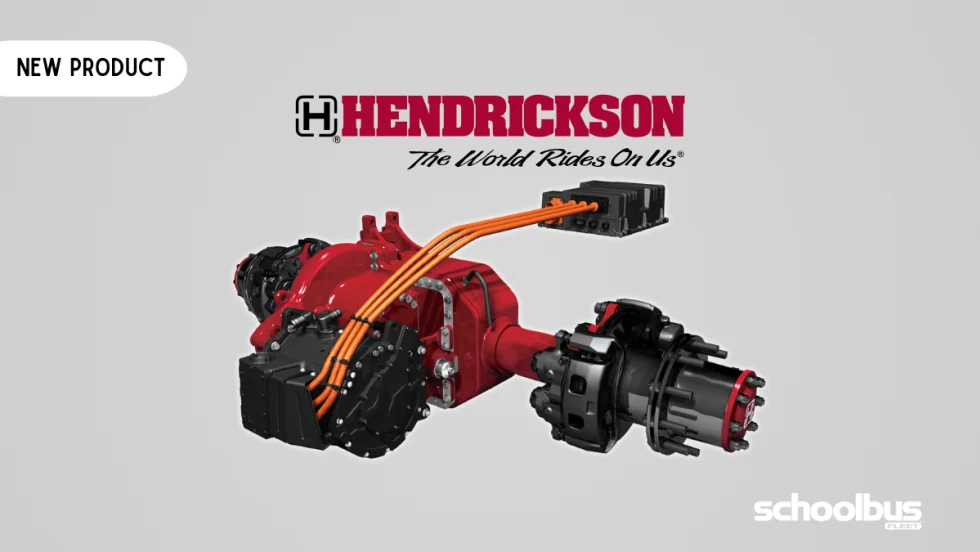
Hendrickson, Driventic Introduce New Electric Powertrain for School Buses
ELECTRAAX, the electrified, lightweight drive axle offers integrated ePowertrain efficiency and modular flexibility for Class 6–7 school bus use.
Read More →
The Mobility House Joins PowerFlex in Fleet Electrification Deal
The acquisition combines intelligent charging software, bidirectional charging expertise, and fleet electrification services to support the growing adoption of electric school buses across North America.
Read More →
Alt-Fuel Moves: Electric School Bus Investments Hit the Road
See which districts across the U.S. are putting electric school buses into service, expanding charging infrastructure, and planning the next phase of fleet electrification.
Read More →
With Fuel Volatility Ahead, School Districts Turn to Propane
While diesel prices peaked above $5 this spring, districts with propane autogas-powered fleets paid under $2 per gallon, according to PERC.
Read More →
EPA Unveils Proposed Changes to 2027 Heavy-Duty Engine Rules
The federal agency has proposed changes to next year’s targets that would eliminate DEF derates, ease warranty requirements, and retain current NOx emissions standards.
Read More →
Alt-Fuel Moves: EV Charging & Infrastructure Projects Gain Momentum
The latest developments include new funding, charging infrastructure, utility investments, and fleet technologies designed to support the transition to electric school buses nationwide.
Read More →