





Read Up: The State of Electric School Buses: Where We Are and Where We're Going
New England District Fleet Adds 35 Electric Buses
Lawrence Public Schools in Massachusetts worked with NRT Bus Inc. and Zenobē to deploy 25 new electric school buses and 10 minibuses funded through both federal and state programs.
September 29, 2025
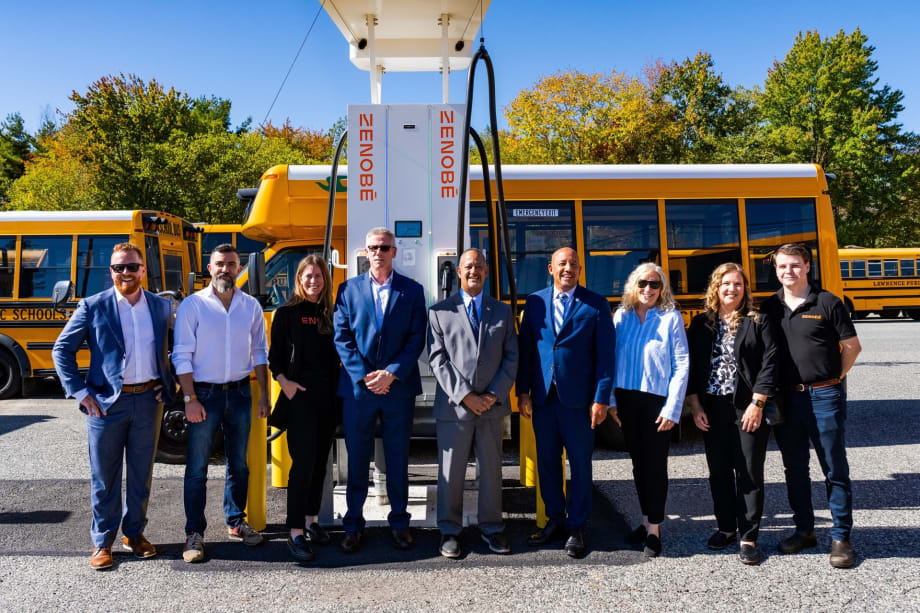
The ribbon cutting for the new buses was held in Methuen, Massachusetts on Sept. 29, 2025.
Photo: Zenobē
2 min to read
Lawrence Public Schools, its contractor NRT Bus Inc., EV infrastructure provider Zenobē, and partners today hosted a ribbon cutting to celebrate the deployment of 35 new electric school buses.
Lawrence Public Schools deployed 25 new electric school buses, supported by the Environmental Protection Agency (EPA), and 10 minibuses, supported by the Massachusetts Clean Energy Center (MassCEC) and funded by the Massachusetts Department of Environmental Protection (MassDEP). The buses are based in Methuen.
The charging site was completed last summer and is being used to charge and store the 35 new electric buses. Electrified by National Grid and Liberty Utilities, the site provides a sustainable hub for recharging the electric batteries that power the new fleet to shuttle Merrimack Valley students and community members to and from school and other local activities.
“As part of our ongoing commitment to reduce emissions and promote cleaner air for our students and schools, we are thrilled to announce the launch of this charging site to support our new electric fleet for Lawrence Public Schools,” said Scott Sheridan, senior VP of NRT Bus (a Beacon Mobility contractor). “We are grateful for the hard work and dedication of all our partners from the public and private sector who made this project possible and are helping us power this new fleet for the 2025 school year.”
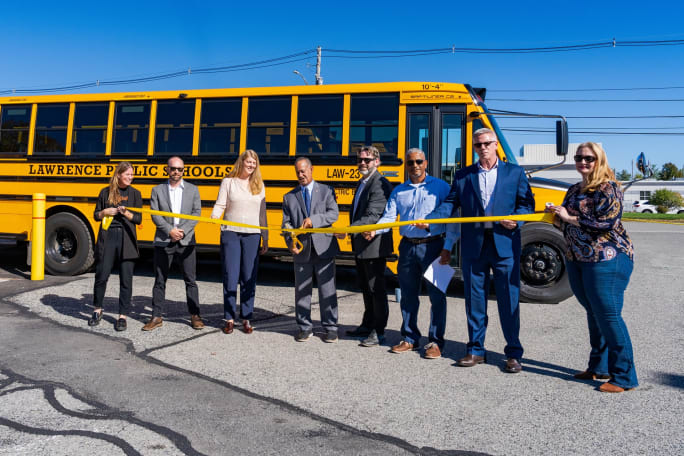
(Pictured, L-R): Maggie Clancy, executive vice president of U.S. EV sales and marketing, Zenobē; Hugh Reece, PMP program manager, National Grid; Rachel Ackerman, program director, Clean Transportation, MassCEC; Ralph L. Carrero, superintendent, Lawrence Public Schools; Hank Webster, director of climate strategy, Department of Environmental Protection; Santiago Moya, NRT Bus driver; Scott Sheridan, SVP operations, Beacon Mobility/NRT Bus; Lynda Gomez, senior operations manager, NRT Bus.
Photo: Zenobē
“We’re drawing on our global fleet electrification experience to bring clean transportation and its many health and climate benefits to NRT Bus, Beacon Mobility and Lawrence Public Schools. This is an excellent example of public-private partnership in action, and we believe projects like this can be as financially sustainable as they are environmentally sustainable and beneficial,” said Zenobē Executive Vice President of U.S. EV Sales and Marketing Maggie Clancy.
Lawrence Public Schools deployed the 25 new electric buses as part of the EPA’s Clean School Bus Program in 2022. The school district serves 13,000 K-12 students. The 25 electric school buses alone are projected to reduce carbon emissions by an estimated 1.35 million pounds per year, equivalent to removing 136 gas-powered passenger cars off the road for one year. In addition, the district was awarded $1,670,000 under MassCEC’s ACT School Bus Deployment Program in 2023, which was used to fund the 10 minibuses.
Lawrence Public Schools Superintendent Ralph Carrero said the initiative is the power of public-private partnership at its best.
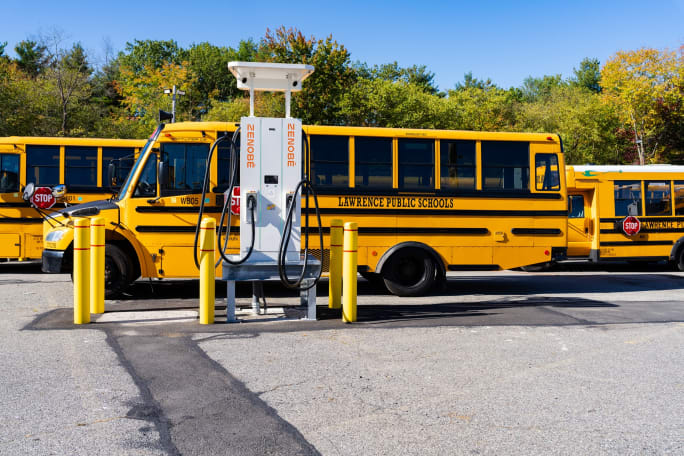
The fleet additions consist of Thomas Built Buses Type C Jouleys and Micro Bird Type A minibuses.
Photo: Zenobē
All vehicles were placed in service for the current 2025-25 school year.
More Alternative Fuels

CALSTART and Forth Combine to Form Catalyst Mobility
The new name represents a renewed vision for the nonprofit focused on advancing clean, equitable, and affordable transportation solutions that move people and goods.
Read More →
Alt-Fuel Moves: New Buses, Charging Hubs & Real-World EV Testing
Propane and electric school bus deployments continue to grow as districts add new vehicles, expand charging infrastructure, and gather more real-world operating data.
Read More →
Fewer Electric School Bus Models Reshape the U.S. Market
WRI’s latest buyer’s guide points to a consolidating electric school bus market, but fewer options may reflect a maturing industry rather than fewer meaningful choices for school bus operators.
Read More →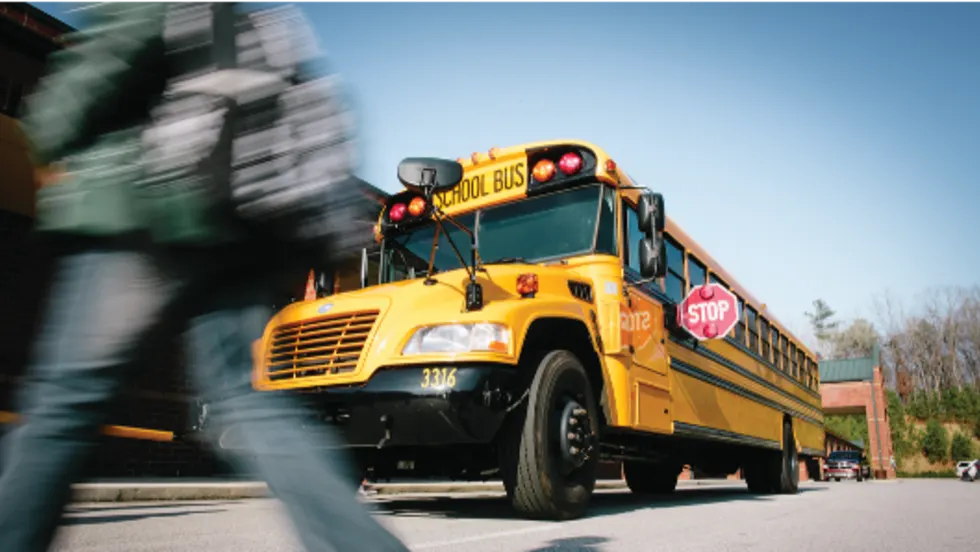
The Fuel Budget You Can Actually Predict: How Propane Autogas Keeps Money in the Classroom
Learn how propane autogas helps school districts manage fuel costs with predictable pricing, lower maintenance, and reduced emissions from former transportation director Joel Stutheit.
Read More →
Hendrickson, Driventic Introduce New Electric Powertrain for School Buses
ELECTRAAX, the electrified, lightweight drive axle offers integrated ePowertrain efficiency and modular flexibility for Class 6–7 school bus use.
Read More →
The Mobility House Joins PowerFlex in Fleet Electrification Deal
The acquisition combines intelligent charging software, bidirectional charging expertise, and fleet electrification services to support the growing adoption of electric school buses across North America.
Read More →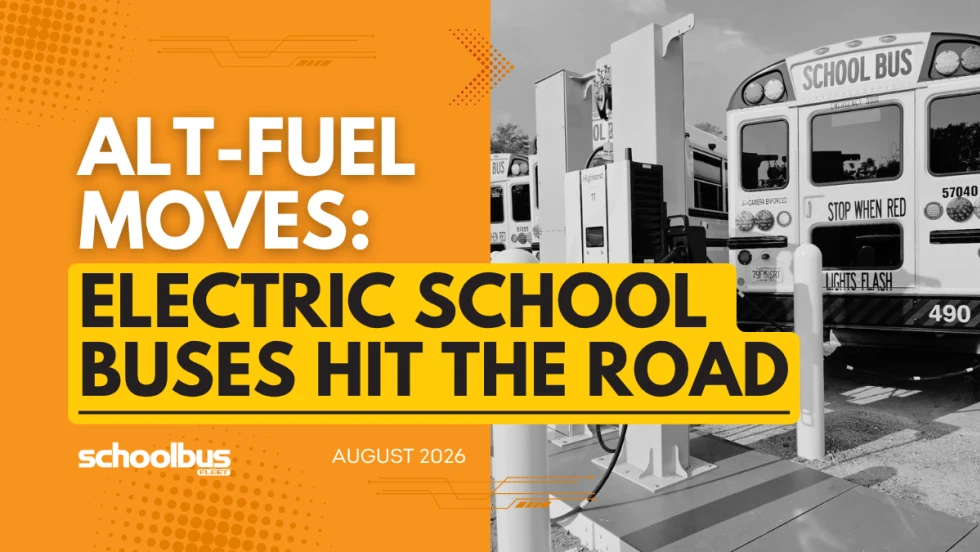
Alt-Fuel Moves: Electric School Bus Investments Hit the Road
See which districts across the U.S. are putting electric school buses into service, expanding charging infrastructure, and planning the next phase of fleet electrification.
Read More →
With Fuel Volatility Ahead, School Districts Turn to Propane
While diesel prices peaked above $5 this spring, districts with propane autogas-powered fleets paid under $2 per gallon, according to PERC.
Read More →
EPA Unveils Proposed Changes to 2027 Heavy-Duty Engine Rules
The federal agency has proposed changes to next year’s targets that would eliminate DEF derates, ease warranty requirements, and retain current NOx emissions standards.
Read More →
Alt-Fuel Moves: EV Charging & Infrastructure Projects Gain Momentum
The latest developments include new funding, charging infrastructure, utility investments, and fleet technologies designed to support the transition to electric school buses nationwide.
Read More →