





Don't miss the list of the top school districts, our companion article to this post! Read The Largest School Bus Fleets in America: 2025 Rankings.
Cleaner Fuels, Higher Wages, and More Tech: 2025 School District Survey
Pupil transportation is an industry in transition — with alt-fuel adoption growing, strong tech integration, (slightly) less short staffing, and renewed focus on safety. More in SBF's latest annual K-12 public school district survey.
October 27, 2025
In the background here, elementary students with their bus driver at Starr Elementary during dismissal.
Photo: Dylan McCullough Anderson District 3 (S.C.)/School Bus Fleet
4 min to read
While growth is the name of the game, according to this year’s district survey respondents, operational pressures rise as the federal landscape shifts and complex challenges emerge in the new reality. If last year’s survey hinted at transformation, 2025 confirms it.
Amid cost pressures, safety concerns, and shifting student needs, district leaders find balance between optimism and challenges across the entire transportation ecosystem.
As many districts grapple with the driver shortage, many also experienced growth.
Gwinnett County’s Charley Humble notes his district’s fortune in being fully staffed since fall 2021. “A significant reason for that success is our ability to offer more hours to our drivers through the four-tier system we operate,” he said. “Year-round, grassroots recruiting also plays a critical role in maintaining our staffing levels. While we haven’t faced a district-wide shortage, we continue to navigate challenges related to driver retention, largely due to a highly competitive job market … and the rising cost of living.”
As the largest district, Humble also is grateful for the ability deploy tech. “Tools like GPS tracking, dash and stop-arm cameras, enhance safety and accountability, allowing our team to operate efficiently and safely at a scale few districts ever experience,” he said.
But that doesn’t mean there aren’t hurdles. “Factors beyond our control, such as ever-increasing traffic congestion in the metro area, can impact daily routes,” he added.
Despite many districts purchasing new buses, Orange County holds on to its extra buses pre-COVID in hopes of gaining new drivers. Director Bill Wen plans to begin the surplus process for the oldest to reduce its fleet and keep an appropriate spare ratio.
New challenges emerged this year, too. Sam Ellis, Baldwin County Schools’ transportation coordinator, said they are extremely concerned about tariffs. “The cost of our buses has doubled in the last 10 years, but state funding for fleet renewal has remained stagnant. Last school year was the first year in which our district had to cover the majority of the cost for purchasing new buses.”
Beaverton School District’sCraig Beaver echoed the sentiment. “We’ve already seen price increases of $6,000 to $17,000 per bus on EV and propane units that were ordered as early as the beginning of 2025,” he said. “Rising costs for steel, aluminum, and other key materials — driven by tariffs — are impacting all OEMs and powertrain types, and those cost increases ultimately affect our ability to modernize and expand our fleet.”
5 Takeaways from School Bus Fleet’s Survey Data
- Alt-Fuel Adoption Surges: Both propane and electric school buses saw the largest year-over-year gains ever this year, with usage tripling and doubling, respectively. New diesel purchases were unchanged from last year, but its dominance is dropping in overall fleet makeup.
- Buying On the Rise: 73% of districts purchased new buses for this school year, up from 57% last year and returning to 2023 levels.
- Driver Pay Grows; UnionPresence Increases. Hourly pay for school bus drivers reached an average of $23.18 this year, marking five years of wage growth. But, the margin by which it grew slowed this year — just 1% growth from 2024 to 2025, versus 5–10% in earlier years. At the same time, for the first time, more drivers are unionized now than we’ve seen in recent years.
- Driver Shortage Remains, but Less Severe: Nearly half of districts are feeling a mild shortage of drivers, while 17% said theirs was severe — and none described the situation as desperate, a first in years.
- App Adoption Grows: Use of rider-tracking and parent apps jumped to 68%, nearly doubling in two years and suggesting a broader shift toward modernized software solutions to streamline transparency and efficiency.
Note: All data presented was compiled and averaged from qualified survey respondents representing transportation officials at public school districts in the U.S. between August and October 2025. To see your voice represented in these results next year, watch for announcements about 2026 survey dates and share your insight to help us identify challenges, opportunities, and report on the state of school district transportation operations.
2025 Survey Results & District Trends
- Median No. of Buses Per District: 204.5
- Average No. of Bus Drivers Per District: 224, and a median of 91 drivers.
- Average % of Buses Used in Daily Routes: 73%
- Average % of Buses Operated by Contractors: 9%
- Average Student Passengers Per District: 13,226
- Average Annual Route Miles Driven: 3 Million
- Transportation Director Median Salary: $98,450
- Altered Bell Schedules Due to the Shortage: More (31%) districts this year modified school start times to accommodate a driver shortage: last year, 83% answered no (69% this year).
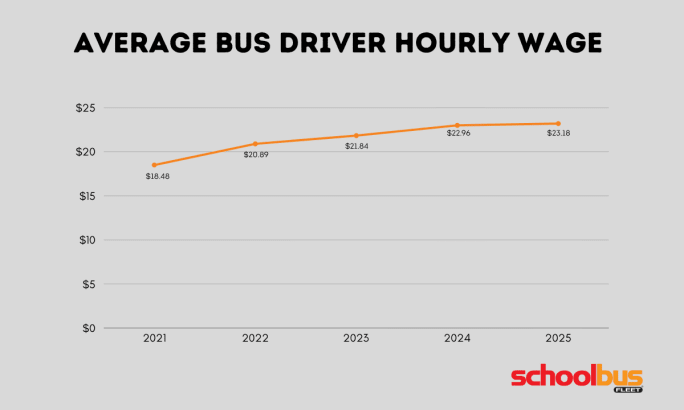
Pay continues to rise, albeit at a slower rate compared to previous years. Also, 68% of survey respondents reported offering higher pay compared to last year; 32% offered the same; none lowered it.
Source: School Bus Fleet
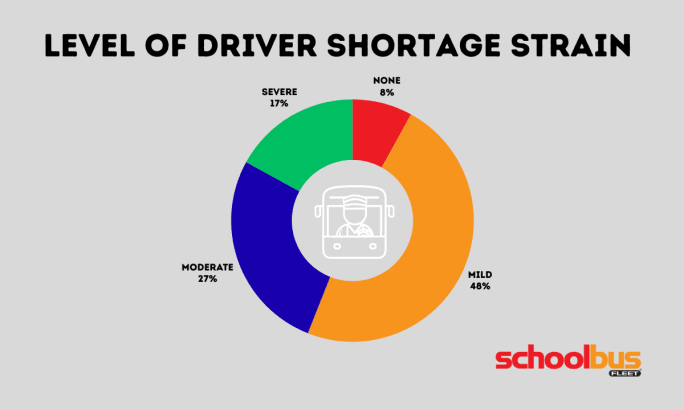
This year, fewer districts claimed no shortage compared to last year. While many more said the shortage was mild, this year none said they felt desperate.
Source: School Bus Fleet
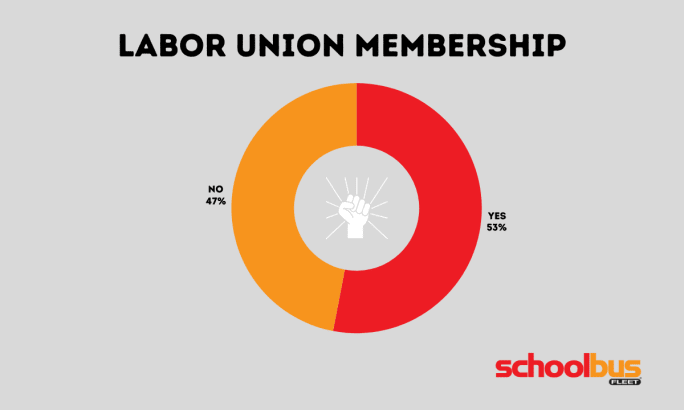
The scales tipped this year for drivers in unions; responses reversed from last year, with over half now saying ‘No’ compared to 47% in 2024.
Source: School Bus Fleet
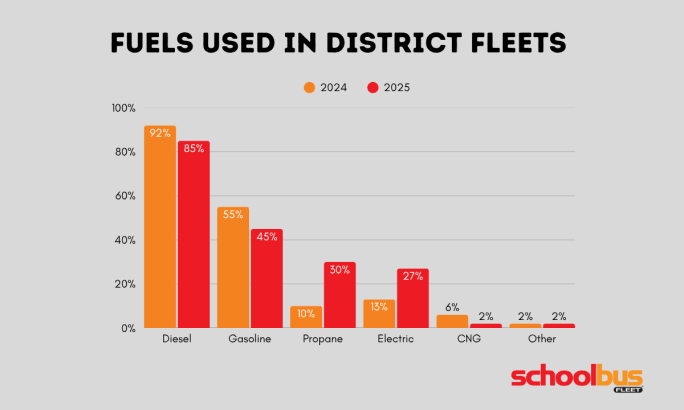
Diesel, gasoline, and CNG buses lost ground as more fleets adopted cleaner fuels like propane, electric, and biodiesel. Propane saw its largest year-over-year increase yet — a 200% gain.
Source: School Bus Fleet
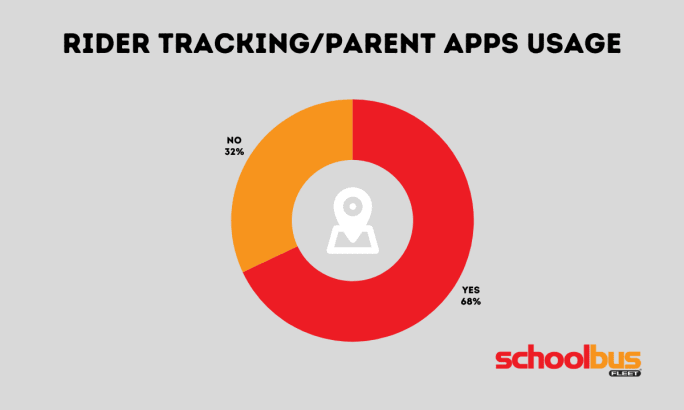
Last year, 48% of responding districts used smartphone applications to track buses and riders, up from 39% in 2023.
Source: School Bus Fleet
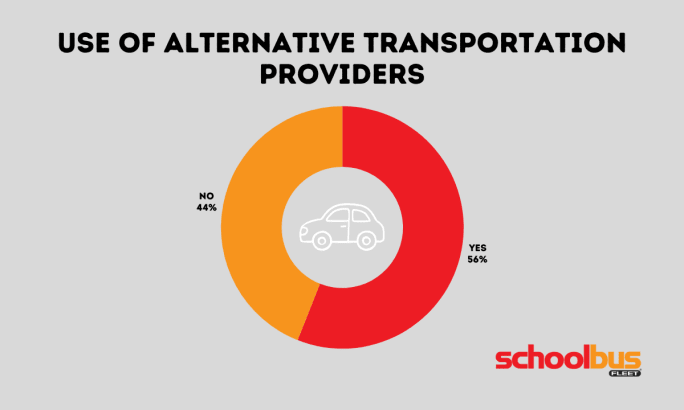
Just over half of districts work with providers such as EverDriven, HopSkipDrive, FirstAlt, or Pawar. A new survey question this year, so no trendline to draw — yet.
Source: School Bus Fleet
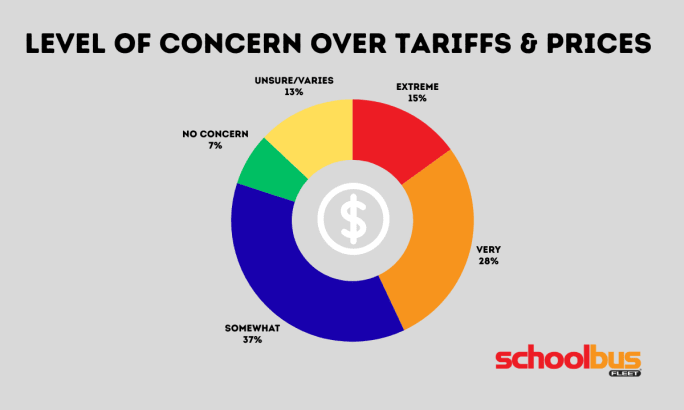
Over three-quarters of respondents felt some degree of concern over the price of imported materials and how it impacts their own budgets.
Source: School Bus Fleet
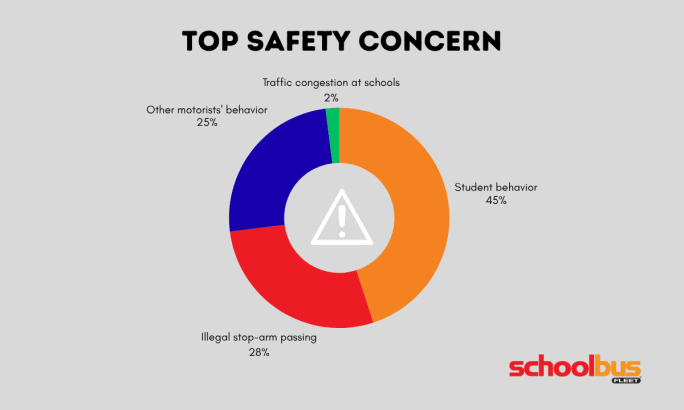
Nearly half of responding districts are most concerned about student behavior, with illegal passing coming in second.
Source: School Bus Fleet
Subscribe to Our Newsletter
More Management

How to Build a Better Driver Training Program
Ready to boost up your school bus instructor training? Here’s how to pick the right talent and improve recruitment, retention, and safety.
Read More →
CALSTART and Forth Combine to Form Catalyst Mobility
The new name represents a renewed vision for the nonprofit focused on advancing clean, equitable, and affordable transportation solutions that move people and goods.
Read More →
What Makes a Great School Bus Driver Trainer?
Choosing the right school bus driver trainer takes more than experience. Learn six keys to selecting and developing trainers and evaluating program effectiveness.
Read More →


School Bus Contractors Expand Through New Deals, Acquisitions & Partnerships
STA's Canadian division acquires Ontario-based G&L Stevenson Transport while Durham School Services adds a new district contract in California, First Student adds a New Jersey contract, and Minnesota Coaches acquires Halo Transportation.
Read More →
Logan Bus Company Rolls Out AI Phone System for NYC School Bus Families
A summer pilot found that AI agents could handle most routine calls, freeing up time for customer service staff to focus on emergencies and complex family concerns.
Read More →
From Intent to Impact: What I Learned About Leadership from TAPT
A Texas transportation supervisor shares lessons on self-awareness, accountability, managing stress and building trust — and why investing in leadership development matters at every stage of your career.
Read More →
NAPT Names 2026 Award Recipients, Hall of Fame Inductee
Who earned national recognition for their work in student transportation? This year, NAPT named five recipients of its 2026 awards for service, safety, and leadership, plus its newest Hall of Famer.
Read More →
Sponsored•September 2, 2026
2026 State of Student Transportation Report
Driver shortages. Rising costs. Growing safety expectations. More data, but not enough time to act on it. The 2026 State of Student Transportation Report reveals what transportation leaders say is putting the most pressure on their operations—and where they’re investing next. See how your priorities compare.
Read More →
How to De-Escalate an Angry Person: 5 Steps for Handling Workplace Conflict
What makes emotions run high, and how should you handle an angry colleague or parent? Follow these steps for staying calm, listening, showing empathy, and resolving conflict.
Read More →
Sponsored•September 1, 2026
What Readiness Looks Like This School Year
Learn about the challenges shaping the 2026–2027 school year, from persistent driver shortages and budget pressure to technology and readiness gaps. See how school districts are responding and adapting in Zonar’s 2026 Back-to-School Readiness Report.
Read More →