




Related: Driver Dilemma? How to Attract Younger Generations to the Yellow Bus
2025 Trend to Watch: Driver Shortage Coming to a Close?
Stats show the school bus driver shortage is lessening, but many districts still feel the pinch. Here's what's behind it.
by Staff
January 13, 2025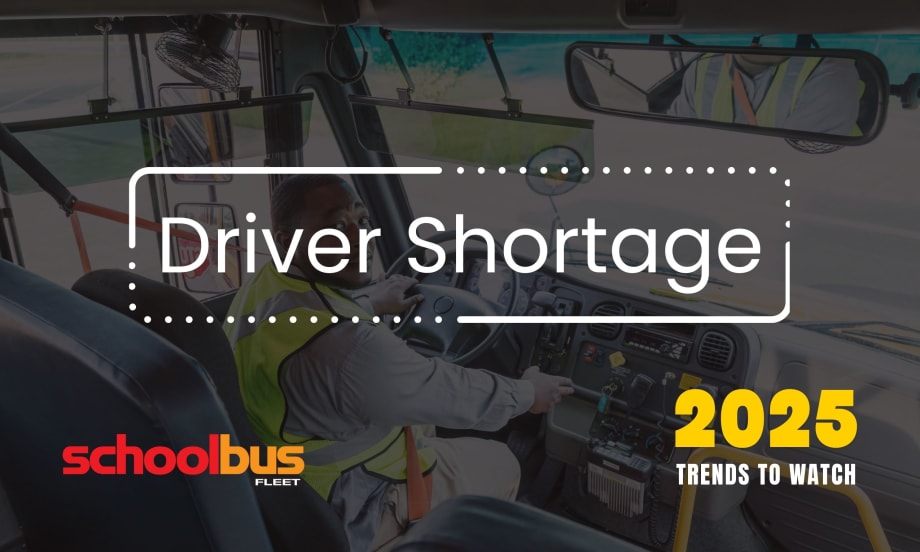
The rise in special needs transportation, district culture, and compensation, can all affect how many drivers are willing to get behind the wheel, CDL or not.
Photo: SBF/Canva
4 min to read
The nationwide bus driver shortage has been a topic of discussion for a while now, but some districts are starting to find solutions. Klein Independent School District in Texas implemented strategies that allowed it to avoid the effects of the shortage altogether.
Using aggressive hiring, recruiting, and retention strategies, Klein ISD maintained a steady team of drivers and kept its buses rolling. The key to its success was proactively focusing on engaging candidates, offering competitive pay, and providing a supportive work environment.
“We’ve invested in building a strong reputation as a district where drivers feel valued and supported,” said John Fergerson, transportation director at Klein ISD. “Our culture emphasizes teamwork, mutual respect, and providing drivers with the resources they need to succeed. By focusing on fostering a positive environment and offering meaningful recognition for their work, we’ve become a place drivers actively want to work. This reputation has been a cornerstone of our ability to attract and retain top talent.”
Many districts are focusing on increasing pay to attract drivers. While this may work in the short term, many factors can lead to retention issues. As time has progressed, the bus driver shortage is becoming less about bringing drivers onto staff and more about keeping them long-term.
Two of the biggest factors that drivers look at when deciding where to work are compensation and culture. Raising pay is easy enough on paper. However, schools often run on tight budgets that may not allow for the pay expectations to be met.
When it comes to a good work environment, maintaining a well-staffed team and providing scheduling flexibility that drivers with families are looking for is more challenging.
“When I first got here, we didn’t have any sub drivers,” said Teri Mapengo, director of transportation at the Prosper Independent School District in Texas. “The subs were maintaining a route, so I had to make them where they were just support drivers. That basically opened up other driver positions so we were able to hire more.”
Having enough drivers on staff to not only run all current routes on any given day, but also fill in in case someone calls out sick or needs a vacation can greatly help with maintaining a good work culture that appeals to drivers.
Another factor that can make a district more appealing to drivers is offering benefits.
“We have experienced the driver shortage, and I feel that we’re at the back side of it,” said Peggy Tesdahl, transportation supervisor for St. Francis Area Schools in Minnesota. “We have some tight days, but we have drivers. Last year was a different story; we would run routes late and double up, but that hasn’t happened yet this year. We’re close to what the contractors are offering, but we also have some benefits.”
The interest in becoming a bus driver is out there, and many districts are looking for retirees who may want a little extra cash to fill the role. Due to schools being out for the summer, retired individuals can take shifts during the school year while enjoying the outdoors when the weather is nice.
While there may be interested drivers out there, making sure they are prepared to fill the role they signed up for is crucial to keeping them on staff.
“I think we are starting to see a break and getting more people interested in being bus drivers,” said Teena Mitchell, special needs transportation coordinator of Greenville County Schools in South Carolina. “The big thing right now is training. How do we train our bus drivers and our bus attendants to be able to transport students with disabilities and to recognize their needs?”
The rise of special needs students in the U.S. is likely a result of better medical research into areas such as behavioral health and mental health. However, with more and more students being put on individual education plans, bus drivers have more to consider while on their routes.
Beyond these more unique circumstances, providing professional development for drivers in general can give them opportunities to enhance their skills and grow in their profession. Keeping drivers prepared for situations they may encounter inside and outside of the bus can go a long way to helping them feel confident in their role.
We are finally starting to see a light at the end of the tunnel when it comes to the bus driver shortage. The question is, will districts be able to retain the drivers who are interested, or will circumstances pull them out from behind the wheel?
Editor's Note: This article is part of our 2025 trends analysis exploring key issues to watch this year, from telematics to safety, alt fuels, the driver shortage, and school bus ridership.
Check out the other articles in this series:
Subscribe to Our Newsletter
More Management

How to Build a Better Driver Training Program
Ready to boost up your school bus instructor training? Here’s how to pick the right talent and improve recruitment, retention, and safety.
Read More →
CALSTART and Forth Combine to Form Catalyst Mobility
The new name represents a renewed vision for the nonprofit focused on advancing clean, equitable, and affordable transportation solutions that move people and goods.
Read More →
What Makes a Great School Bus Driver Trainer?
Choosing the right school bus driver trainer takes more than experience. Learn six keys to selecting and developing trainers and evaluating program effectiveness.
Read More →


School Bus Contractors Expand Through New Deals, Acquisitions & Partnerships
STA's Canadian division acquires Ontario-based G&L Stevenson Transport while Durham School Services adds a new district contract in California, First Student adds a New Jersey contract, and Minnesota Coaches acquires Halo Transportation.
Read More →
Logan Bus Company Rolls Out AI Phone System for NYC School Bus Families
A summer pilot found that AI agents could handle most routine calls, freeing up time for customer service staff to focus on emergencies and complex family concerns.
Read More →
From Intent to Impact: What I Learned About Leadership from TAPT
A Texas transportation supervisor shares lessons on self-awareness, accountability, managing stress and building trust — and why investing in leadership development matters at every stage of your career.
Read More →
NAPT Names 2026 Award Recipients, Hall of Fame Inductee
Who earned national recognition for their work in student transportation? This year, NAPT named five recipients of its 2026 awards for service, safety, and leadership, plus its newest Hall of Famer.
Read More →
Sponsored•September 2, 2026
2026 State of Student Transportation Report
Driver shortages. Rising costs. Growing safety expectations. More data, but not enough time to act on it. The 2026 State of Student Transportation Report reveals what transportation leaders say is putting the most pressure on their operations—and where they’re investing next. See how your priorities compare.
Read More →
How to De-Escalate an Angry Person: 5 Steps for Handling Workplace Conflict
What makes emotions run high, and how should you handle an angry colleague or parent? Follow these steps for staying calm, listening, showing empathy, and resolving conflict.
Read More →
Sponsored•September 1, 2026
What Readiness Looks Like This School Year
Learn about the challenges shaping the 2026–2027 school year, from persistent driver shortages and budget pressure to technology and readiness gaps. See how school districts are responding and adapting in Zonar’s 2026 Back-to-School Readiness Report.
Read More →